
Ceramides
INCI: ceramide AP, ceramide EOP, ceramide NG, ceramide NP, ceramide NS, phytosphingosine, sphingosine
Reviewed by Daisy · Last updated 5 Aug 2026
Also known as: ceramide AP, ceramide EOP, ceramide NG, ceramide NP, ceramide NS, phytosphingosine, sphingosine
The lipids that hold the skin barrier together
Best For Skin Types
All skin types
Effective Concentrations
Usually well under 1%. The ratio with cholesterol and fatty acids matters far more than the percentage.
Usage Frequency
As directed on product packaging
EWG Safety Score
Ceramides products at Skintique
View all →

What Is Ceramides?
Ceramides are a family of lipids that make up a large share of the skin’s outermost layer. The usual way of picturing that layer is as a brick wall: the dead but structurally important skin cells are the bricks, and a mixture of ceramides, cholesterol and free fatty acids is the mortar between them. Ceramides are roughly half of that mortar, and without enough of them the wall leaks.
They are not one ingredient but a group. On an ingredients list you will see specific members named, such as Ceramide NP, Ceramide AP, Ceramide EOP and Ceramide NG, and often supporting compounds such as Phytosphingosine and Sphingosine, which the skin can use as building blocks. Older labels used a numbering system, so Ceramide 3 and Ceramide NP are the same thing.
Levels fall with age, with sun exposure, in cold and dry weather, and with over-washing or over-exfoliating. Skin that is short of ceramides tends to feel tight, look dull and flaky, sting when products are applied, and lose water quickly. That combination is what people usually mean when they describe a damaged barrier.
Ceramides in skincare are typically produced synthetically or by fermentation, and are used at low percentages, often well under 1%. This is not a case where more is better: what matters far more is that they appear alongside cholesterol and fatty acids in a sensible ratio, because the skin uses all three together.
They appear mainly in moisturisers, barrier creams, balms and cleansers designed for dry or reactive skin, and increasingly as a supporting element in products built around stronger actives.
How It Works
The role of the ceramide layer is to keep water in and keep irritants out. It is a physical seal rather than an active process. When that seal is intact, water leaves the skin only slowly, and the substances skin meets during the day mostly stay on the outside. When it is depleted, water escapes faster and irritants find their way in more easily, which is why a compromised barrier produces dryness and reactivity at the same time.
Applying ceramides works on two levels. The immediate effect is straightforward replacement: they slot into the gaps in the existing lipid structure and help re-form the seal, so water loss slows and skin feels less tight fairly quickly. The second effect is slower and more interesting. Supplying ceramides and their precursors appears to support the skin’s own lipid production, so over time the barrier is better able to maintain itself rather than depending on what is applied.
The ratio point matters here. Research on barrier repair consistently indicates that ceramides work best alongside cholesterol and free fatty acids, in a proportion that resembles the skin’s own. A product delivering all three tends to outperform one delivering ceramides alone, which is why well-designed barrier creams read as a short list of lipids rather than a single headline ingredient.
Because none of this involves stimulating or exfoliating anything, ceramides carry essentially no adjustment period, and they suit every skin type, including oily skin, where barrier damage is common but often mistaken for something else.
Clinical Evidence & References
- International Journal of Toxicology, 2020, pages 5S-25S
- Biochimica et Biophysica Acta, October 2014, pages 2473-2483
- Journal of the American Academy of Dermatology, July 2014, pages 177-184
- Journal of Lipid Research, July 2008, pages 1,466-1,476
- Journal of Lipid Research, September 2007, pages 1936-1943
- American Journal of Clinical Dermatology, Volume 4, 2003, pages 107-129
- Journal of Investigative Dermatology, November 2001, pages 1,126-1,136
- Skin Pharmacology and Applied Skin Physiology, September-October 2001, pages 261-271
Published Research
-
Ceramides and Skin Function American Journal of Clinical Dermatology, 2017
-
The role of ceramides in skin barrier function Journal of Lipid Research, 2008
How to Use
Ceramides are a supporting ingredient rather than a treatment, and they are most useful when everything else in the routine is being demanding.
- Format matters more than percentage. Look for them in a moisturiser, cream or balm that stays on the skin, not in a cleanser that is rinsed away in thirty seconds.
- Look for the company they keep. Cholesterol and fatty acids alongside the ceramides, and supporting ingredients such as phytosphingosine, indicate a formula built around barrier repair rather than a single name on the front.
- When: morning and night, as often as you like. There is no tolerance to build and no reason to take breaks.
- Order in the routine: towards the end. Ceramide creams go after watery serums and actives, and before any facial oil or SPF.
- Pairs well with: everything, and particularly with retinoids, exfoliating acids and vitamin C, where they make the adjustment period considerably easier.
- Use them as the recovery step. If skin is stinging, tight or flaking after over-exfoliating, pausing the actives and using a ceramide cream twice daily for a week or two is the standard way back.
- Oily skin included. Oil and barrier lipids are not the same thing, and oily skin can be barrier-damaged. Choose a lighter ceramide lotion rather than skipping them.
- Apply to slightly damp skin after cleansing to hold a little more water in.
Safety & Precautions
Frequently Asked Questions
From the Clinic
Not sure what your skin actually needs?
Two minutes, a few questions, and we’ll point you at what matters — no guesswork.
Take the skin quizRelated Ingredients
Ceramide NG
A specific ceramide found naturally in skin that can be replicated as a cosmetic ingredient Works to improve skin’s barrier strength, hydration, and suppleness
Ceramide NP
Type of ceramide found in skin Reinforces skin’s barrier strength
Ceramide NS
Natural skin component that aids barrier strength Aides in improving skin’s texture and hydration
Cetearyl Behenate
A plant-derived wax ester that conditions and protects the skin barrier
Cetearyl Isononanoate
A lightweight emollient that conditions skin and hair without leaving residue
Cetyl Caprylate
A lightweight emollient that conditions and softens skin without heaviness
Articles About Ceramides
Learn more about this ingredient with our expert guides and articles.
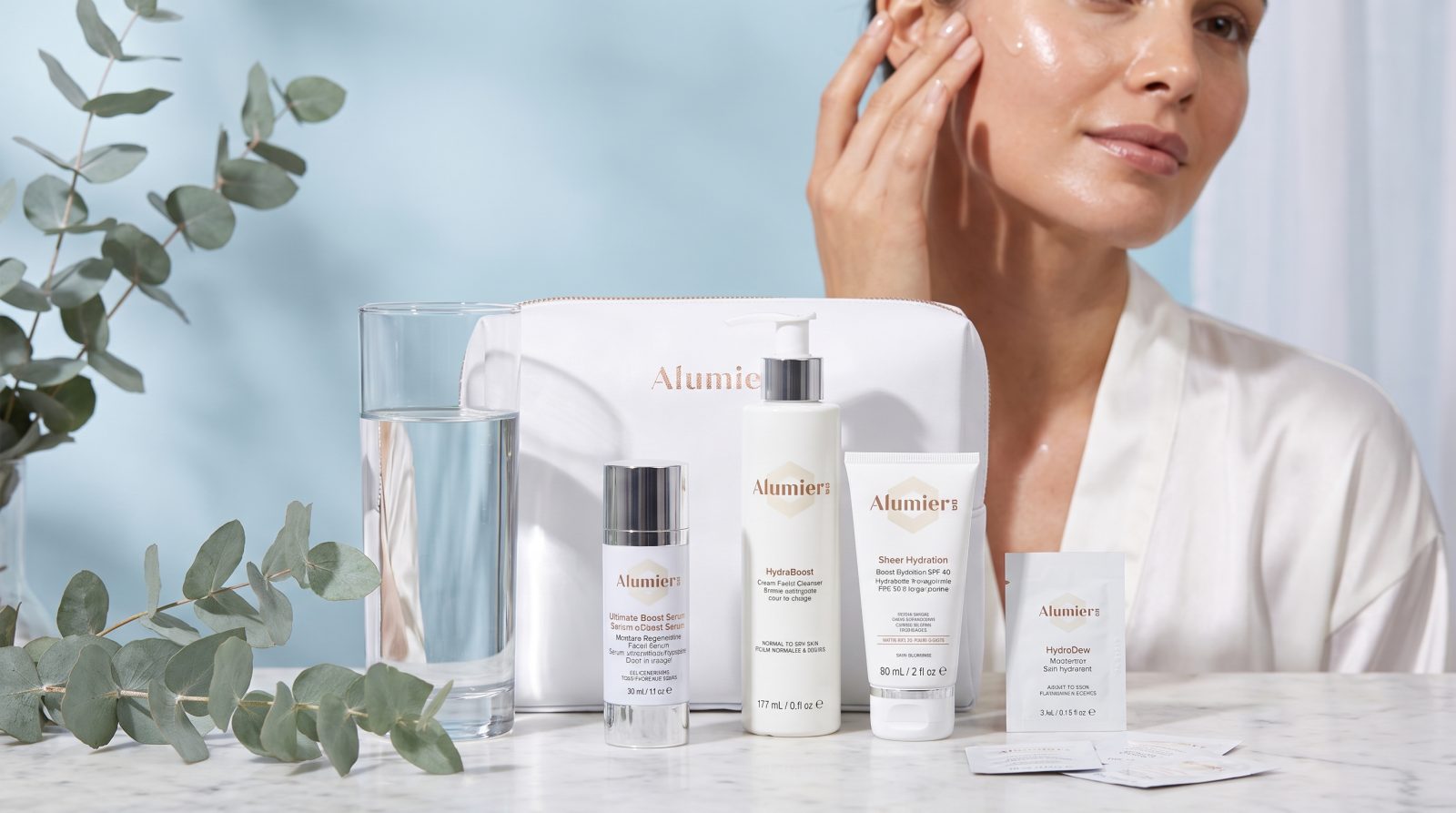
Best Serums for Dry Skin: A UK Buying Guide
Discover the best serums for dry skin — hyaluronic acid, ceramides & humectants explained, plus how to layer and seal for lasting hydration.
Read article
Dry Skin: How to Build the Right Routine (UK Guide)
Dry skin lacks oil, not just water. Learn how to spot it and build a simple AM/PM routine with humectants, ceramides and the right moisturiser.
Read article
The Skin Barrier: What It Is, Why It Breaks Down, and How to Fix It
Your skin barrier is mentioned in almost every skincare conversation — but it's rarely explained clearly. Understanding what it actually is, what damages it, and what genuinely helps it recover can transform the way you approach your routine.
Read article
The Art of Ingredient Layering
Master the art of layering skincare ingredients for maximum effectiveness. Learn the correct order and which ingredients to never combine.
Read article
Skincare Ingredients Decoded
Decode skincare ingredients with our comprehensive guide. Learn what each ingredient does and how to choose the right ones for your skin.
Read article
Midlife Skin Reset: How to Support Your Skin Through Change
Navigate the skin changes of midlife with expert guidance. Support your skin through hormonal transitions with the right ingredients and routines.
Read articleLearn More About Skincare Ingredients
Explore our comprehensive ingredient glossary to understand what's in your products.
Browse All IngredientsShop Our Products
Find professional skincare solutions at Skintique.