
Dryness & Dehydration
What's happening beneath dry, tight or flaky skin — and how to fix it
Reviewed by Kate · Last updated 20 Aug 2026
Signs Your Skin Is Dry or Dehydrated
If your skin feels tight, flaky or dull, you're dealing with one of two related but different problems: dryness or dehydration. Dryness is a skin type, caused by naturally low oil (sebum) production. Dehydration is a temporary condition caused by low water content, and it can affect any skin type, oily included. Both leave skin looking and feeling parched, but understanding which one you're facing changes how you fix it.
Dryness
A persistent lack of oil. Sebum production is naturally low, so the barrier has less lipid reinforcement. It tends to be a constant, all-over trait rather than a passing phase.
Dehydration
A temporary lack of water. Any skin type can be dehydrated, including oily skin, and it usually comes and goes with climate, habits and the products you use.
What's Actually Happening: The Barrier and Water Loss
Your skin's outer layer, the stratum corneum, works like a brick wall. Skin cells are the "bricks", held together by a lipid matrix of ceramides, cholesterol and fatty acids that acts as the "mortar". This structure does two jobs at once: it keeps irritants and pollutants out, and it keeps water in.
When that lipid mortar is thin or disrupted, whether from genetics, age or harsh products, water escapes through the skin faster than normal. This is known as trans-epidermal water loss (TEWL). Skin also relies on natural moisturising factors (NMFs), water-attracting compounds such as amino acids, urea and lactic acid within the cells themselves, to hold onto moisture from the inside. When NMF levels drop or TEWL rises, skin becomes tight, rough and more prone to visible fine lines, the classic surface signs of both dryness and dehydration.
- Lipids (ceramides, cholesterol, fatty acids) form the barrier that keeps water in
- Natural moisturising factors hold water inside skin cells
- Humectants draw water toward the surface, ready to be sealed in
What Causes Dryness and Dehydration
Genetics and skin type
Naturally low sebum output leaves less oil available to reinforce the barrier.
Age
Sebum production and NMF levels both decline over time, which is why skin often needs richer support as it matures.
Climate and environment
Cold air, wind, central heating and air conditioning all lower humidity and pull water from skin.
Over-cleansing or harsh actives
Sulphate-based cleansers, high-strength acids and alcohol-heavy toners strip lipids faster than skin can replace them.
Under-hydrating
Skipping humectant-rich products, or applying moisturiser without sealing it in, leaves water free to evaporate through the day.
How to Fix It: Replenish, Then Seal
The most effective approach layers two types of ingredient: humectants, which draw water into the skin, and occlusives or emollients, which seal that water in so it doesn't simply evaporate again. Applying a humectant serum to damp skin, then following with a richer moisturiser, gives skin the best chance of holding onto that moisture throughout the day.
- Cleanse gently — swap foaming, sulphate-based cleansers for cream or milk formulas that don't disrupt the lipid barrier.
- Layer thin to thick — humectant serum first on damp skin, then a moisturiser rich in barrier-supporting lipids.
- Go easy on actives — introduce retinoids and acids gradually, and reduce frequency while skin is compromised.
- Protect daily — daily sun protection helps guard against further barrier stress; look for a formula with added hydrators.
- Support the air around you — a humidifier in dry, centrally heated rooms reduces how much water your skin loses to the environment.
Best Ingredients for Dryness and Dehydration
These fall into three jobs: humectants that attract water, lipids that rebuild the barrier's "mortar", and emollients that smooth and soften. A good hydrating routine usually combines all three rather than relying on any single hero ingredient.
Hyaluronic Acid
Holds many times its weight in water; draws moisture into the upper layers of skin.
Glycerin
A time-tested humectant that binds water and helps keep the barrier supple.
Urea
A natural moisturising factor that hydrates and gently softens rough, flaky patches.
Panthenol
Provitamin B5 that attracts water and helps calm a stressed, tight-feeling barrier.
Ceramides
Rebuild the lipid "mortar" between skin cells, supporting a barrier that loses less water.
Squalane
A lightweight, skin-mimicking emollient that softens and helps limit evaporation.
Shea Butter
Fatty-acid-rich butter that seals in moisture; ideal for very dry patches.
Niacinamide
Supports barrier function and helps skin hold onto water; well tolerated by most.
Centella Asiatica
Calms and comforts skin that feels tight, sensitised or over-exposed to the elements.
Our glossary links each of these ingredients above — no need to memorise a long list, just look for products built around this replenish-then-seal principle.
A Hydrating Routine, Morning and Evening
Morning
- 1Gentle cream or milk cleanser (or just lukewarm water)
- 2Humectant serum on slightly damp skin
- 3Moisturiser rich in barrier-supporting lipids
- 4SPF 30+, ideally with added hydrators
Evening
- 1Gentle cleanser to remove SPF and the day's grime
- 2Humectant serum on damp skin
- 3Any actives, introduced gradually and less often while skin is compromised
- 4A richer night cream or emollient balm to seal everything in
Managing Dry, Dehydrated Skin Day-to-Day
Is dryness just how your skin behaves, day in, day out? If low oil production is a constant for you rather than a seasonal or temporary issue, you may have a dry skin type. See how to identify it and build a full routine on our dry skin type → page.
Want to understand hydration at a deeper level? See how humectants bind water, why trans-epidermal water loss happens, and how to layer for lasting hydration in our guide to hydration →.
Frequently Asked Questions
How do I know if my skin is dry or dehydrated?
Dryness is a lack of oil and tends to be constant and all-over, with flaking and rough patches. Dehydration is a lack of water and can affect any skin type — even oily skin that still feels tight underneath. If richer moisturisers help but the tightness returns quickly, dehydration is likely part of the picture.
Can oily skin be dehydrated?
Yes. Dehydration is about water content, not oil, so oily and combination skin can be dehydrated at the same time. In fact, over-stripping oily skin with harsh cleansers is a common cause of dehydration.
Why does hyaluronic acid sometimes make my skin feel tighter?
Humectants like hyaluronic acid draw water from wherever they can find it. In very dry air they can pull moisture from deeper in the skin rather than from the environment. Apply them to damp skin and always seal with a moisturiser on top so the water they attract stays put.
Does drinking more water fix dehydrated skin?
Staying hydrated supports overall skin health, but on its own it rarely resolves surface dehydration. The bigger levers are limiting trans-epidermal water loss with a supported barrier and layering humectants under an occlusive or emollient.
Can I still use retinol or acids if my skin is dry?
Usually yes, but introduce them gradually and reduce how often you use them while skin feels tight or flaky. Buffer with moisturiser, keep the rest of your routine gentle, and build frequency back up once the barrier feels comfortable again.
Why is my skin drier in winter?
Cold outdoor air, wind and indoor central heating all lower humidity, which raises how much water your skin loses to the environment. Switching to a richer moisturiser and running a humidifier indoors both help offset the seasonal shift.
In this guide
Short, practical reads on Dryness & Dehydration — tap any topic for the full guide.

Signs Your Skin Is Dehydrated (and What to Do)
Dehydrated skin lacks water, not oil — and any skin type can have it. The tell-tale signs, the causes, and how to restore a healthy glow.
Read the guide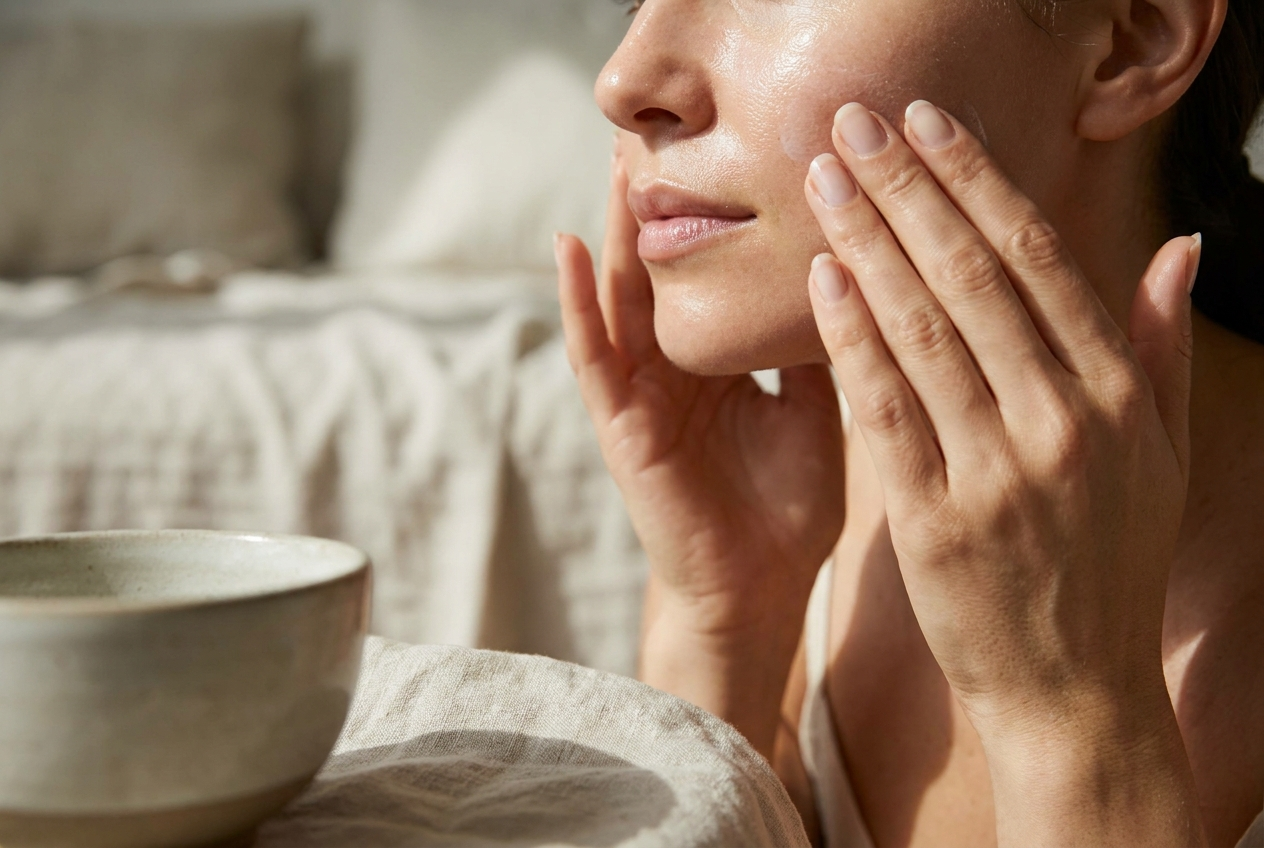
How to Fix Dehydrated Skin: Best Ingredients and Routine (UK)
How to fix dehydrated skin: humectants to draw water in, moisturiser and ceramides to seal it, and gentle cleansing. A simple, effective routine.
Read the guide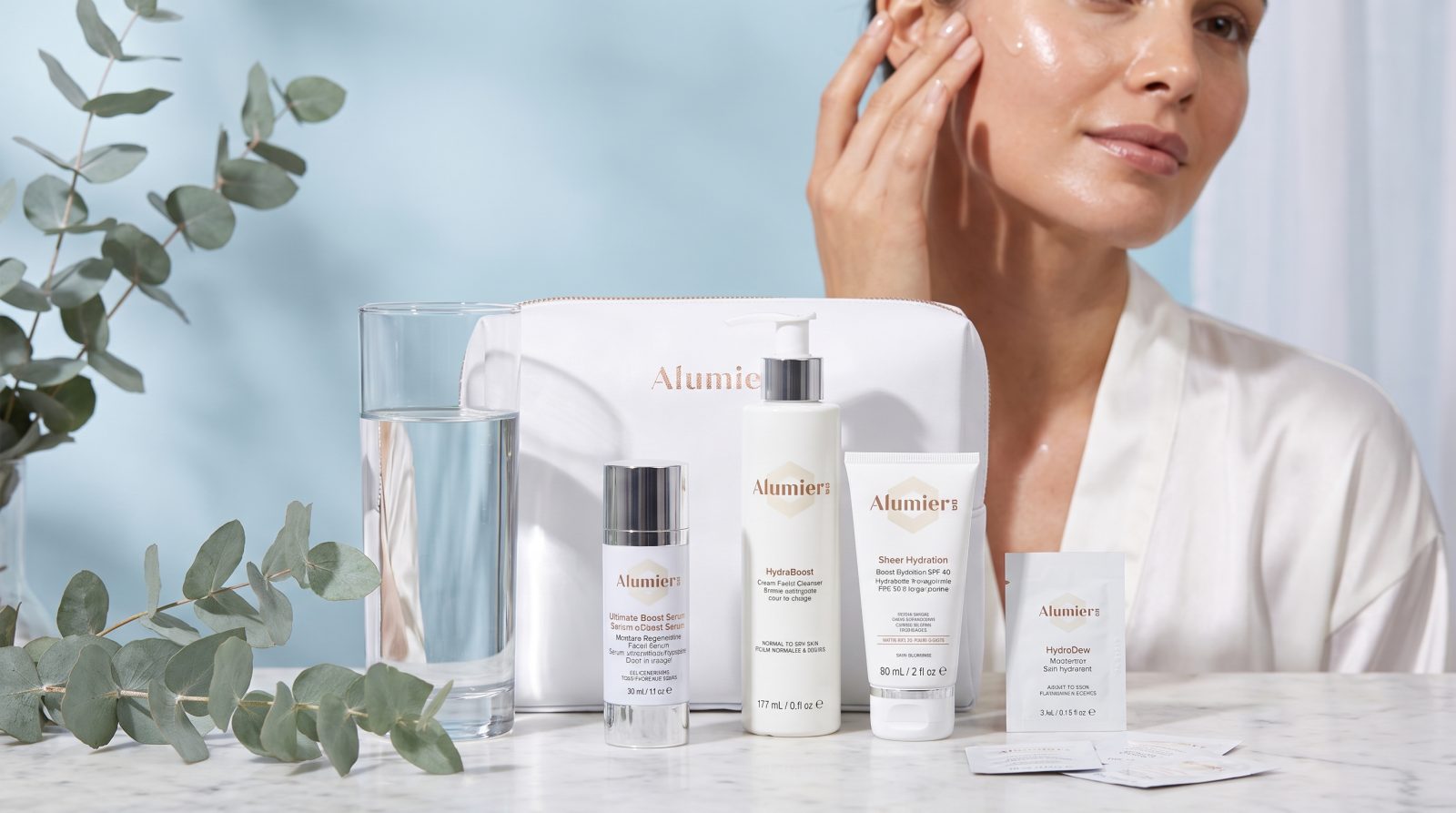
Best Serums for Dry Skin: A UK Buying Guide
Discover the best serums for dry skin — hyaluronic acid, ceramides & humectants explained, plus how to layer and seal for lasting hydration.
Read the guide
Managing Dryness and Dehydration
Understand the crucial difference between dry and dehydrated skin. Learn which ingredients and products address each condition for healthy, balanced skin.
Read the guideKey Ingredients for Dryness & Dehydration
The actives most worth knowing for this concern — tap any to read the full ingredient guide.
Not sure where to start?
Take our free skin type test to get routine and ingredient recommendations tailored to your skin.
Find Your Skin TypeNeed Personalised Advice?
Our skincare specialists can help you develop a treatment plan tailored to your specific needs.