
Pore Minimising
Reduce the look of large pores — what actually helps, and what will not.
Reviewed by Kate · Last updated 20 Aug 2026
Why Pores Look Enlarged
Quick answer: pores can't be closed or shrunk permanently — their size is largely genetic. But you can make them look far smaller by keeping them clear of oil and debris, supporting skin firmness, and protecting collagen. Salicylic acid, niacinamide, retinoids and daily SPF do the real work.
Few skin concerns are as widely misunderstood as pores. Walk down any high street and you'll find "pore-shrinking" toners, cold-water rinses and clay masks all promising to close pores for good. The honest truth, and the one worth starting from, is that pores are permanent openings in the skin and they don't have muscles to open or close. What changes is how visible they are — and that is genuinely within your control. This guide sets out why pores look larger than you'd like, which ingredients actually make a measurable difference to how they appear, and which popular myths are quietly wasting your time and money.
No — not permanently. Pores have no mechanism to open and shut, so anything promising to "close" them is describing a temporary effect at best. Cold water and ice can cause a brief tightening of the surrounding skin, and some primers fill pores optically for a few hours, but neither changes the pore itself.
What you can change is how full, how clear and how well-supported each pore is. A pore emptied of its plug and sitting in firm, well-protected skin looks dramatically smaller than the same pore congested and surrounded by slack skin. That distinction — appearance, not anatomy — is the entire game, and it's a winnable one.
Why Do Pores Look Enlarged?
Pores look larger for three main reasons, and usually it's a combination of them. Understanding which applies to you shapes the whole approach.
Oil
Each pore is the visible opening of a hair follicle connected to a sebaceous (oil) gland. When those glands are active — driven by genetics, hormones, heat or humidity — the pore fills and stretches around a plug of sebum and dead skin, making the opening look wider. This is why pores tend to look most prominent across the nose, inner cheeks and forehead, where oil glands are densest.
Skin firmness
Pores are held open partly by the collagen and elastin in the surrounding skin. As that support network softens with age and sun exposure, pores can appear to sag and elongate, taking on a teardrop rather than round shape.
Follicle size
Follicle size itself is largely inherited. Thicker, coarser skin and naturally larger follicles run in families, and no topical product changes that baseline.
Best Ingredients for Minimising Pores
A short list of well-evidenced ingredients does most of the heavy lifting. There is no need for a ten-step routine.
Salicylic Acid (BHA)
Oil-soluble, so it travels into the pore lining and helps dissolve the sebum and dead cells that widen the opening. Used a few times a week, it keeps pores clearer — often the single most visible improvement.
Niacinamide
Helps regulate how much oil the skin produces and supports the skin barrier, so pores fill more slowly and the skin around them looks smoother and more even.
Retinoids
Retinol and its relatives speed up cell turnover and, over months, support collagen — which helps firm the skin that holds pores open. This addresses the "firmness" cause rather than just the "oil" one.
Daily SPF
Ultraviolet exposure is a leading driver of the collagen breakdown that makes pores sag, so sunscreen helps prevent that loss and protects everything the other ingredients are building.
A Simple Pore-Minimising Routine
Morning
- Gentle cleanser (lukewarm, not hot, water)
- Niacinamide to regulate oil and even the skin
- Lightweight, non-comedogenic moisturiser
- Daily SPF 30+ to protect collagen
Evening
- Gentle cleanser to remove SPF and the day's debris
- Salicylic acid (BHA) a few times a week to keep pores clear
- Retinoid on alternate nights to support firmness over time
- Moisturiser to seal in hydration
Pore Myths to Ignore
Frequently Asked Questions
Are large pores caused by dirt?
No. Pores can look darker when a plug of sebum oxidises at the surface (a blackhead), but the pore itself isn't dirty. Over-washing to "clean" pores usually irritates the skin and can increase oiliness.
Does drinking more water shrink pores?
Hydration matters for overall skin health, but there's no evidence that drinking extra water changes pore size. Topical care and sun protection make far more difference to how pores look.
How long until I see a difference?
Expect gradual change. Salicylic acid can clear congestion within a few weeks, while niacinamide and retinoids typically need eight to twelve weeks of consistent use before firmness and evenness improve.
Can makeup make pores look worse?
Heavy, thick foundations can settle into pores and emphasise them, especially as the day goes on. A lighter base over a well-exfoliated, well-moisturised skin usually reads as smoother.
Do pores get bigger with age?
They can appear to, as collagen and elastin soften and the skin holding each pore loses firmness. Retinoids and diligent daily SPF are the most useful tools for slowing that shift.
Shop for pore care
Building a pore-focused routine is straightforward with the right actives. Start by keeping pores clear with our salicylic acid range, then help regulate oil and even the skin with niacinamide. To support firmness over time, explore our retinol and retinoid options and gentle exfoliation. If oiliness is your main trigger, our oily skin edit brings the most relevant formulas together.
Explore more
- What causes enlarged pores?
- How to minimise large pores: a step-by-step routine
- Pores vs blackheads vs congestion: what's the difference?
- How to control oil and large pores
- Solutions for oily skin and enlarged pores
Ready to shop? Browse our skincare for large pores.
In this guide
Short, practical reads on Pore Minimising — tap any topic for the full guide.
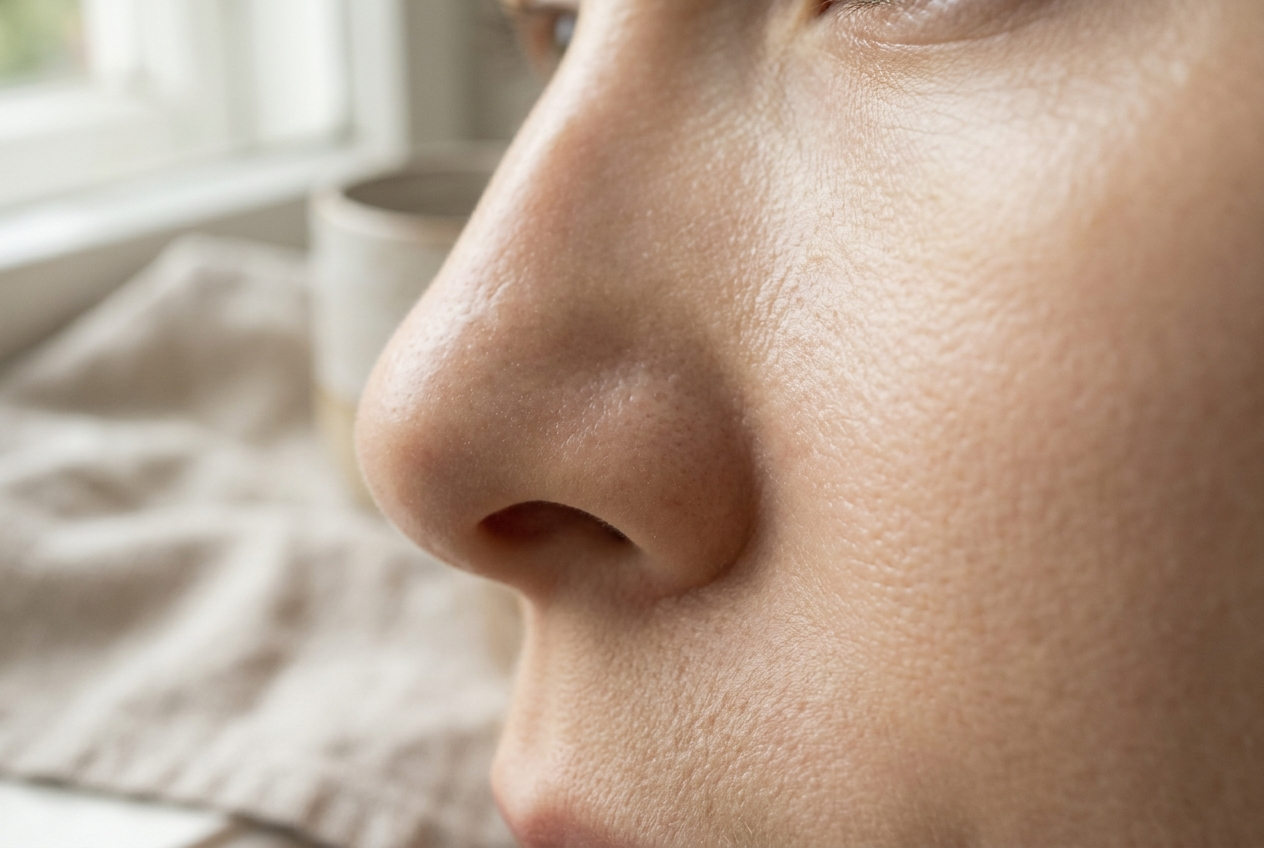
What Causes Enlarged Pores? (And What Actually Helps)
Pores look larger for three reasons: oil output, lost elasticity and follicle size. What genuinely reduces their appearance — and what will not.
Read the guide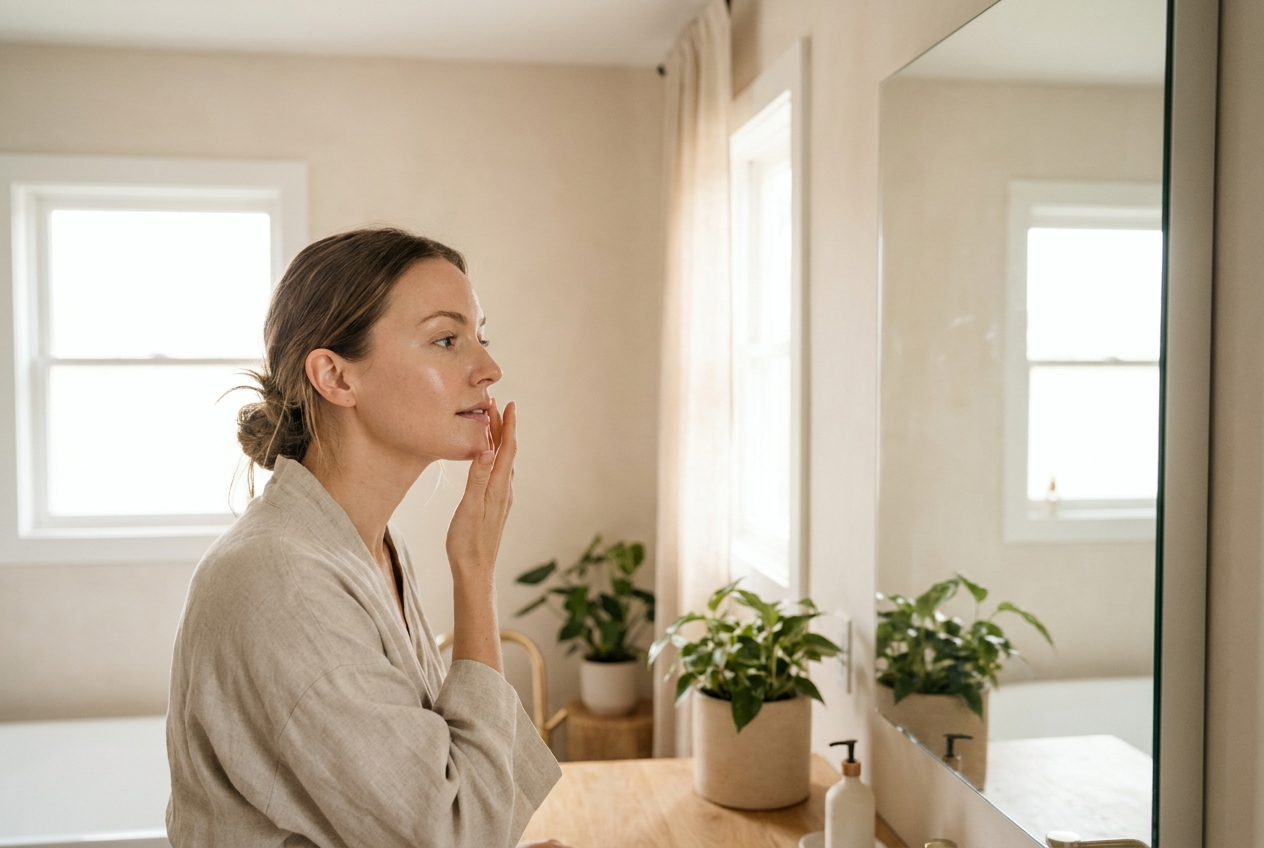
Pores vs Blackheads vs Congestion: How to Tell the Difference
Enlarged pores, blackheads and congestion look alike but need different care. How to tell them apart and treat each. A clear UK guide.
Read the guide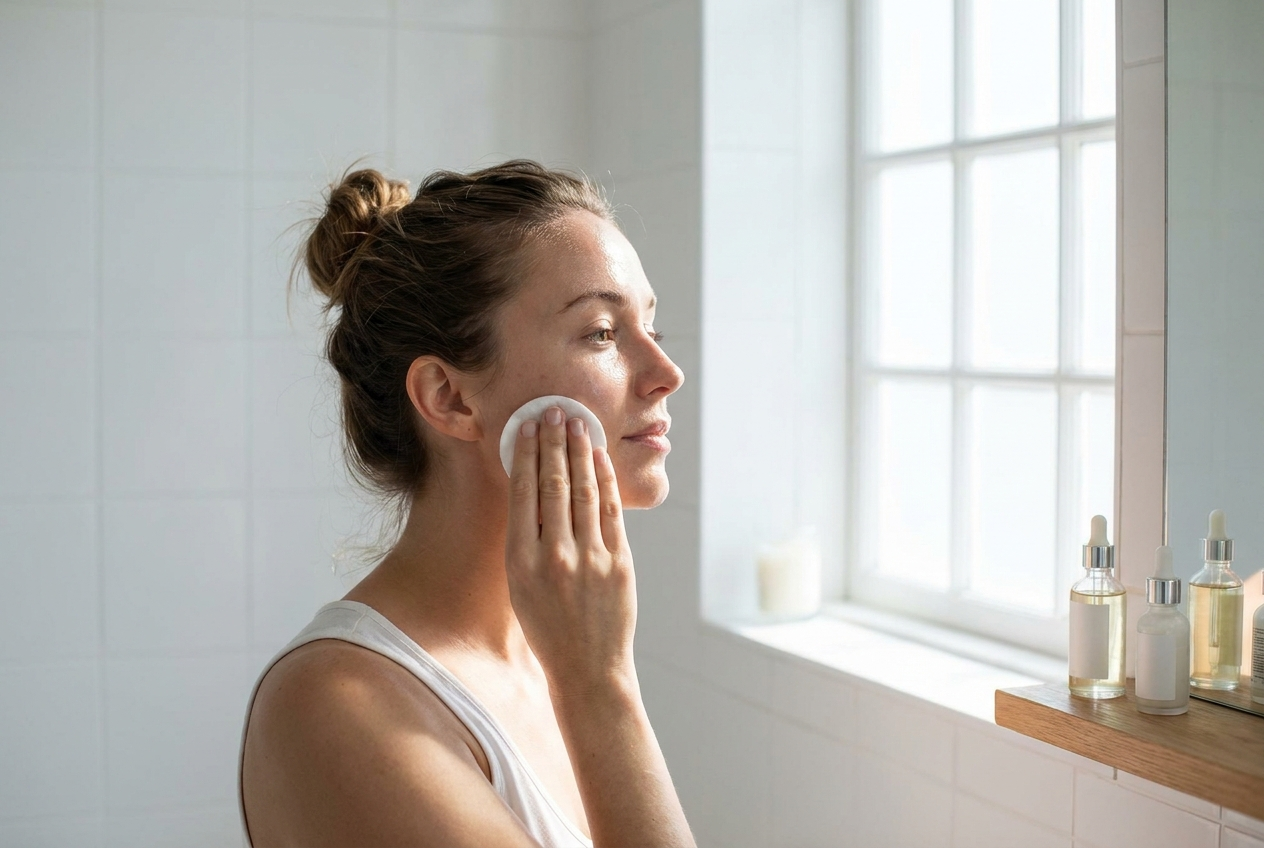
How to Minimise the Look of Large Pores: A Routine That Works
A calm, consistent routine genuinely reduces the look of large pores — salicylic acid, niacinamide, retinoids and daily SPF. How to build it.
Read the guide
The Best Ingredients for Minimising Pores
You can't shrink pores permanently, but niacinamide, salicylic acid and retinoids genuinely make them look smaller. The best ingredients and how to use them.
Read the guide
Blackheads on Your Nose: How to Clear Them for Good
What blackheads on the nose really are, why squeezing and pore strips don't work, and the gentle salicylic-acid routine that actually clears them.
Read the guideKey Ingredients for Pore Minimising
The actives most worth knowing for this concern — tap any to read the full ingredient guide.
Not sure where to start?
Take our free skin type test to get routine and ingredient recommendations tailored to your skin.
Find Your Skin TypeNeed Personalised Advice?
Our skincare specialists can help you develop a treatment plan tailored to your specific needs.