
Glycolic Acid
INCI: types of AHA
Reviewed by Kate · Last updated 14 Aug 2026
Also known as: types of AHA, AHA, Hydroxyacetic Acid
The smallest AHA, and the most researched
At a glance
Things to be aware of
Best For Skin Types
Normal to oily skin
Effective Concentrations
5–10% in most leave-on products. Clinic peels go considerably higher. pH matters as much as the percentage.
Usage Frequency
2-3x weekly, or nightly if tolerated
EWG Safety Score


What Is Glycolic Acid?
Glycolic acid is an alpha hydroxy acid, or AHA, originally derived from sugar cane though now almost always made synthetically. It is the smallest molecule in the AHA family, which is the fact that governs everything else about it: a smaller molecule passes through the surface of the skin more readily, so glycolic acid tends to work faster and more noticeably than its larger relatives, and to be less forgiving with it.
On an ingredients list it appears as Glycolic Acid. In over-the-counter products it usually sits between 5% and 10%, with some leave-on treatments going higher and professional peels considerably higher still. Two products at the same percentage can behave very differently depending on pH, since an AHA needs a reasonably low pH to be active, and on whether the acid is partly neutralised in the formula.
You will find it in toners, pads, leave-on serums, overnight treatments, cleansers and body lotions. Cleansers deliver comparatively little simply because the contact time is so short. It also appears widely in body products aimed at rough, dry-looking skin on the arms, legs and feet, where skin is thicker and tolerates it more easily than the face.
Of all the exfoliating acids it has the longest research history behind it, which is part of why it remains the default AHA in both retail products and clinic treatments.
It is also a humectant in its own right, which is a detail people often miss: alongside the exfoliation, it draws a little water into the skin, so a well-formulated glycolic product need not leave skin feeling stripped.
Benefits for Your Skin
How It Works
The outermost layer of skin is made of dead cells held together by bonds that normally break down on their own so the cells can shed. That process becomes slower and less even with age, with sun exposure and in dry conditions, and the result is skin that looks dull, rough and uneven, with makeup sitting poorly on top. Glycolic acid works by weakening those bonds so the surface sheds more evenly and more readily.
Because it is small enough to move through the surface efficiently, it does not stop at simple polishing. Consistent use appears to prompt activity in the deeper layers too, which is the basis of its long-standing association with the look of firmness and the appearance of fine lines, rather than just immediate smoothness. It also helps disperse the surface pigment that makes marks look defined, so tone gradually looks more even.
The trade-off is directly linked to the same property. Removing surface cells more quickly leaves skin temporarily more exposed, and glycolic acid is well known to increase sensitivity to daylight. It also stings more readily than gentler acids on skin that is dry or already compromised. Used sensibly, with sunscreen and without stacking other actives on top, that is manageable; used enthusiastically, it is the fastest route to an irritated barrier of any common cosmetic ingredient.
Clinical Evidence & References
Published Research
-
An updated review of the use of glycolic acid Journal of Clinical and Aesthetic Dermatology, 2019
-
Glycolic acid peeling as a treatment for acne Dermatologic Surgery, 1999
How to Use
Glycolic acid is effective and unsubtle. Restraint is what makes it work well.
- Start low: 5–7% is plenty to begin with. Move to 8–10% only once skin is clearly comfortable.
- Frequency: once or twice a week at first, building slowly. Very few people need it nightly, and nightly use is where most problems begin.
- When: evening, on clean, dry skin. Wait a minute or two before the next step.
- Order in the routine: after cleansing, before serums and moisturiser. If you use a leave-on toner form, it goes first.
- Pairs well with: niacinamide, hyaluronic acid, panthenol, ceramides and a good moisturiser. Barrier support makes a real difference to how comfortable it feels.
- Keep apart from: retinoids, vitamin C, benzoyl peroxide, other acids and any scrub. Alternate nights, and never layer acids to speed things up.
- SPF 30 or above every morning without exception. Glycolic acid increases sensitivity to daylight, and skipping sunscreen undoes the tone benefits entirely.
- Avoid the eye area and go carefully around the nostrils and mouth.
- Consider lactic acid instead if your skin is dry, thin or easily reddened. It does a similar job more gently.
- Stop if skin feels tight, shiny or stings with water. That is over-exfoliation. Rebuild with plain moisturiser before restarting.
Smoothness and radiance often appear within a couple of weeks; tone and fine lines take two to three months.
Safety & Precautions
Mild tingling or a brief warm sensation on application is common and usually settles as skin adjusts. Stinging that persists, burning, lingering redness, tightness or peeling means you are using it too often or at too high a strength — cut back rather than pushing through.
Glycolic acid makes skin more sensitive to sunlight, so daily broad-spectrum sunscreen is essential during use and for around a week afterwards.
Approach cautiously if your skin is very reactive or your barrier already feels compromised, and never apply to broken, sunburnt, freshly waxed or recently treated skin. A lower strength, or a larger AHA such as lactic or mandelic acid, may suit better. If you use prescription topicals, are pregnant or breastfeeding, or have a diagnosed skin condition, speak to a pharmacist, GP or dermatologist first. Always patch test on a small area before full-face use.
How widely it's used
Regulatory information
Standardised cosmetic-ingredient identifiers used by regulators.
Show identifiers
- INCI Name
- GLYCOLIC ACID
- EC Number
- 201-180-5
- Function
- Buffering
Frequently Asked Questions
From the Clinic
Not sure what your skin actually needs?
Two minutes, a few questions, and we’ll point you at what matters — no guesswork.
Take the skin quizOther forms of Glycolic Acid
These appear on ingredients lists under different names but are the same substance. Glycolic Acid is the common form.
Related Ingredients
Mixed Fruit Acid Complex
Multi-AHA blend for comprehensive exfoliation
Lactic Acid
A gentler AHA that exfoliates and hydrates at once
Mandelic Acid
The gentle brightener
Salicylic Acid
The oil-soluble acid that works inside the pore
Niacinamide
Vitamin B3, and one of the easiest actives to live with
Retinol
The gold standard anti-ageing ingredient
Articles About Glycolic Acid
Learn more about this ingredient with our expert guides and articles.
Jan Marini UK: The Complete Brand Guide
Your expert guide to Jan Marini in the UK: the science, hero products like Peptide Extreme and Hyla3D, and how to build a routine. Shop the range at Skintique.
Read article
UK Skincare Ingredient Trends 2026: What Britain Is Searching
We analysed UK Google search demand across skincare's key actives. Collagen still leads, azelaic acid has overtaken hyaluronic acid, and regenerative ingredients like polynucleotides are going mainstream.
Read article
NeoStrata UK: The Complete Brand Guide
NeoStrata UK guide: dermatologist-founded AHA and PHA resurfacing. Discover the hero products and shop the range at Skintique, an authorised UK stockist.
Read article
The Best Facial Cleansers UK: By Skin Type and Format
Cleanser shopping in the UK is really two decisions in one: which format suits your skin, and how gentle or active you need that format to be. The Skintique team breaks down gel, cream, foam, oil and exfoliating cleansers by skin type — and explains when double cleansing is genuinely worth the extra step.
Read article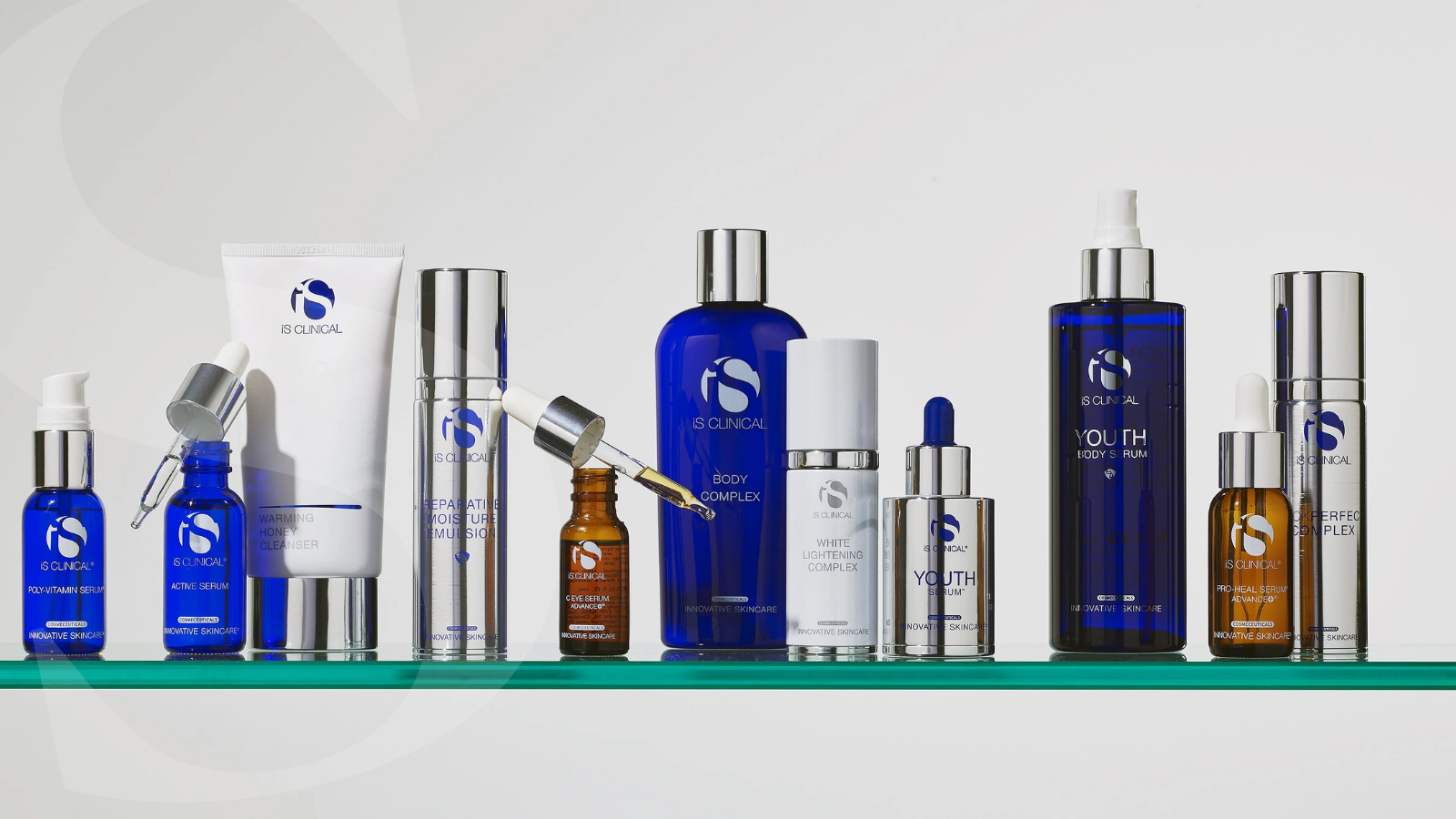
iS Clinical Explained: Science-Led Skincare
Discover iS Clinical’s unique blend of pharmaceutical actives and botanicals. Start your journey with science-backed formulas for transformative results.
Read article
AHAs and BHAs: What They Do, How They Differ, and Which One Your Skin Needs
Alpha hydroxy acids and beta hydroxy acids are two of the most effective categories of exfoliating ingredient available in professional skincare. They're often discussed together, but they work differently, suit different skin types, and shouldn't be chosen interchangeably.
Read articleLearn More About Skincare Ingredients
Explore our comprehensive ingredient glossary to understand what's in your products.
Browse All IngredientsShop Our Products
Find professional skincare solutions at Skintique.