
Acne Mastery Center
Complete guide to understanding and treating acne
Reviewed by Kate · Last updated 19 Aug 2026
Acne is one of the most common skin conditions affecting people of all ages, yet it remains widely misunderstood. This comprehensive guide draws on the latest skincare research to provide actionable insights for managing acne effectively.
Understanding Acne: Beyond the Surface
Acne vulgaris is a chronic inflammatory skin condition affecting the pilosebaceous unitsthe hair follicles and their associated sebaceous glands. While often dismissed as cosmetic, acne can have profound effects on self-esteem, mental health, and quality of life.
- Excess sebum production
- Abnormal keratinisation (skin cell turnover)
- Bacterial proliferation (Cutibacterium acnes)
- Inflammatory response
When sebaceous glands produce excessive oil, combined with dead skin cells that don't shed properly, the follicle becomes blocked. This creates an ideal environment for bacteria to multiply, triggering an inflammatory response.
Types of Acne Lesions
Non-Inflammatory Acne
- Blackheads (open comedones): Pore remains open, contents oxidise and darken
- Whiteheads (closed comedones): Completely blocked pore, small flesh-coloured bump
Inflammatory Acne
- Papules: Small, red, tender bumps
- Pustules: Similar but with visible pus
- Nodules: Large, solid, painful lumps deep within skin
- Cysts: Large, pus-filled lesions that can cause scarring
Contributing Factors
Hormonal Influences
Androgens stimulate sebaceous gland activity. This explains breakouts during puberty, menstrual cycles, pregnancy, and menopause.
Genetic Predisposition
If your parents experienced acne, you're more likely to develop it. Genetics affect sebum production, inflammatory response, and skin cell regeneration.
Environmental & Lifestyle Factors
High-glycaemic diets, dairy, stress, comedogenic products, and friction from phones or helmets can all exacerbate breakouts.
Evidence-Based Treatments
Effective acne management requires a tailored approach. The foundation begins with proper cleansingusing a gentle, pH-balanced cleanser twice daily.
Retinoids
Vitamin A derivatives that normalise cell turnover, prevent comedones, and reduce inflammation.
Benzoyl Peroxide
Kills acne-causing bacteria through oxidation. Bacteria cannot develop resistance to it.
Salicylic Acid
Oil-soluble BHA that penetrates pores to dissolve sebum and dead skin cells.
Azelaic Acid
Antibacterial, normalises keratinisation, and fades post-inflammatory hyperpigmentation.
Niacinamide
Regulates sebum, strengthens barrier, anti-inflammatory, fades dark marks.
Tea Tree Oil
Natural antibacterial. Studies show 5% can match benzoyl peroxide effectiveness.
Building Your Routine
Morning Routine
- 1 Gentle, pH-balanced cleanser
- 2 Water-based treatment (niacinamide or azelaic acid)
- 3 Lightweight, non-comedogenic moisturiser
- 4 SPF 30+ (essential with actives)
Evening Routine
- 1 Oil-based cleanser (removes SPF/makeup)
- 2 Water-based cleanser
- 3 Wait 20 mins, then apply retinoid
- 4 Moisturiser to seal in hydration
Common Mistakes to Avoid
Professional Treatments
When over-the-counter products aren't providing results, professional treatments can make a significant difference:
Chemical Peels
Glycolic, salicylic, or mandelic acid deeply exfoliates and unclogs pores
LED Light Therapy
Blue light kills bacteria; red light reduces inflammation
HydraFacials
Deep cleansing and extraction with hydration infusion
Professional Extractions
Safe removal of blackheads and whiteheads without scarring risk
Lifestyle Tips for Clearer Skin
Acne is a common condition affecting millions of people. With the right skincare approach and patience, significant improvement is achievable.
In this guide
Short, practical reads on Acne Mastery Center — tap any topic for the full guide.
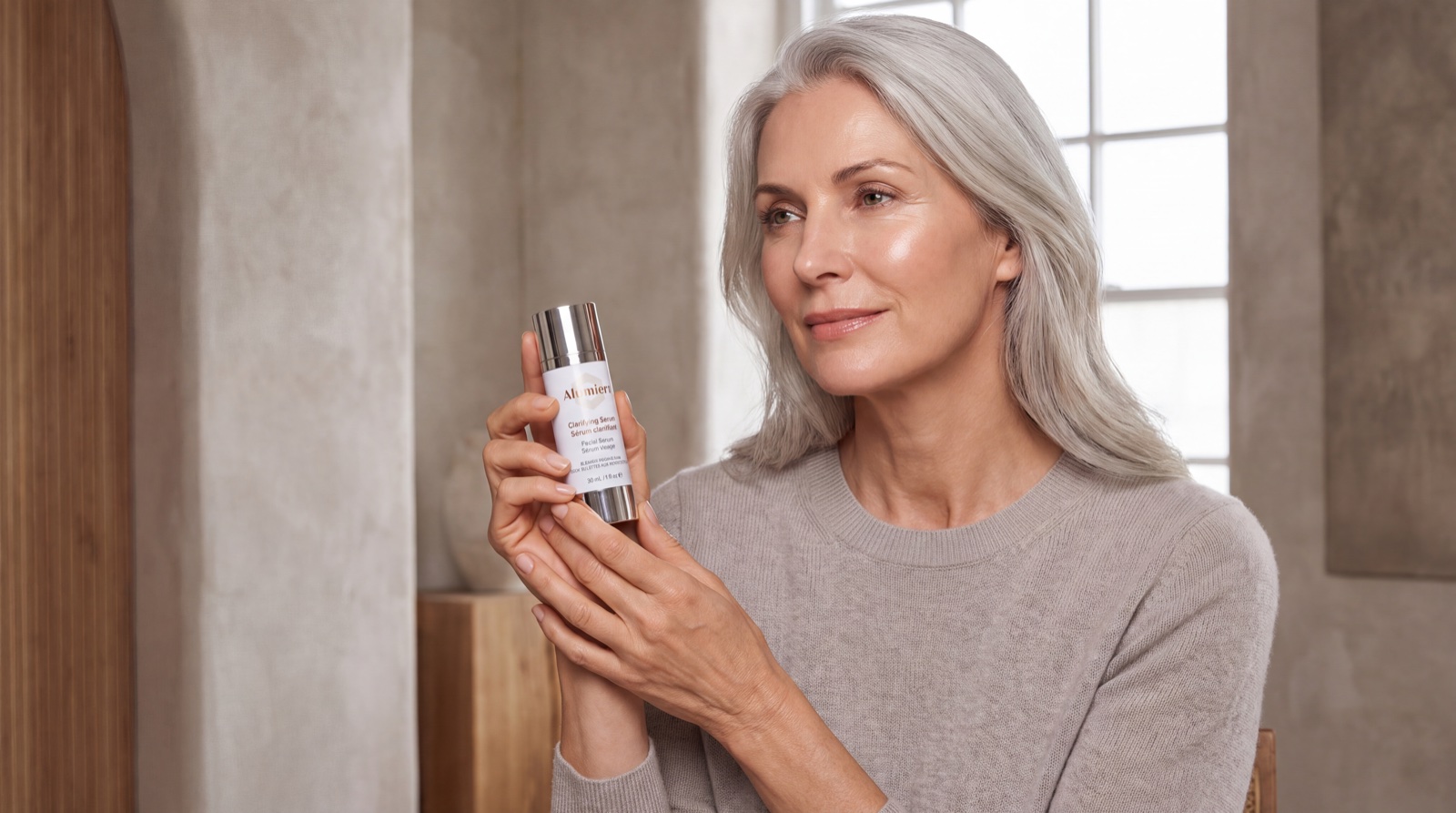
Hormonal Acne: Causes and Solutions
Understand the root causes of hormonal acne and discover effective solutions including skincare, lifestyle changes, and treatments.
Read the guide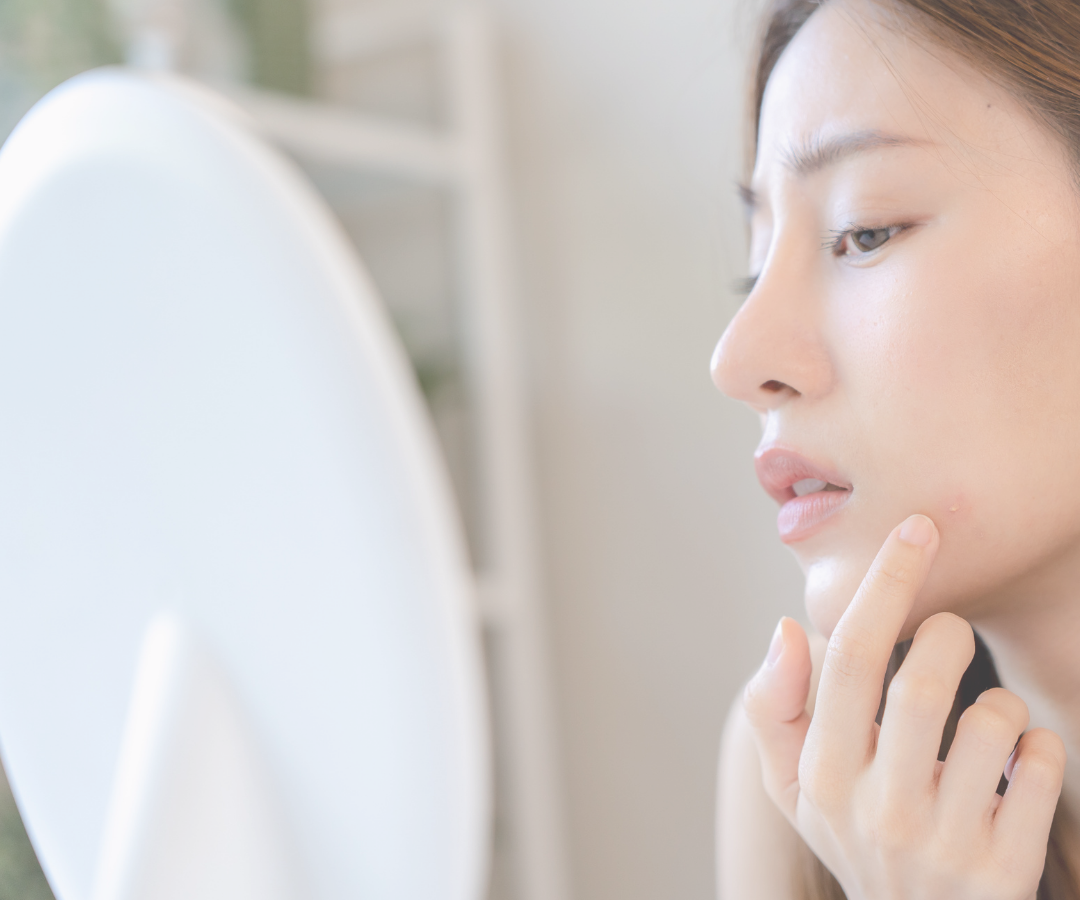
Purge or Breakout? Here’s How to Tell — and What to Do About It.
Is your skin purging or breaking out? Learn how to tell the difference and what to do about it.
Read the guide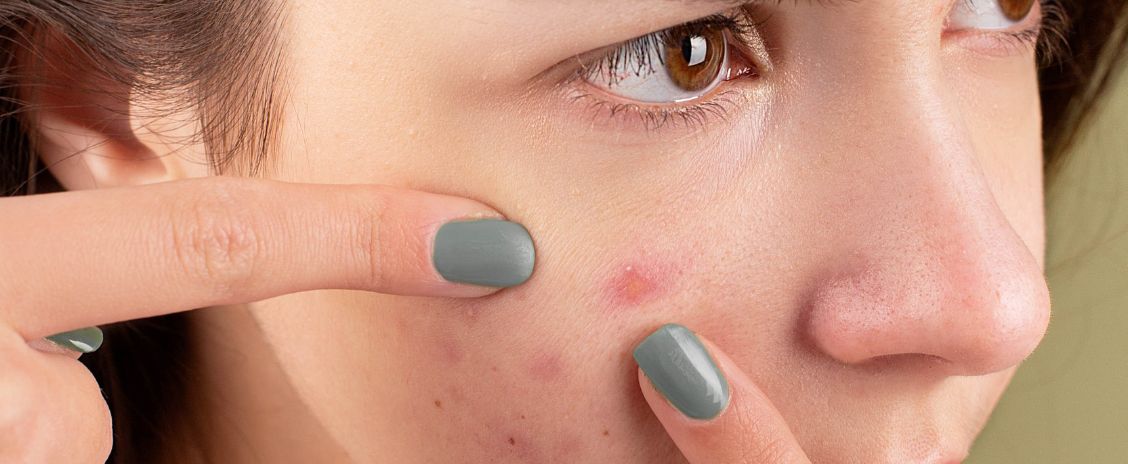
How to Identify and Treat Different Types of Acne: Your Comprehensive Guide to Skincare without Compromise
Learn to identify and treat every type of acne from blackheads to cystic breakouts. Expert guidance on ingredients, products, and routines that actually work.
Read the guide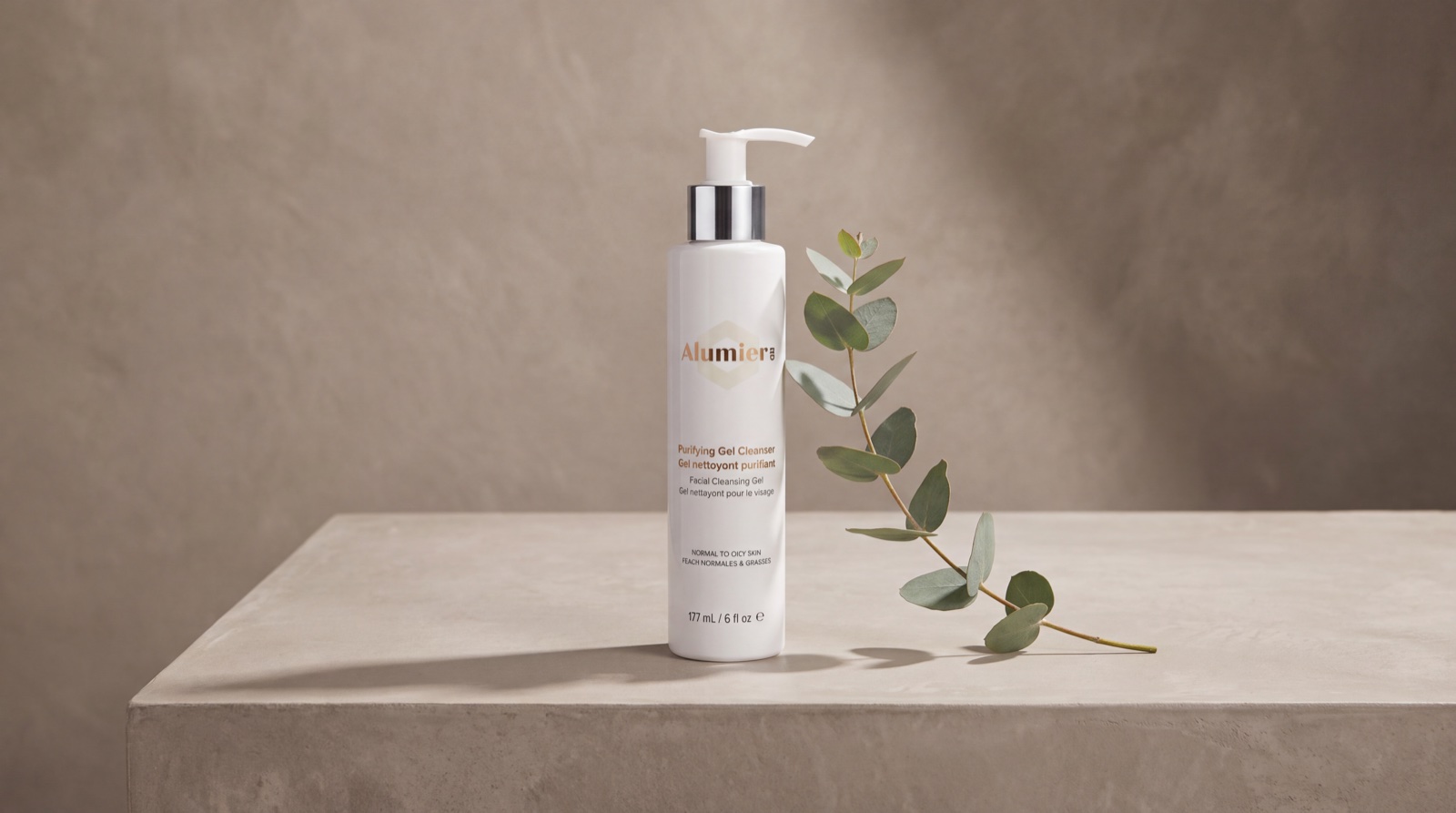
Building the Perfect Acne Routine
Build an effective acne-fighting routine with the right cleansers, treatments, and moisturisers. Step-by-step guide to clear skin.
Read the guide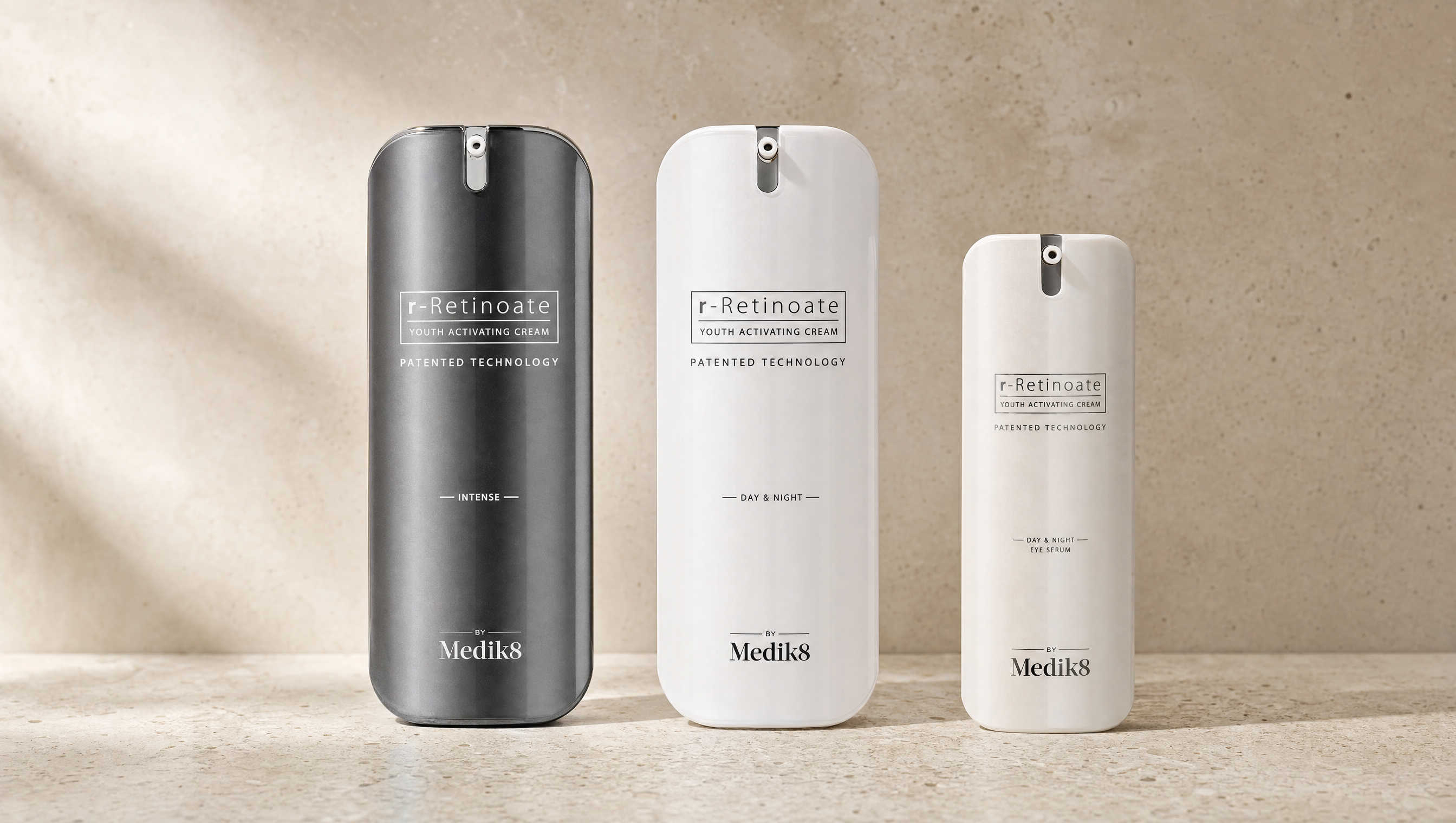
Retinoid Esters Explained: What r-Retinoate Actually Is (and Isn't)
Retinyl esters and retinoic-acid esters get lumped under one word, but they're not the same thing. What Medik8's r-Retinoate actually is, what the evidence says, and how to choose your retinoid route.
Read the guide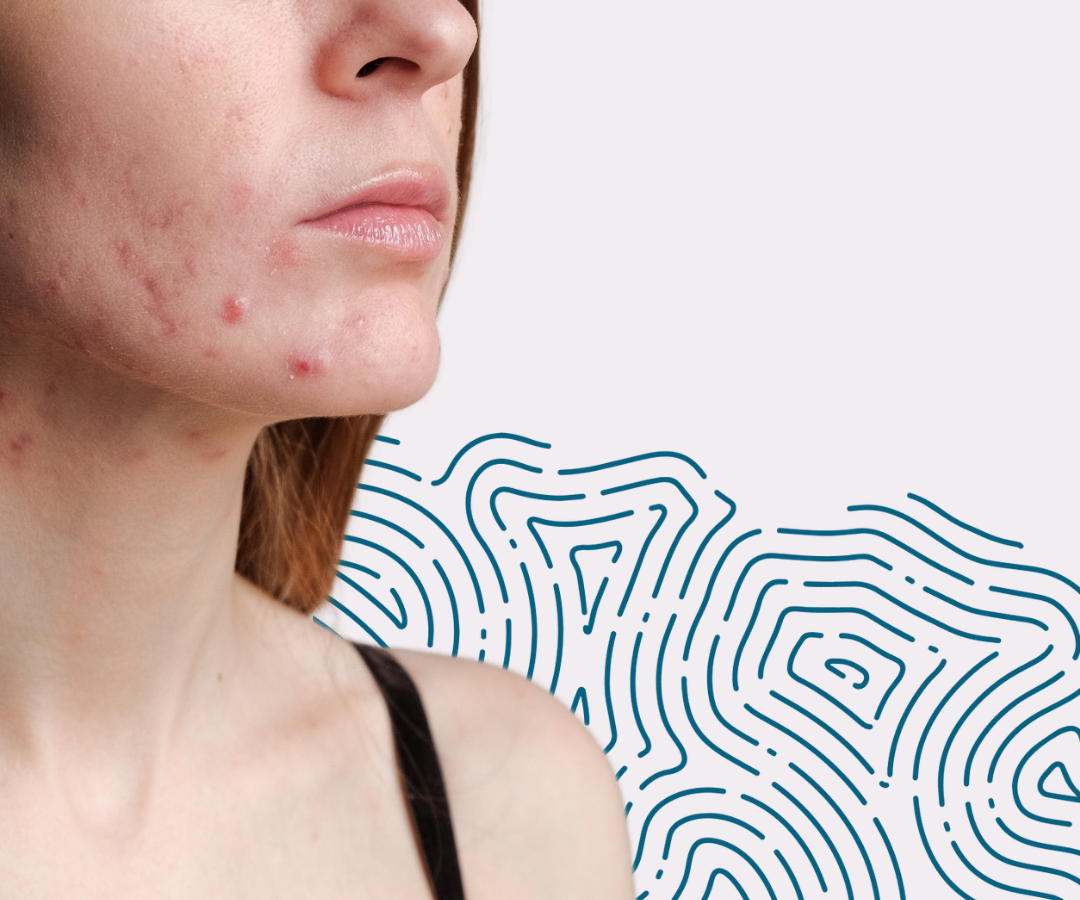
Why Blemishes Don’t Define Your Beauty - A Skincare Expert’s Guide to Managing Adult Breakouts
Comprehensive guide to understanding and treating adult acne with professional skincare. Learn about causes, treatments, and effective product recommendations.
Read the guide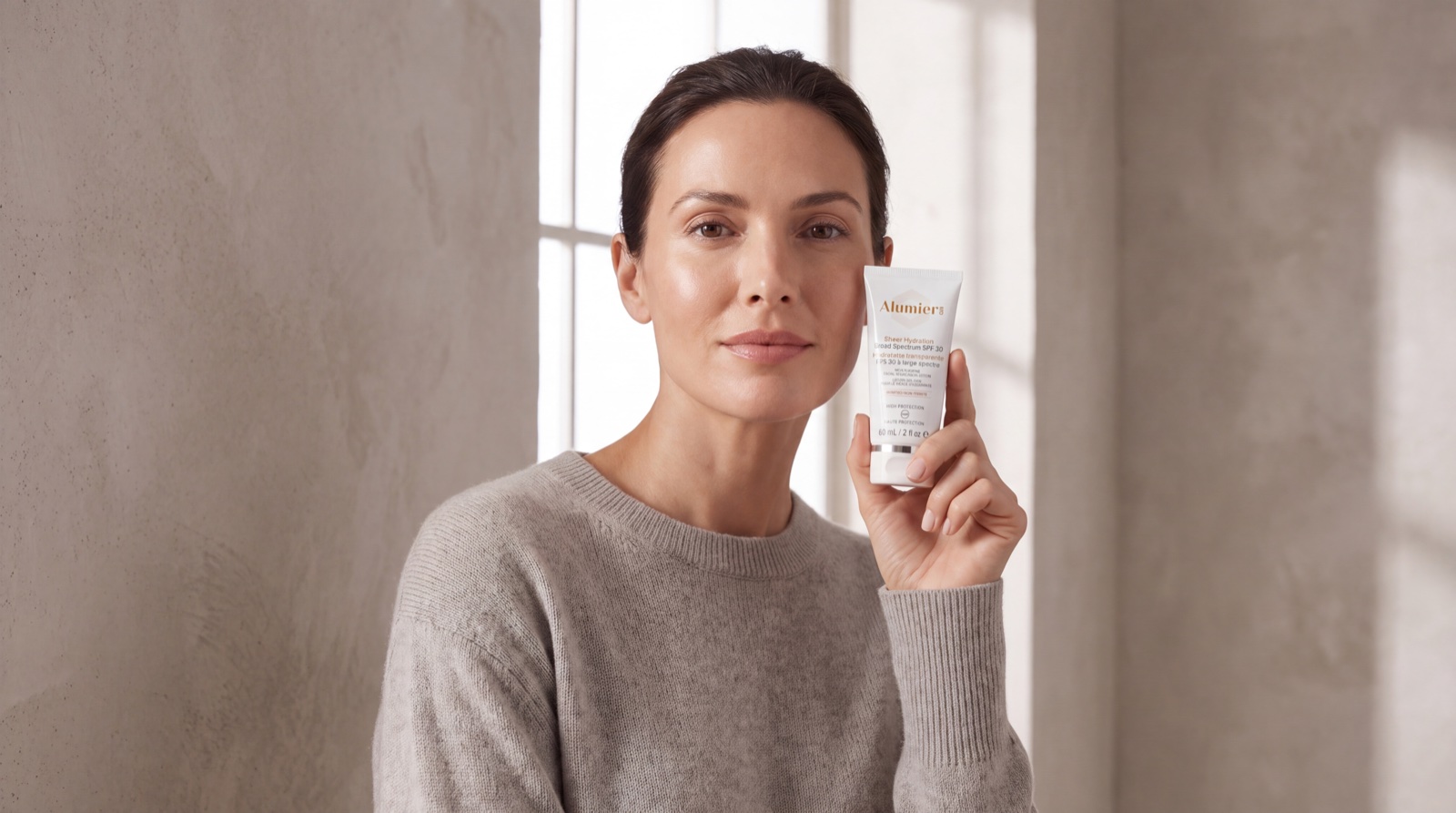
Understanding Acne: Your Complete Guide to Clear Skin
Complete guide to understanding acne: causes, types, triggers, and effective treatments for clearer skin at any age.
Read the guide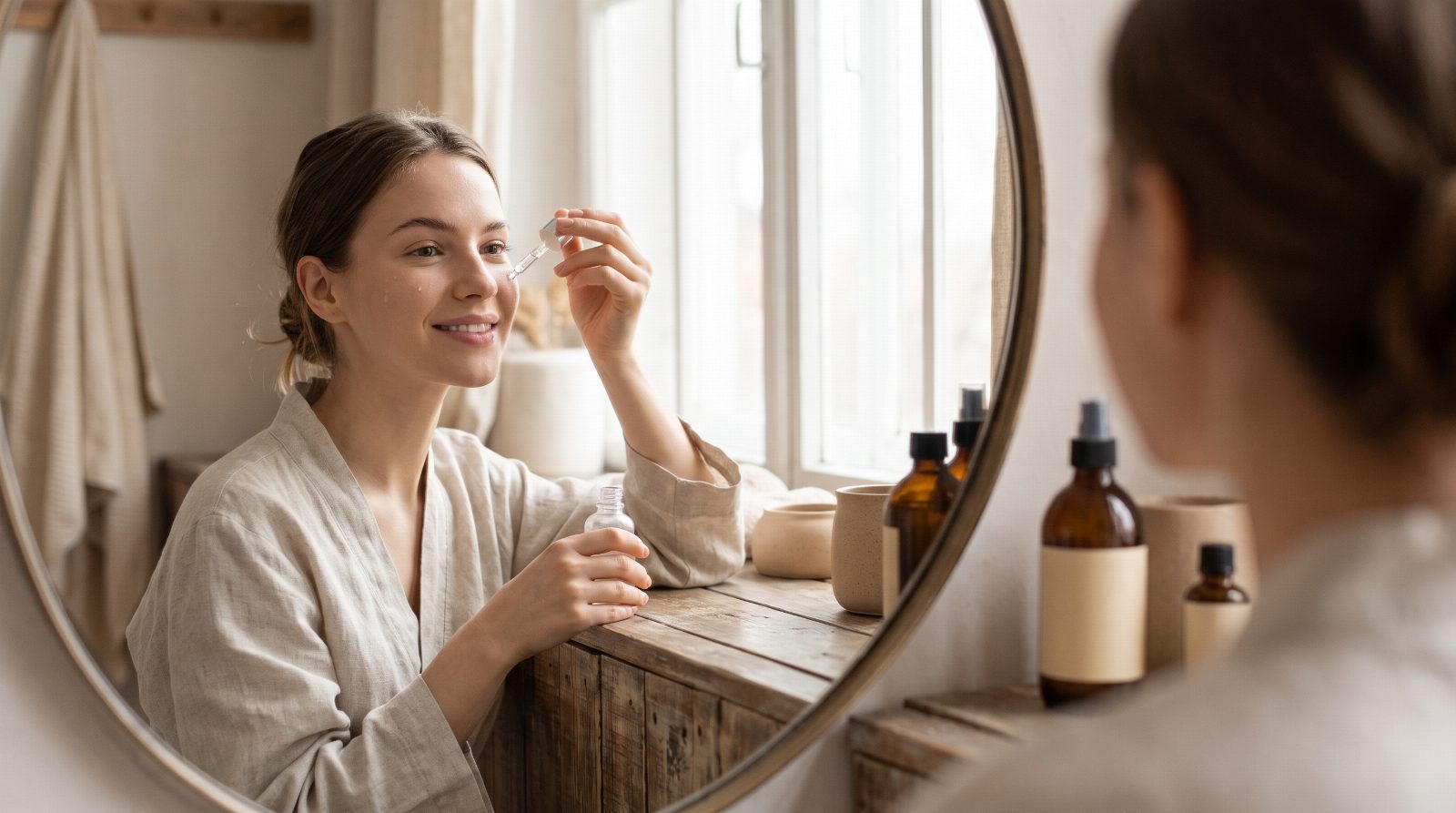
Professional Acne Treatment: What Really Works
Evidence-based professional acne treatments from cleansers to retinoids. Discover which medical-grade ingredients actually work and build your clear skin routine.
Read the guide
Preventing and Treating Acne Scars
Learn how to prevent acne scars and treat existing ones with proven ingredients and professional treatments for smoother skin.
Read the guideKey Ingredients for Acne Mastery Center
The actives most worth knowing for this concern — tap any to read the full ingredient guide.
Not sure where to start?
Take our free skin type test to get routine and ingredient recommendations tailored to your skin.
Find Your Skin TypeNeed Personalised Advice?
Our skincare specialists can help you develop a treatment plan tailored to your specific needs.