
Sun Protection & SPF
How to choose and use sunscreen for daily, broad-spectrum protection
Reviewed by Kate · Last updated 10 Sep 2026
What UV Does to Your Skin
Sunscreen is the single most effective anti-ageing step in any routine, yet it is also the most misunderstood. Between SPF numbers, PA ratings, mineral versus chemical filters and the eternal question of how much to apply, it is easy to feel unsure whether you are actually protected. This hub brings the essentials together in plain English, then points you to deeper guides for the details. The short version: a broad-spectrum sunscreen, worn daily and applied generously, helps guard against the UV that drives sunburn, pigmentation and premature ageing.
How Does Sun Exposure Damage Skin?
Sunlight reaches your skin as two types of ultraviolet radiation, and they behave differently. The part most people underestimate is daily, incidental exposure: the walk to work, sitting near a window, popping out at lunch. None of it feels like “sunbathing”, but UVA is working the whole time, and the effects add up. That is why dermatologists and bodies such as the British Association of Dermatologists recommend daily protection rather than reserving sunscreen for the beach.
Longer wavelength that penetrates deep into the dermis, breaking down collagen and elastin. Present at constant levels all day, all year, and passes through cloud and window glass. The main driver of photoageing — fine lines, loss of firmness, uneven tone and dark patches. Memory aid: UVA for ageing.
Shorter wavelength that mostly affects the surface layers. The one behind sunburn and reddening after a day outdoors. More intense in summer and at altitude, but still contributes to cumulative damage. Memory aid: UVB for burning.
Once that damage has accumulated as visible pigmentation, texture change or loss of firmness, the goal shifts from protection to repair — which is a different job. If that is where you are, our sun damage hub covers the ingredients and routines that help address existing marks.
What Do SPF and PA Ratings Actually Mean?
SPF (Sun Protection Factor) measures how well a product guards against UVB, the burning rays. It is a ratio: SPF 30 filters roughly 97% of UVB, SPF 50 around 98%. The jump from 30 to 50 looks small on paper, but it is meaningful in real life because almost nobody applies the full test amount — so a higher number gives you a helpful buffer. SPF says nothing about UVA on its own.
SPF Number
SPF 30 filters ~97% of UVB, SPF 50 ~98%. A higher number buffers against typical under-application.
Broad-Spectrum
Filters both UVA and UVB. In the UK, look for the UVA circle logo confirming UVA cover meets a minimum standard relative to the SPF.
PA Rating
An Asian scale (PA+ up to PA++++) grading UVA defence — more plus signs mean stronger UVA protection.
For everyday use, aim for a broad-spectrum SPF 30 or 50 with a strong UVA rating so both wavelengths are covered.
Mineral or Chemical — Which Filters Should You Choose?
Sunscreens protect using two broad filter types, and neither is inherently “better” — the best sunscreen is the broad-spectrum one you will happily reapply.
Zinc Oxide & Titanium Dioxide
Sit on the skin and largely reflect and scatter UV. Gentle, which suits sensitive and reactive skin, though older formulas can leave a white cast.
Absorbing Filters
Absorb UV and convert it to a small amount of heat. Tend to feel lighter and blend invisibly, making them popular for daily wear under make-up.
For a proper breakdown of textures, white cast, sensitivity and which suits which skin, see our dedicated guide to mineral vs chemical sunscreen. Two more everyday questions worth settling: does sunscreen expire? and does sunscreen stop you tanning?
How Much Sunscreen Should You Use, and How Often?
Under-application is the most common reason sunscreen underperforms. As a guide for the face and neck, use the two-finger rule: squeeze a line of product along both your index and middle fingers, and apply that amount. For the body, roughly a shot-glass (about two tablespoons) covers exposed skin.
Apply Before Exposure
Put it on as the last step of your morning skincare, before make-up.
Reapply Every Two Hours
When you are outdoors for a stretch, and always after swimming, sweating heavily or towel-drying.
Do Not Forget the Edges
Ears, hairline, back of the neck and the tops of the feet are easily missed.
How Do You Choose Sunscreen for Your Skin Type?
The right formula is the one that fits your skin, so you will actually wear it every day.
Oily & acne-prone
Usually prefers a lightweight, non-comedogenic fluid or gel with a matte finish — our guide to the best sunscreen for oily and acne-prone skin has specific picks.
Rosacea-prone & sensitive
Often does best with a mineral or hybrid formula and calming ingredients, which we cover in the best sunscreen for rosacea guide.
Dry
Tends to enjoy a more nourishing cream texture that adds comfort as well as protection.
Deeper skin tones
May want a tinted or invisible chemical formula to avoid white cast.
Already noticing dark spots, uneven tone or loss of firmness from past sun exposure? Protection is only half the story. Head to our sun damage hub for the ingredients and routines that help address damage that has already appeared.
Ready to find your everyday SPF? Compare textures, finishes and skin-type matches in our Best Facial Sunscreen UK buyer's guide, then browse the full range in our shop sunscreens collection.
In this guide
Short, practical reads on Sun Protection & SPF — tap any topic for the full guide.

Does Sunscreen Expire? How Long SPF Really Lasts
Yes, sunscreen expires. How to read the PAO symbol and expiry date, how long SPF lasts once opened, and the signs it has gone off.
Read the guide
Does Sunscreen Stop You Tanning?
Can you still tan with SPF on? What a tan really is, why UV gets through, and how to enjoy the sun more safely.
Read the guide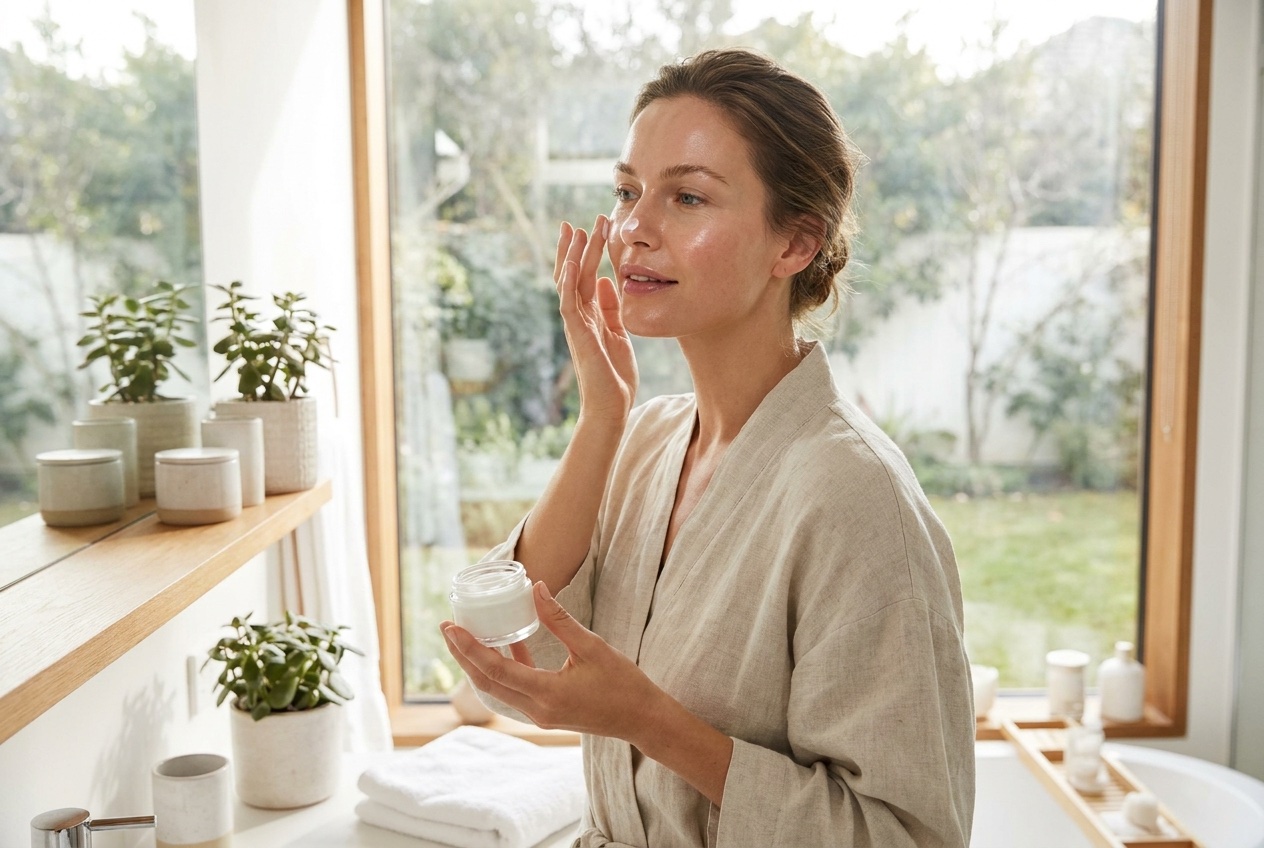
Mineral vs Chemical Sunscreen: Which Should You Choose?
How mineral and chemical sunscreens differ, the pros and cons of each, and how to pick the right broad-spectrum SPF for your skin.
Read the guide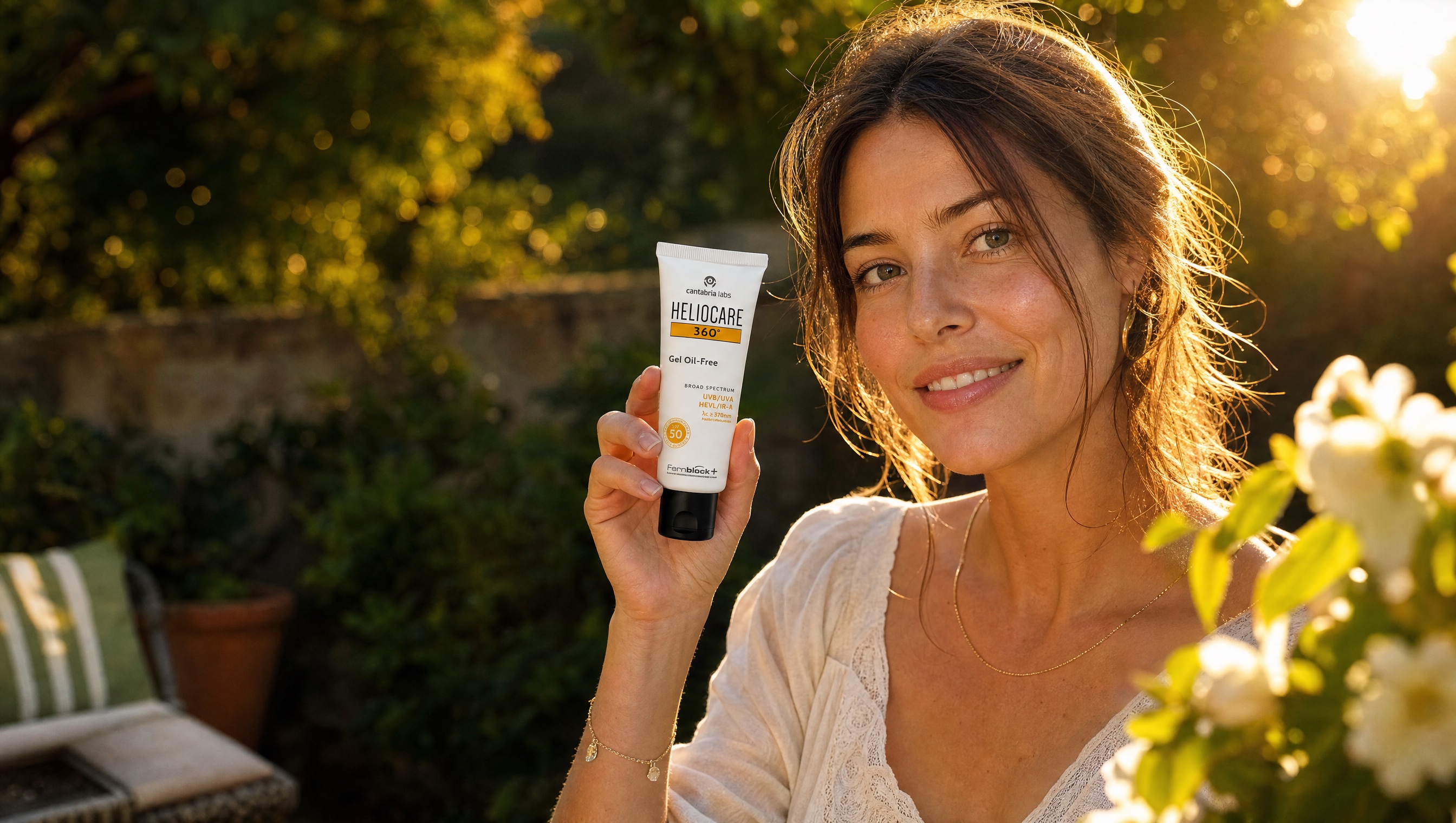
The Best SPF You're Not Using: Why Heliocare Is Different
Every few months a new "miracle sunscreen" does the rounds on skincare forums, and most of the time the fuss doesn't survive contact with the ingredients list. Heliocare is the exc
Read the guide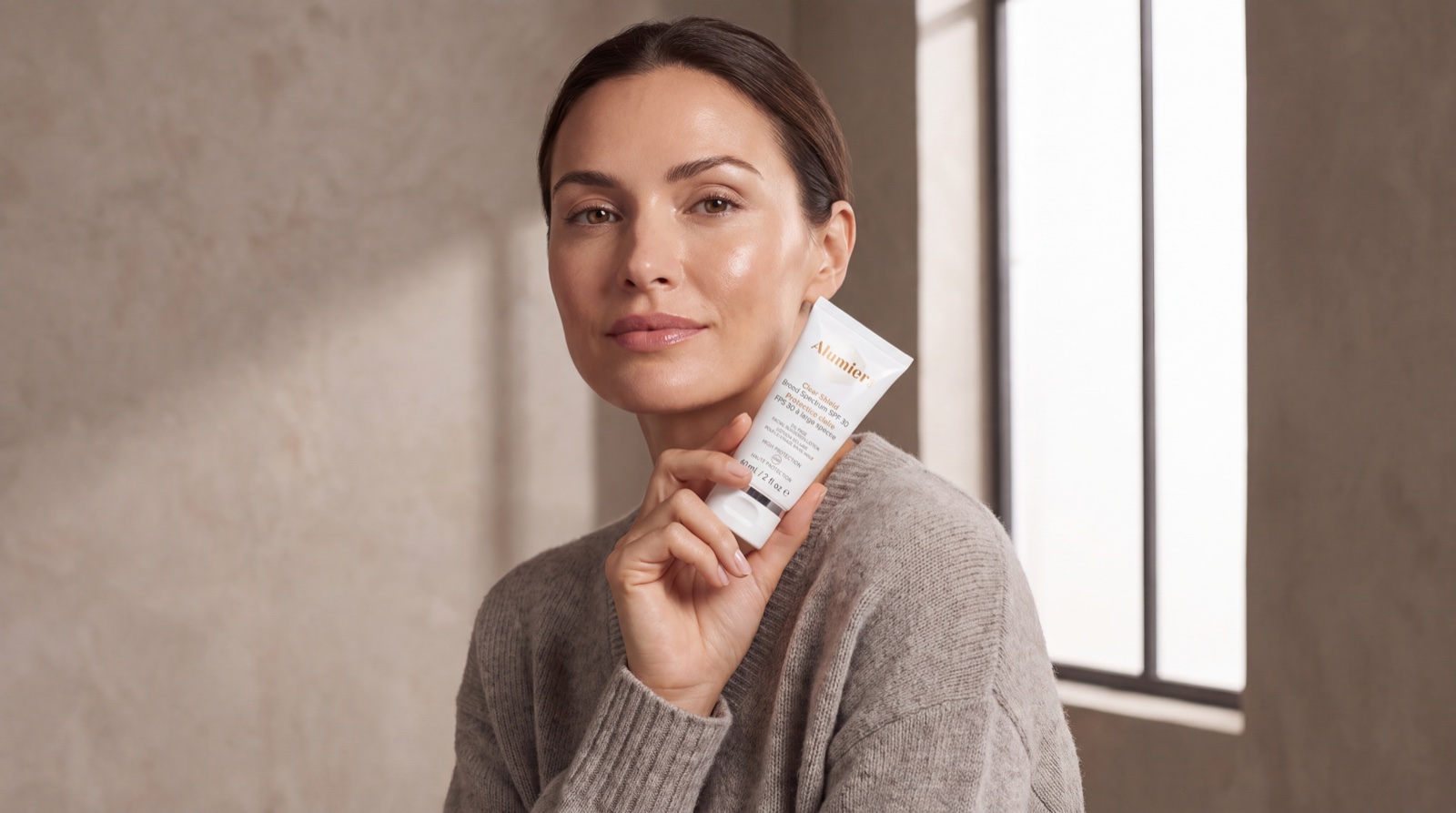
Best Facial Sunscreen UK: A Broad Spectrum Buyer's Guide
Broad spectrum means UVA and UVB. This Skintique Academy guide compares professional facial sunscreens by filter type, finish, SPF level and skin type, so you can find one you will genuinely wear every day.
Read the guide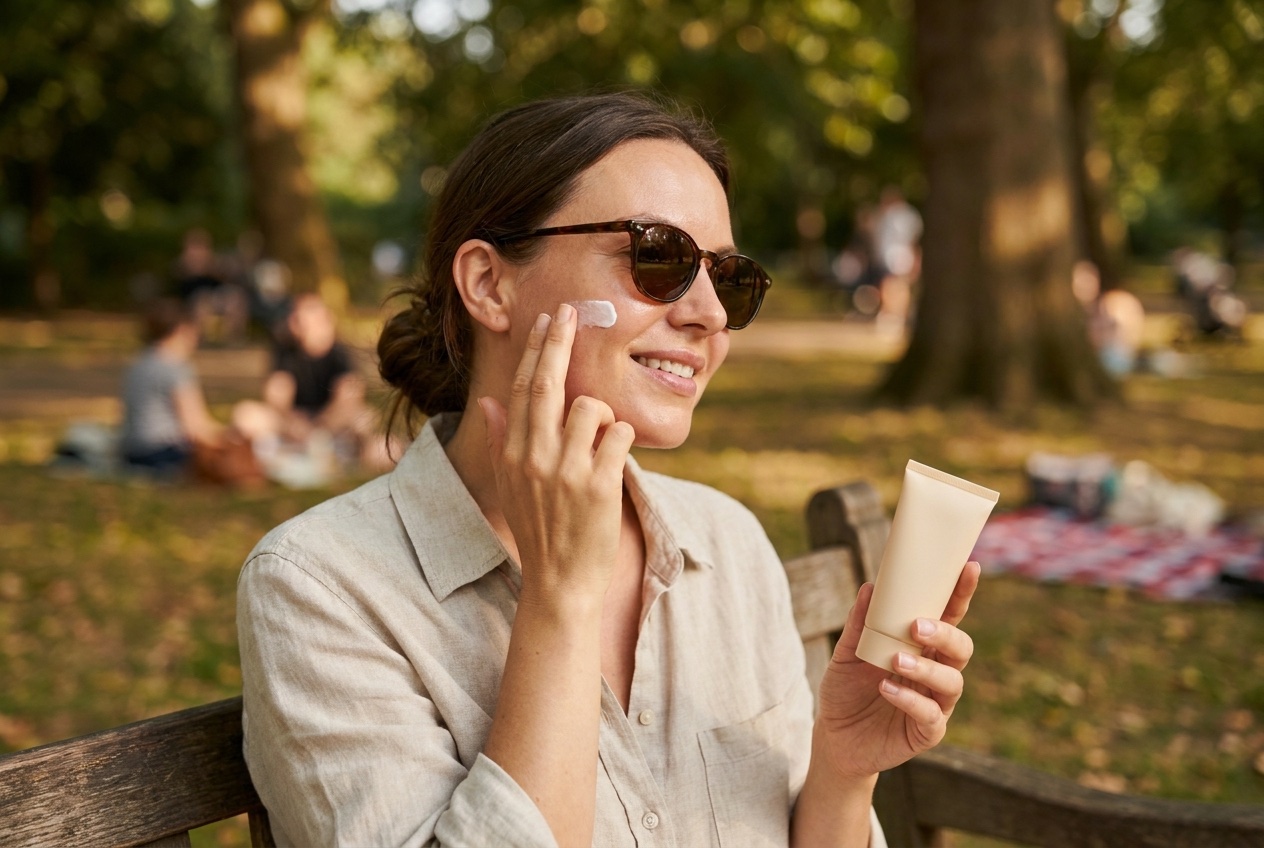
How Much Sunscreen to Use & How Often to Reapply
How often should you reapply sunscreen and how much to use? The two-finger rule, reapplying every 2 hours, over make-up and for kids, explained.
Read the guide
SPF Before or After Moisturiser? The Correct Order
Sunscreen goes on after moisturiser, as the last skincare step before make-up. Here's why the order matters, how long to wait, and the mistakes to avoid.
Read the guide
How to Choose the Best Body Sunscreen (UK Guide)
Not sure where to start?
Take our free skin type test to get routine and ingredient recommendations tailored to your skin.
Find Your Skin TypeNeed Personalised Advice?
Our skincare specialists can help you develop a treatment plan tailored to your specific needs.