
Dry Skin
Nourishing routines for moisture-deficient skin
Reviewed by Kate · Last updated 20 Aug 2026
How to Identify Dry Skin
Dry skin (xerosis) occurs when the skin lacks sufficient natural oils (lipids) and struggles to retain moisture. This compromises the skin barrierthe outermost layer that protects against environmental aggressors and prevents water loss. Understanding the difference between dry and dehydrated skin is essential for effective treatment.
Lacks water. Temporary and treatable. Any skin type can be dehydrated. Needs humectants.
What Causes Dry Skin?
Genetics
Some people naturally produce fewer lipids. Conditions like eczema and ichthyosis have genetic components.
Age
Sebum production decreases with age. Skin also produces less natural moisturising factors (NMFs) over time.
Climate & Environment
Cold weather, low humidity, central heating, and air conditioning all strip moisture from skin.
Harsh Products
Over-exfoliation, alcohol-based products, and sulphate cleansers damage the skin barrier.
Best Ingredients for Dry Skin
Hyaluronic Acid
Draws moisture from environment into skin; holds 1000x its weight in water
Glycerin
Draws water into skin; one of the most effective humectants
Plant Oils
Jojoba, rosehip, marularich in fatty acids and antioxidants
Recommended Routine
Morning
- Gentle cream or milk cleanser (or water only)
- Hydrating toner or essence
- Hyaluronic acid serum on damp skin
- Rich moisturiser with ceramides
- Hydrating SPF 30+
Evening
- Oil or balm cleanser
- Gentle milk or cream cleanser
- Hydrating serum
- Nourishing night cream or sleeping mask
- Facial oil to seal (optional)
Pro Tips for Dry Skin
Explore Dry Skin in Depth
- How to build a dry skin routine
- Dry skin vs dehydrated skin — how to tell the difference
- The best ingredients for dry skin (hyaluronic acid, ceramides, squalane)
- Why is my skin so dry? Causes, triggers and how to fix it
Shop for Dry Skin
Our specialists most often reach for hydrating and barrier-supporting formulas: browse our hyaluronic acid and ceramide ranges, richer options like the AlumierMD HydraDew Moisturiser and HydraCalm, or a hydrating serum such as Ultimate Boost. For a gentle start, see our cream and gel cleansers.
Dealing with a temporary bout of tightness or flaking rather than your everyday skin type? Any skin type can become dry or dehydrated from weather, harsh products or age. See the underlying mechanism, common triggers and how to fix it on our dryness & dehydration → page, or go deeper on the science of water loss in our hydration guide →.
In this guide
Short, practical reads on Dry Skin — tap any topic for the full guide.
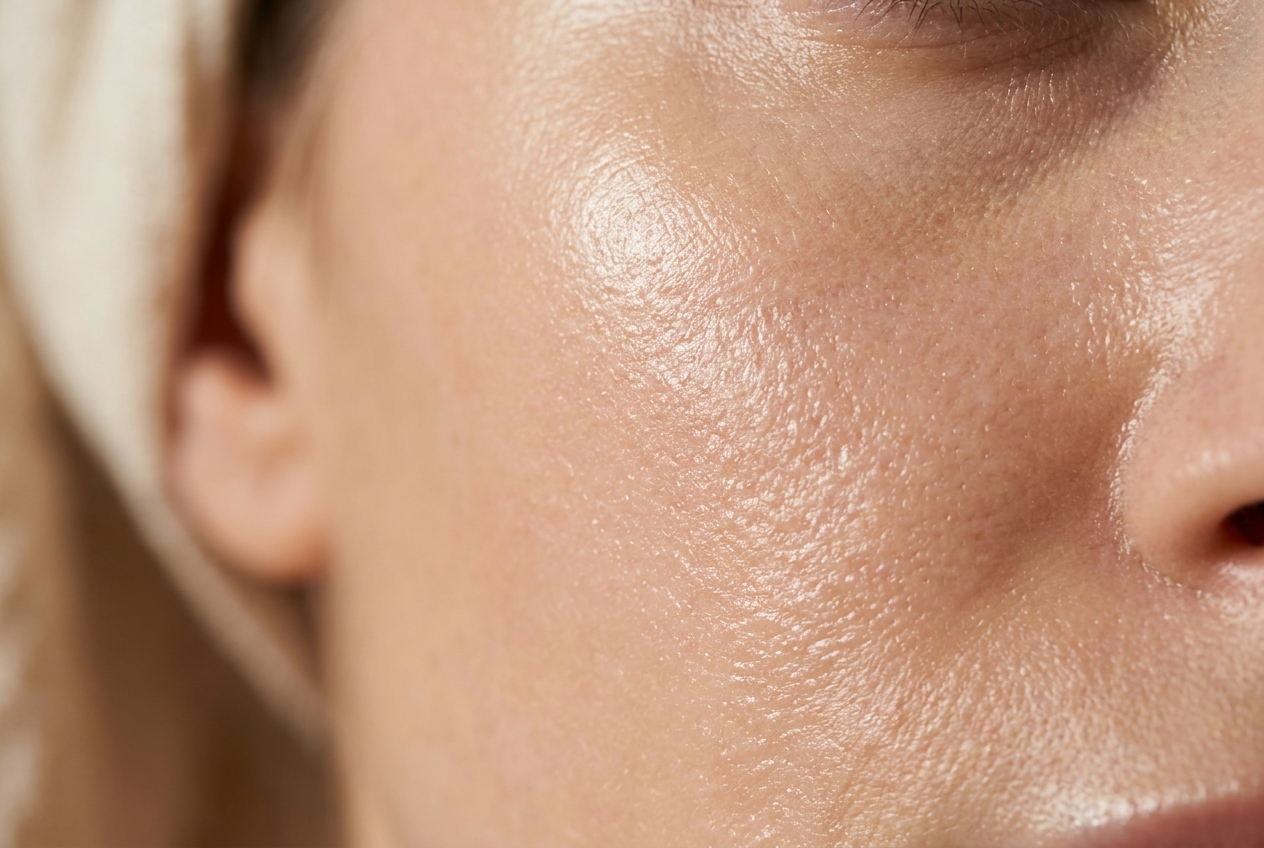
Dry Skin vs Dehydrated Skin: How to Tell the Difference
Dry skin lacks oil; dehydrated skin lacks water — and they need opposite routines. How to tell which you have, and treat it correctly.
Read the guide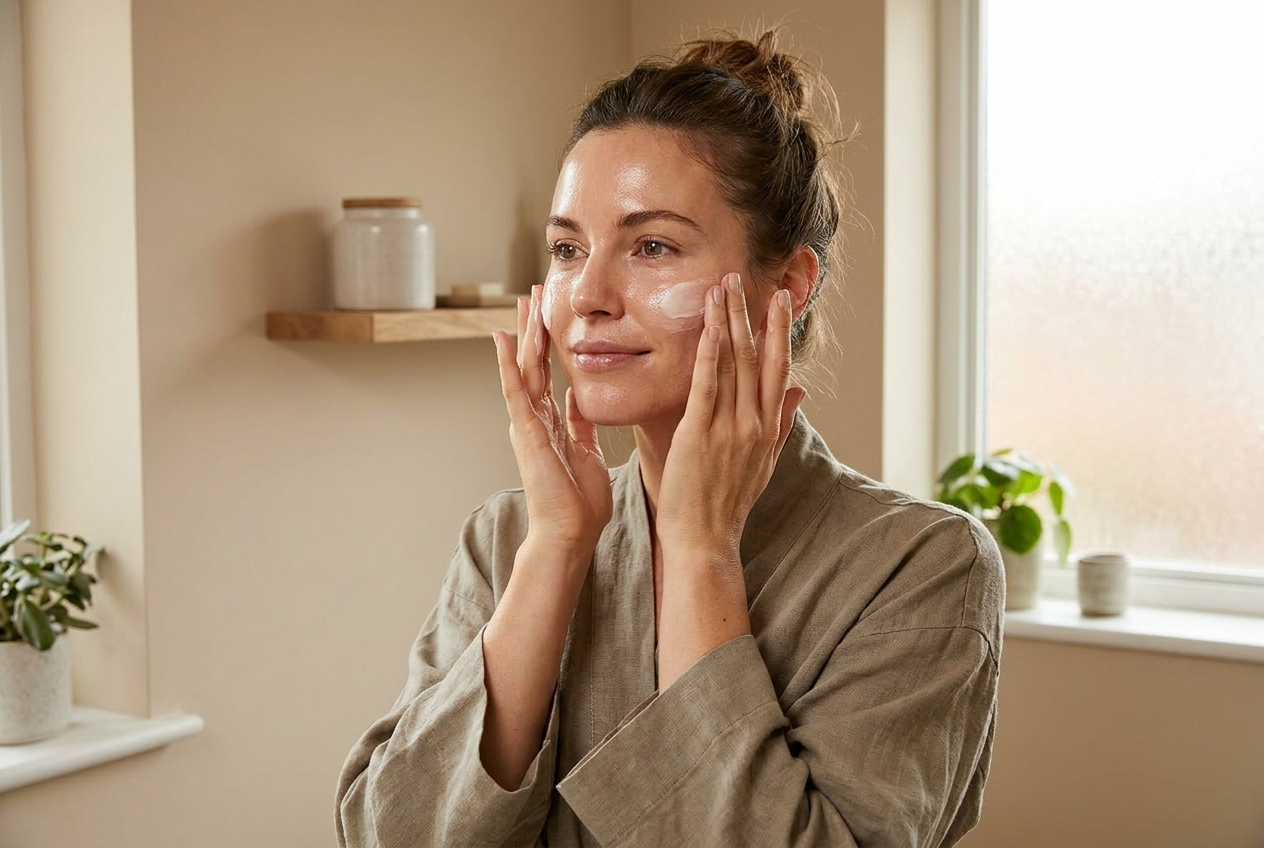
Dry Skin: How to Build the Right Routine (UK Guide)
Dry skin lacks oil, not just water. Learn how to spot it and build a simple AM/PM routine with humectants, ceramides and the right moisturiser.
Read the guide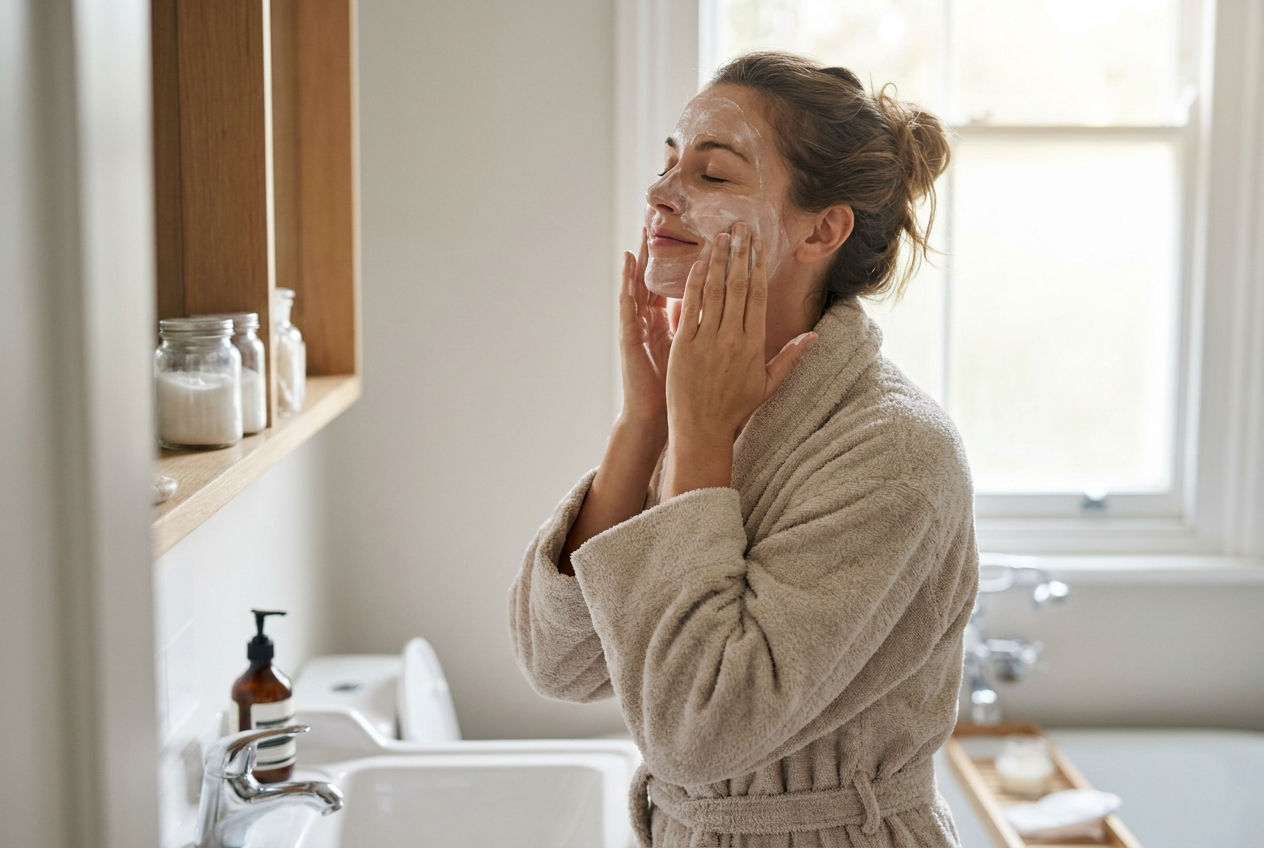
Why Is My Skin So Dry? Causes, Triggers and How to Fix It
Skin tight or flaky an hour after moisturising? The real causes of dry skin, and the simple, sensible changes that actually fix it.
Read the guide
The Best Ingredients for Dry Skin: Hyaluronic Acid, Ceramides, Squalane & More
Hyaluronic acid, ceramides and squalane each do a different job for dry skin. Which draws in water, which replenishes lipids, which seals.
Read the guideNot sure where to start?
Take our free skin type test to get routine and ingredient recommendations tailored to your skin.
Find Your Skin TypeNeed Personalised Advice?
Our skincare specialists can help you develop a treatment plan tailored to your specific needs.