
Hydration & Moisture: How Skin Holds Water
The science of humectants, TEWL and layering for lasting hydration
Reviewed by Kate · Last updated 20 Aug 2026
Signs Your Skin May Be Dehydrated
"Hydration" and "moisturising" get used interchangeably, but they describe two different jobs. Hydration is about water content — how much water your skin cells actually hold. Moisturising is about sealing that water in and softening the surface with lipids. Understanding the mechanics behind both is the key to building a routine that genuinely works.
Low water content beneath the surface. Addressed with humectants, which draw and bind water.
A rough or compromised surface texture. Addressed with emollients and occlusives that soften and seal.
Skin can be well-moisturised — soft, smooth to the touch — and still be dehydrated, or the reverse. Most effective routines use both together, rather than treating one as a substitute for the other.
What Drives Water Loss
Trans-epidermal water loss (TEWL) is the continuous, natural evaporation of water from inside the skin, through the stratum corneum, into the air. A healthy barrier keeps this rate low. When the lipid matrix that holds skin cells together is thin, damaged or under-supported, TEWL rises, and skin loses water faster than it can replace it. This is the mechanism behind that tight, dehydrated feeling — regardless of your underlying skin type.
TEWL falls again when the barrier is well-supported and the surrounding air is more humid. Humectants are the first line of defence — but on their own they are only half the story. In very low-humidity conditions, a humectant can pull water from deeper skin layers toward the surface, where it then evaporates if there's nothing sealing it in. That's where occlusives come in.
Best Ingredients for Hydration
Humectants attract and hold water. Applied to skin, they draw water in from the deeper layers and, in humid conditions, from the surrounding air, then bind it within the stratum corneum. Occlusives and emollients work alongside them to slow water loss and reinforce the barrier's lipid matrix.
Hyaluronic Acid
A naturally occurring polysaccharide that holds many times its weight in water; different molecular weights work at different depths of skin.
Glycerin
One of the most extensively studied humectants, effective at drawing and holding water at the skin's surface.
Urea
Both a humectant and a natural moisturising factor, so it tops up the skin's water-holding capacity from within.
Panthenol
Pro-vitamin B5 attracts moisture while also supporting a smoother, more comfortable skin surface.
Sodium PCA
A natural moisturising factor found in skin, used in formulas to replenish its own water-binding compounds.
Ceramides
A natural component of the barrier's lipid mortar; topping them up helps rebuild its own water-retaining structure.
Squalane
Forms a light protective layer that physically slows water evaporation, sealing humectants in beneath it.
Shea Butter
A richer occlusive that places a lid over the humectants underneath — ideal for low-humidity months.
Occlusives such as shea butter, squalane and plant oils form a thin, protective layer on the surface that physically slows evaporation — essentially placing a lid over the humectants underneath. Emollients work alongside them, filling the tiny gaps between skin cells to smooth the surface and reinforce the barrier's lipid matrix.
Because humectants can draw moisture from the surrounding air, ambient humidity directly affects how well they perform. In humid conditions they pull water from the air into skin. In dry conditions — cold winters, air-conditioned rooms, central heating — there's less water in the air to draw from, and, without an occlusive layer, a humectant-only routine can under-perform. This is why routines often need seasonal adjustment: lighter humectant layers in humid weather, and a heavier occlusive step added when the air turns dry.
How to Layer for Hydration
Replenish (draw water in)
Seal (slow water loss)
- Follow with a moisturiser containing emollients and occlusives to slow water loss
- Add a heavier occlusive step — a facial oil or balm — in low-humidity months
Hydration Day-to-Day
Skin feeling tight, flaky or dull? See how oil-deficiency and water loss combine, what triggers it, and how to build a replenish-then-seal routine on our dryness & dehydration → page.
Is low oil production just how your skin is? If dryness is a constant for you rather than a passing condition, find out how to identify and care for a dry skin type →.
Hydration guides
- How to hydrate your skin — the humectant-emollient-occlusive framework.
- Glycerin for skin — the humble humectant that does the heavy lifting.
- What are humectants? — how they work and how to use them.
In this guide
Short, practical reads on Hydration & Moisture: How Skin Holds Water — tap any topic for the full guide.

How to Hydrate Skin: The Complete Mechanism Guide
Learn how skin holds water and how to keep it hydrated using the humectant, emollient and occlusive framework, damp-skin layering and the right product order.
Read the guide
Glycerin for Skin
What glycerin is, what it does for skin, how to use it and who it suits — plus how this everyday humectant compares with hyaluronic acid.
Read the guide
What Are Humectants? A Plain Guide to How They Hydrate Skin
Humectants attract water into the skin. Learn what they are, how they differ from emollients and occlusives, the common ones to know, and how to use them.
Read the guide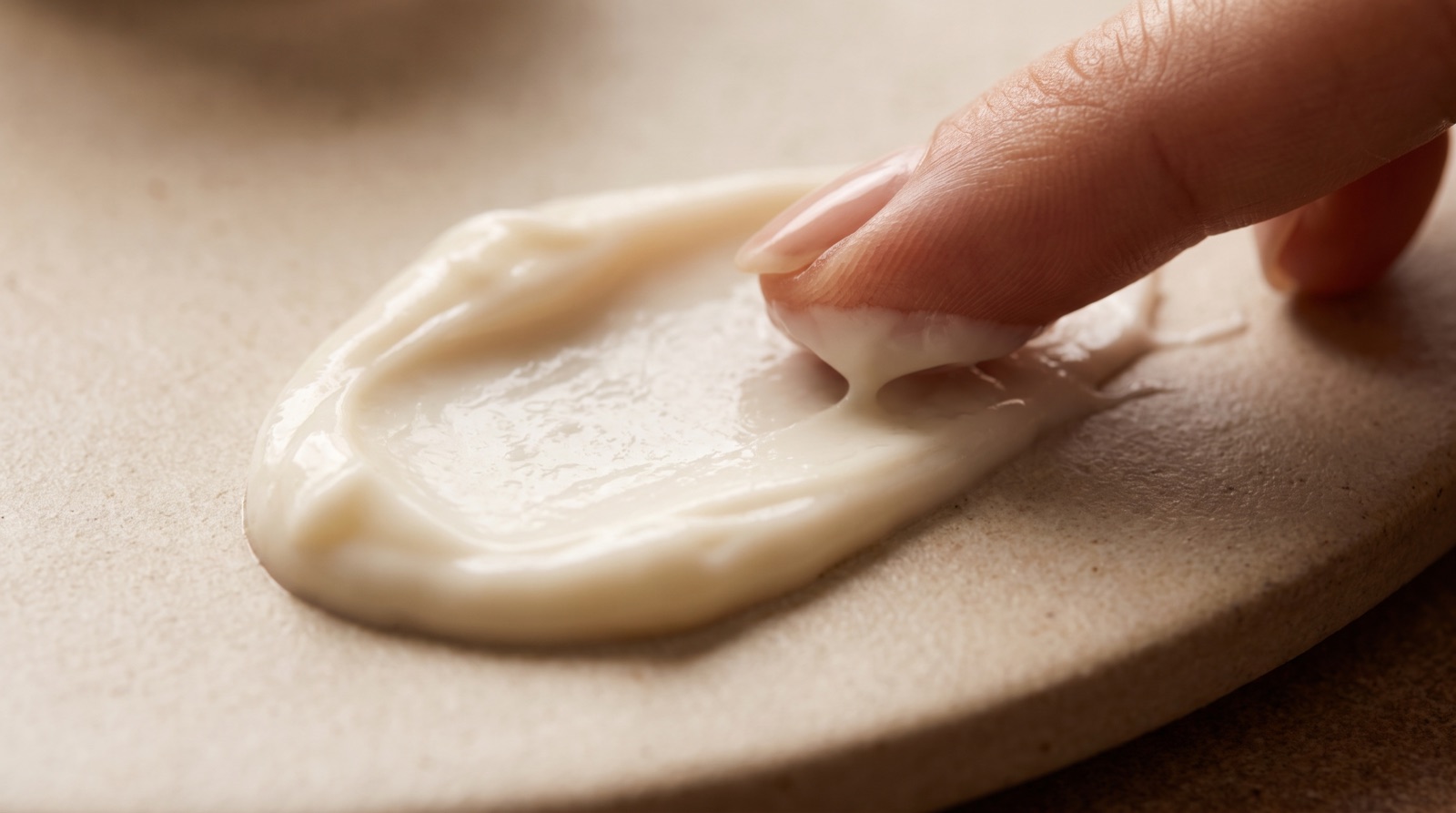
Humectants, Emollients and Occlusives: What's the Difference?

Best Hydrating Serum (UK): How to Choose and Use One
What makes a serum genuinely hydrating, how to choose one for your skin type, and the application step most people miss. A clear UK guide to hydrating serums.
Read the guide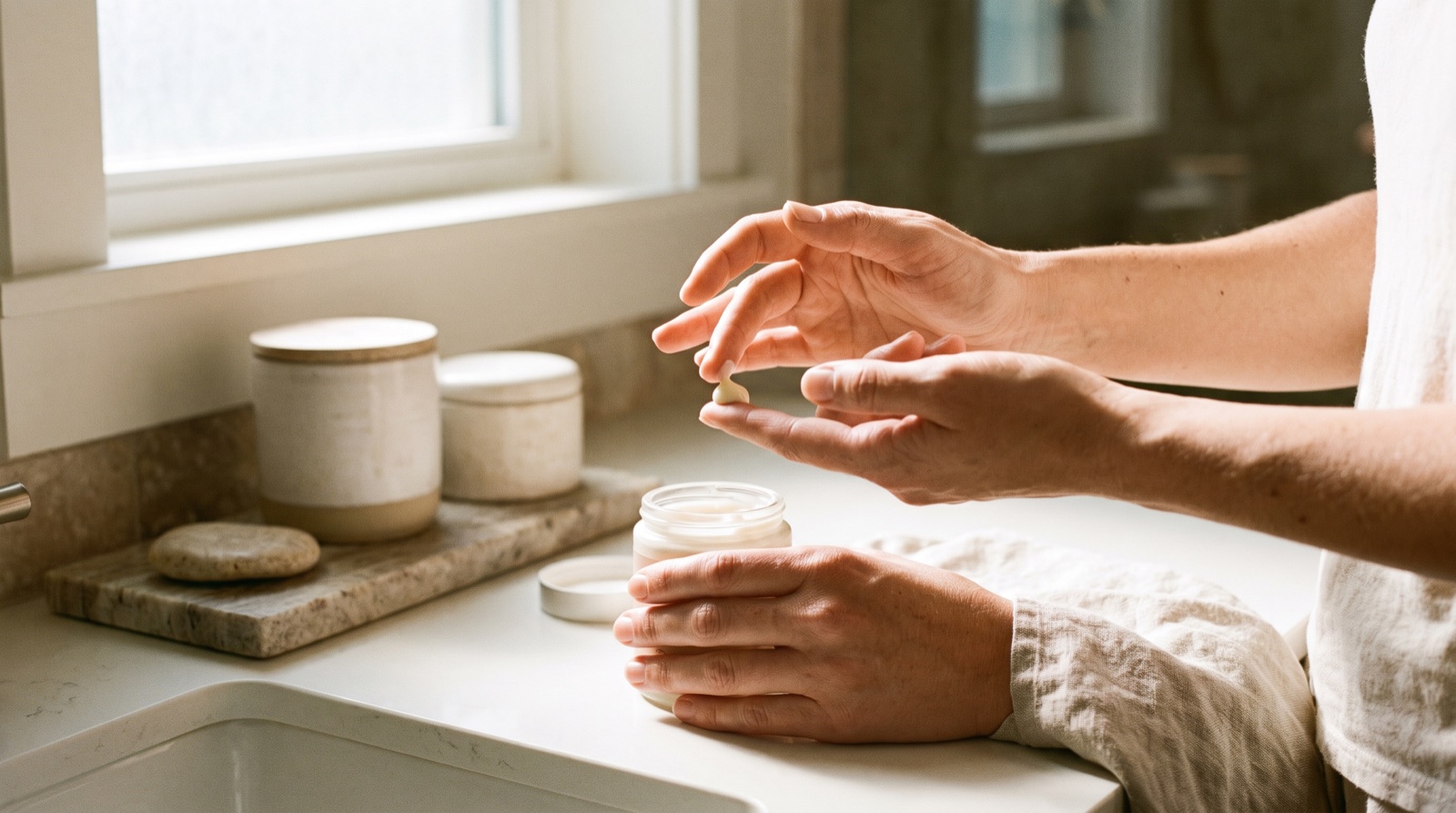
How Much Moisturiser Should You Actually Use on Your Face?
Key Ingredients for Hydration & Moisture: How Skin Holds Water
The actives most worth knowing for this concern — tap any to read the full ingredient guide.
Not sure where to start?
Take our free skin type test to get routine and ingredient recommendations tailored to your skin.
Find Your Skin TypeNeed Personalised Advice?
Our skincare specialists can help you develop a treatment plan tailored to your specific needs.