
Best For Skin Types
All skin types
Addresses
Effective Concentrations
0.1-2%
Usage Frequency
As directed on product packaging
EWG Safety Score


What Is Polyglutamic Acid?
Polyglutamic acid (PGA) is a powerful humectant derived from fermented soybeans, specifically the traditional Japanese food natto. It has a larger molecular weight than hyaluronic acid, which allows it to form a moisture-retaining film on the skin surface.
Research has shown that PGA can hold up to 5 times more moisture than hyaluronic acid, making it one of the most hydrating ingredients available. It also inhibits the enzyme hyaluronidase, which breaks down natural hyaluronic acid in the skin, thereby boosting overall hydration levels.
Unlike hyaluronic acid which draws moisture from the environment (or deeper skin layers if humidity is low), PGA creates a protective barrier that prevents moisture loss while keeping the skin plump and hydrated.
PGA works well in combination with hyaluronic acid and other hydrating ingredients. It is suitable for all skin types, including oily skin, as it hydrates without adding heaviness.
Benefits for Your Skin
Clinical Evidence & References
Polyglutamic acid (PGA) is a fermented soybean-derived humectant with a molecular weight larger than hyaluronic acid, enabling it to form a moisture-retaining film on the skin surface. Published research indicates it can bind significantly more water than hyaluronic acid and may inhibit hyaluronidase, an enzyme responsible for breaking down skin's natural hyaluronic acid. These mechanisms support its role in sustained hydration and skin plumping.
Evidence for PGA's efficacy is developing, with several peer-reviewed studies demonstrating measurable moisturising effects in human skin. However, the body of evidence remains modest in scale; most published work involves relatively small participant groups and short study durations. Individual tolerance and time-to-visible-effect may vary. Further research examining long-term use, optimal concentrations, and synergistic effects with complementary ingredients would strengthen the evidence base.
Published Research
-
Poly-γ-glutamic acid (γ-PGA): Biotechnological production and applications J Biosci Bioeng, 2012
-
Moisturizing effect of polyglutamic acid on human skin J Biosci Bioeng, 2002
How to Use
Safety & Precautions
How widely it's used
Regulatory information
Standardised cosmetic-ingredient identifiers used by regulators.
Show identifiers
- INCI Name
- POLYGLUTAMIC ACID
- Function
- Skin Conditioning
Frequently Asked Questions
From the Clinic
Not sure what your skin actually needs?
Two minutes, a few questions, and we’ll point you at what matters — no guesswork.
Take the skin quizRelated Ingredients
Placental Protein
A protein-rich extract that helps skin retain moisture and maintain hydration
Platonia Insignis Seed Butter
A plant-derived emollient that conditions and protects the skin barrier
Plukenetia Huayllabambana Seed Oil
A plant-based oil rich in omega fatty acids for skin conditioning and hydration
Polyglycerin-10
A lightweight humectant that draws moisture into the skin and conditions the outer layers
Polyglycerin-3
A lightweight humectant that draws moisture into the skin
Polyglycerin-4
A lightweight humectant that draws moisture into the skin's outer layers
Articles About Polyglutamic Acid
Learn more about this ingredient with our expert guides and articles.
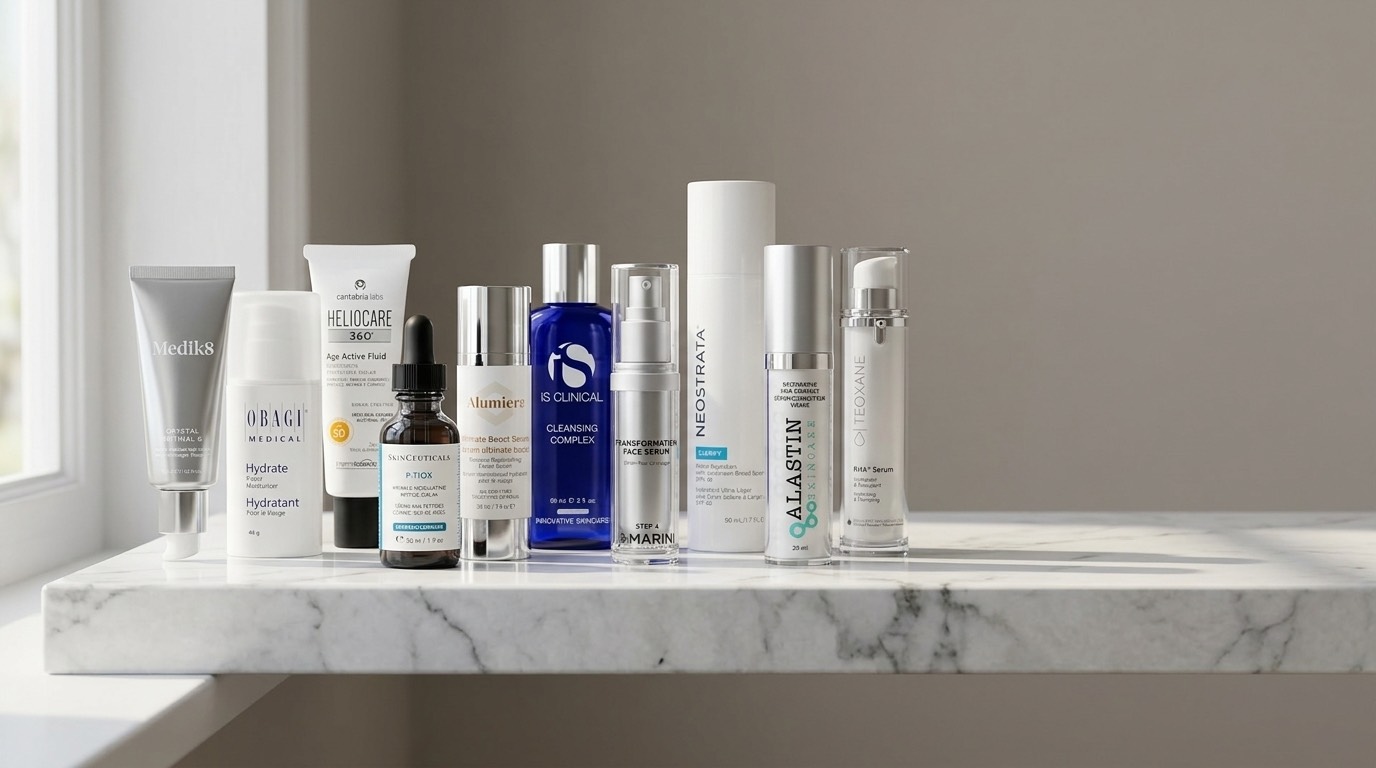
Learn More About Skincare Ingredients
Explore our comprehensive ingredient glossary to understand what's in your products.
Browse All IngredientsShop Our Products
Find professional skincare solutions at Skintique.