
Hyaluronic Acid
INCI: Sodium Hyaluronate, Sodium Hyaluronate Crosspolymer
Reviewed by Rosie · Last updated 14 Aug 2026
Also known as: Sodium Hyaluronate, Sodium Hyaluronate Crosspolymer, HA, Hyaluronan
A humectant that holds water in the upper layers of skin
At a glance
Best For Skin Types
All skin types
Effective Concentrations
0.1–2%. Higher is not better: above about 2% serums tend to feel tacky rather than perform better.
Usage Frequency
Twice daily
EWG Safety Score


What Is Hyaluronic Acid?
Hyaluronic acid is a glycosaminoglycan, a long sugar-based molecule that occurs naturally throughout the body. Skin holds a large share of it, mostly in the dermis, where it sits between the collagen and elastin fibres and keeps that space hydrated and cushioned. Levels fall with age and with sun exposure, which is part of why mature skin can look flatter and less plump.
On an ingredients list it appears in several forms. Sodium Hyaluronate is the salt form and is the one most commonly used, being more stable and easier to formulate with. You may also see Hydrolysed Hyaluronic Acid, Sodium Hyaluronate Crosspolymer or references to low, medium and high molecular weight. These are the same basic molecule cut to different sizes, and the size matters more than the name.
Larger molecules stay on the surface, holding water there and giving an immediate smooth, plumped look that washes off. Smaller fragments travel a little further into the upper layers and hydrate from slightly deeper down, with an effect that builds rather than appearing instantly. Many serums now include a blend precisely so that both happen.
It is a humectant rather than a moisturiser in the everyday sense: it attracts and holds water but does nothing to stop that water leaving again. That single fact governs almost all the practical advice about how to use it.
It also causes a persistent confusion worth clearing up. The hyaluronic acid in an injectable filler and the hyaluronic acid in a serum are the same family of molecule used in entirely different ways. A filler is placed into the skin in a cross-linked gel form to add volume in a specific place. A serum sits on the surface and hydrates the upper layers. A topical product cannot reproduce what an injectable does, and any product suggesting otherwise is overstating its case.
Benefits for Your Skin
How It Works
Hyaluronic acid works by binding water. Its molecular structure holds a very large amount of water relative to its own weight, and when it is applied to skin it draws moisture in and keeps it in place within the upper layers. Hydrated skin looks smoother and fuller, and fine lines that are partly the result of dehydration look softer. This is a physical effect on water content, not a change to the skin’s structure.
Where that water comes from depends on the conditions around you. In humid air, a humectant pulls moisture from the atmosphere. In dry air, particularly in heated rooms, on aeroplanes or in cold weather, there is little atmospheric moisture available, so it can instead draw water up from deeper in the skin. If nothing is applied on top to seal that in, the water evaporates and skin can end up feeling tighter than before. This is the single most common reason people report that hyaluronic acid made their skin drier.
The practical answer is straightforward. Apply it onto skin that is still slightly damp so there is water available to bind, then follow with a moisturiser containing occlusive or emollient ingredients to hold everything in place. Used that way it is one of the most reliable and least troublesome ingredients in skincare, and it suits every skin type because it adds water rather than oil.
Clinical Evidence & References
- Journal of Evidence-Based, Complementary and Alternative Medicine, October 2017, pages 816-823
- Journal of Medicinal Food, October 2016, pages 1,172-1,179
- Nutrition Journal, July 2013, ePublication
- Journal of Drugs in Dermatology, 2011, issue 9, pages 990-1000
- Journal of Clinical and Aesthetic Dermatology, March 2009, pages 38-43
Published Research
-
Hyaluronic acid: A key molecule in skin aging Dermato-Endocrinology, 2012
-
Efficacy of topical hyaluronic acid in skin rejuvenation Journal of Drugs in Dermatology, 2014
-
Ingested hyaluronan moisturizes dry skin Nutrition Journal, 2017
How to Use
Hyaluronic acid is simple to use, but it depends entirely on what happens immediately after you apply it.
- Apply to damp skin. Straight after cleansing, or after a mist or toner, while skin is still slightly wet. Onto bone-dry skin in a dry room it has far less to work with.
- Always seal it. Follow within a minute or two with a moisturiser. A humectant with nothing over the top is an unfinished step.
- Order in the routine: one of the first things after cleansing. Thin, watery layers go before creams, oils and SPF.
- When: morning and night, as often as you like. There is no tolerance to build and no break needed.
- Pairs well with: everything. It is particularly useful alongside retinoids and exfoliating acids, where added hydration makes the adjustment period easier.
- In dry or heated environments: be stricter about sealing it. In genuinely arid conditions some people do better with a richer cream and less reliance on humectants alone.
- Percentages are not the point. Above roughly 2% these serums start to feel tacky rather than work better. Molecular weight and the surrounding formula matter more than the number.
- Under makeup: let it settle for a minute before the next layer, or products can pill.
The hydrating effect is real but not cumulative in the way an active is. Skip it for a week and skin returns to its baseline.
Safety & Precautions
Hyaluronic acid has one of the better tolerability records in skincare. It is a molecule the body already makes, and topical use at cosmetic levels is only rarely linked with irritation or sensitisation — where reactions do occur, they often trace back to other components of the formula. If you’re pregnant or breastfeeding, please check with us first — hello@skintique.co.uk.
As with any new product, patch-test on a small area of skin for a few days before applying it to your face. Two practical cautions beyond that. If skin is broken, actively sore, or you are managing a diagnosed condition, speak to a pharmacist or dermatologist before adding anything new. And note that injectable hyaluronic acid fillers are a medical procedure with an entirely different risk profile from anything applied to the surface.
How widely it's used
Regulatory information
Standardised cosmetic-ingredient identifiers used by regulators.
Show identifiers
- INCI Name
- HYALURONIC ACID
- INN Name
- hyaluronic acid
- EC Number
- 232-678-0
- Function
- Antistatic, Humectant, Moisturising, Skin Conditioning
Frequently Asked Questions
From the Clinic
Not sure what your skin actually needs?
Two minutes, a few questions, and we’ll point you at what matters — no guesswork.
Take the skin quizPart of a family
Hyaluronic Acid is a variant of Sodium Hyaluronate, the form you will most often see on an ingredients list.
Skin-identical humectant for deep, lasting hydration
Related Ingredients
Sodium Hyaluronate
Skin-identical humectant for deep, lasting hydration
Hydrolyzed Hyaluronic Acid
Hydrolyzed form of hyaluronic acid Has a lower molecular weight than hyaluronic acid
Glycerin
Found naturally in skin Helps skin retain moisture
Niacinamide
Vitamin B3, and one of the easiest actives to live with
Ceramides
The lipids that hold the skin barrier together
Panthenol
Provitamin B5, used to hydrate and calm the skin
Articles About Hyaluronic Acid
Learn more about this ingredient with our expert guides and articles.
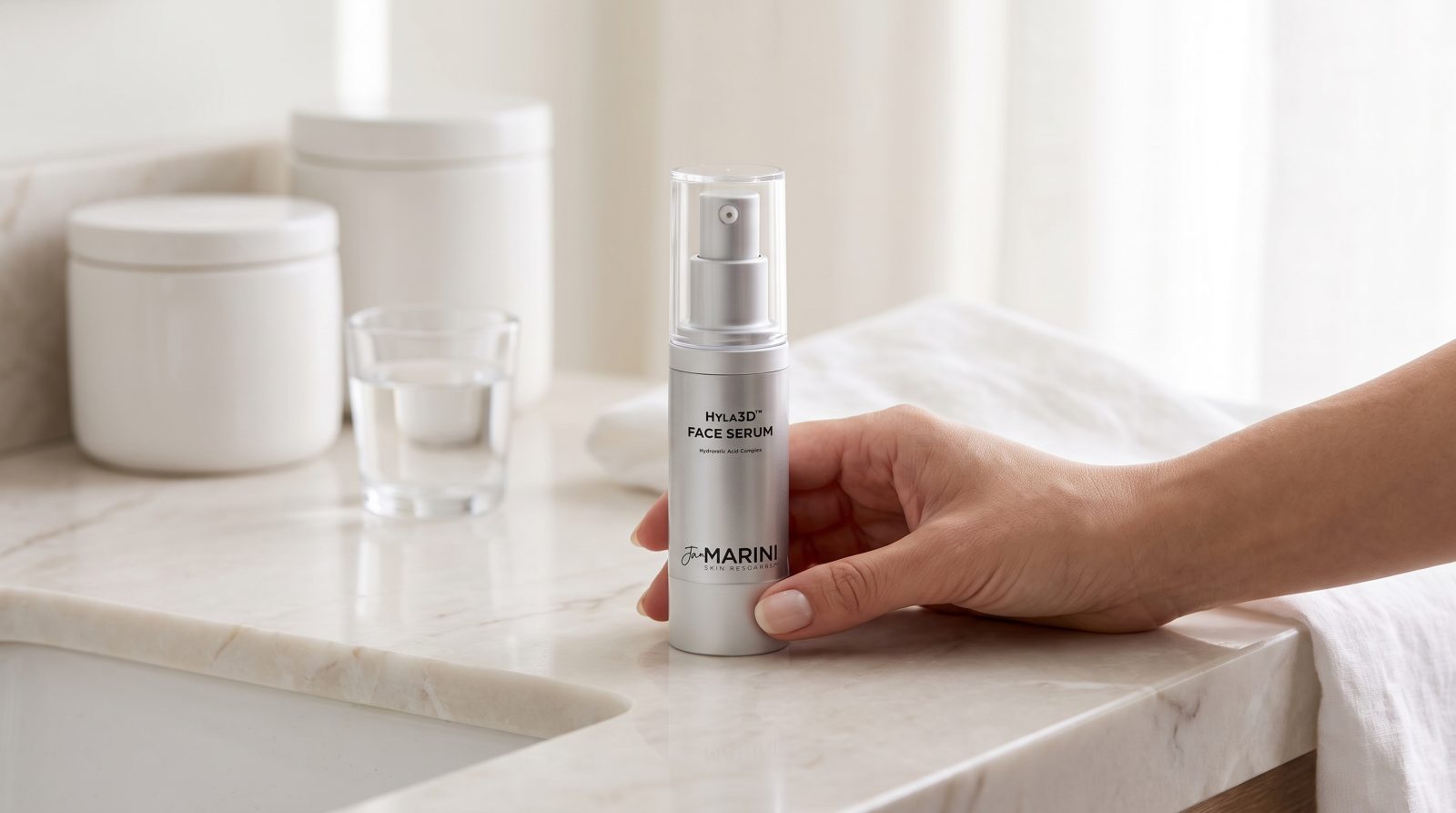
Jan Marini UK: The Complete Brand Guide
Your expert guide to Jan Marini in the UK: the science, hero products like Peptide Extreme and Hyla3D, and how to build a routine. Shop the range at Skintique.
Read article
UK Skincare Ingredient Trends 2026: What Britain Is Searching
We analysed UK Google search demand across skincare's key actives. Collagen still leads, azelaic acid has overtaken hyaluronic acid, and regenerative ingredients like polynucleotides are going mainstream.
Read article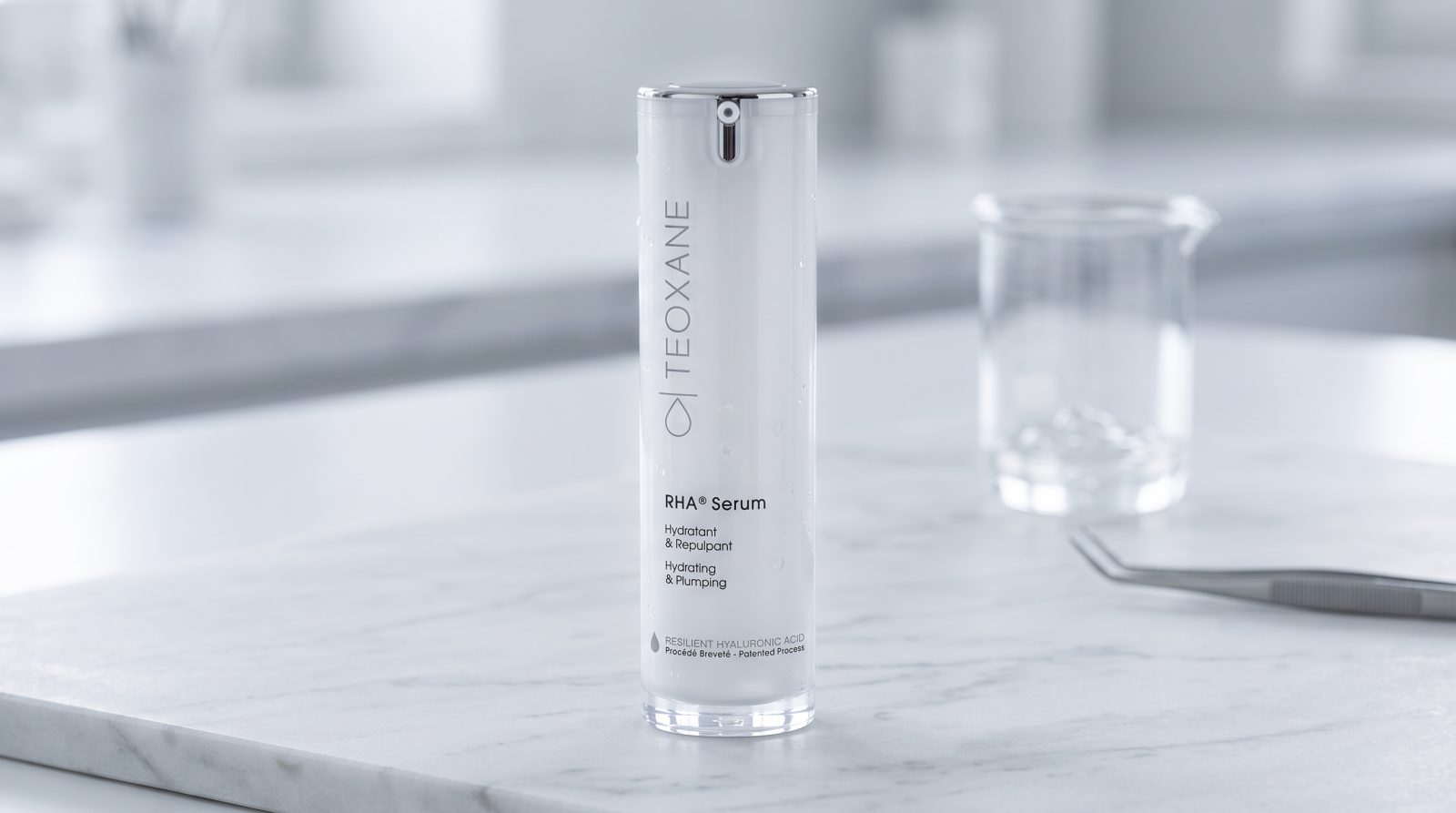
Teoxane UK: The Complete Brand Guide
Discover Teoxane UK: Swiss RHA skincare from the filler experts. Learn the science, hero products and how to build a routine. Shop the range at Skintique.
Read article
Best Serums for Dry Skin: A UK Buying Guide
Discover the best serums for dry skin — hyaluronic acid, ceramides & humectants explained, plus how to layer and seal for lasting hydration.
Read article
Dry Skin: How to Build the Right Routine (UK Guide)
Dry skin lacks oil, not just water. Learn how to spot it and build a simple AM/PM routine with humectants, ceramides and the right moisturiser.
Read article
Best Face Masks UK: A Buyer's Guide by Mask Type
"Best face mask" is really four different questions. This Academy guide compares clay, hydrating, enzyme and soothing masks, explains which concern each one suits, how often to use them, and exactly where a mask belongs in your routine.
Read articleLearn More About Skincare Ingredients
Explore our comprehensive ingredient glossary to understand what's in your products.
Browse All IngredientsShop Our Products
Find professional skincare solutions at Skintique.