
Oily Skin
Balancing care for sebum-prone skin
Reviewed by Kate · Last updated 20 Aug 2026
How to Identify Oily Skin
Oily skin occurs when sebaceous glands produce excess sebumthe waxy, lipid-based substance that naturally protects and hydrates skin. While often frustrating, oily skin has a significant advantage: it tends to age more slowly, with fewer fine lines and wrinkles compared to drier skin types.
What Causes Oily Skin?
Genetics
Sebaceous gland size and activity are largely inherited. If your parents have oily skin, you likely will too.
Hormones
Androgens stimulate sebum production. Fluctuations during puberty, menstruation, pregnancy, and menopause affect oiliness.
Climate & Environment
Hot, humid weather increases sebum production. Pollution can also trigger excess oil as a protective response.
Incorrect Skincare
Over-cleansing or using harsh products strips natural oils, triggering rebound oil production.
Best Ingredients for Oily Skin
Niacinamide
Regulates sebum production, minimises pore appearance, strengthens skin barrier
Zinc
Anti-inflammatory, regulates oil production, helps prevent breakouts
- Heavy oils (coconut, mineral oil) - can clog pores
- Thick, occlusive creams - may trap sebum
- Alcohol-based toners - strip skin, causing rebound oiliness
- Comedogenic ingredients - check labels for "non-comedogenic"
Recommended Routine
Morning
- Gel or foam cleanser
- Niacinamide serum
- Oil-free, lightweight moisturiser
- Mattifying SPF 30+
Evening
- Oil cleanser (to remove SPF)
- Gel or foam cleanser
- Salicylic acid or retinoid (alternate nights)
- Lightweight gel moisturiser
Pro Tips for Oily Skin
Explore Oily Skin in Depth
- How to build a oily skin routine
- Does Oily Skin Need Moisturiser? The Best Lightweight Options
- The Best Sunscreen for Oily and Acne-Prone Skin
- How to Control Oil and Minimise the Look of Large Pores
Shop for Oily Skin
Our specialists lean on oil-balancing, non-comedogenic formulas: browse the niacinamide range, an oil-free option like AlumierMD HydraLight, a broad-spectrum SPF, and gentle exfoliation.
In this guide
Short, practical reads on Oily Skin — tap any topic for the full guide.

Oily Skin: How to Build the Right Routine (UK Guide)
How to build a routine for oily skin: balance oil and keep pores clear without stripping, using niacinamide, salicylic acid (BHA) and oil-free hydration.
Read the guide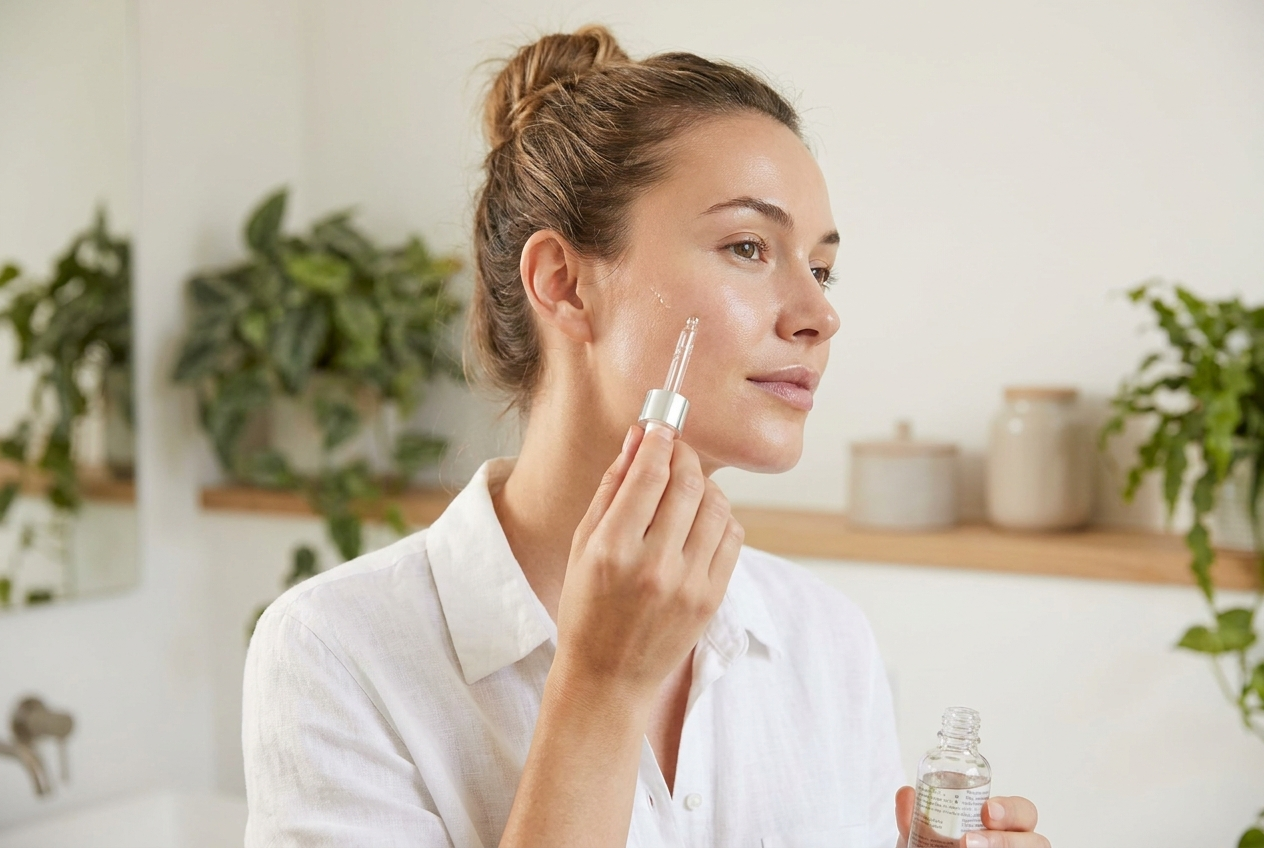
How to Control Oil and Minimise the Look of Large Pores
Shine returning by mid-afternoon and pores looking larger? How to control oil and minimise the look of large pores, calmly and consistently.
Read the guide
Does Oily Skin Need Moisturiser? The Best Lightweight Options
Yes — skipping moisturiser can push oily skin to make more oil, not less. The best lightweight, oil-free formulas to keep skin balanced.
Read the guide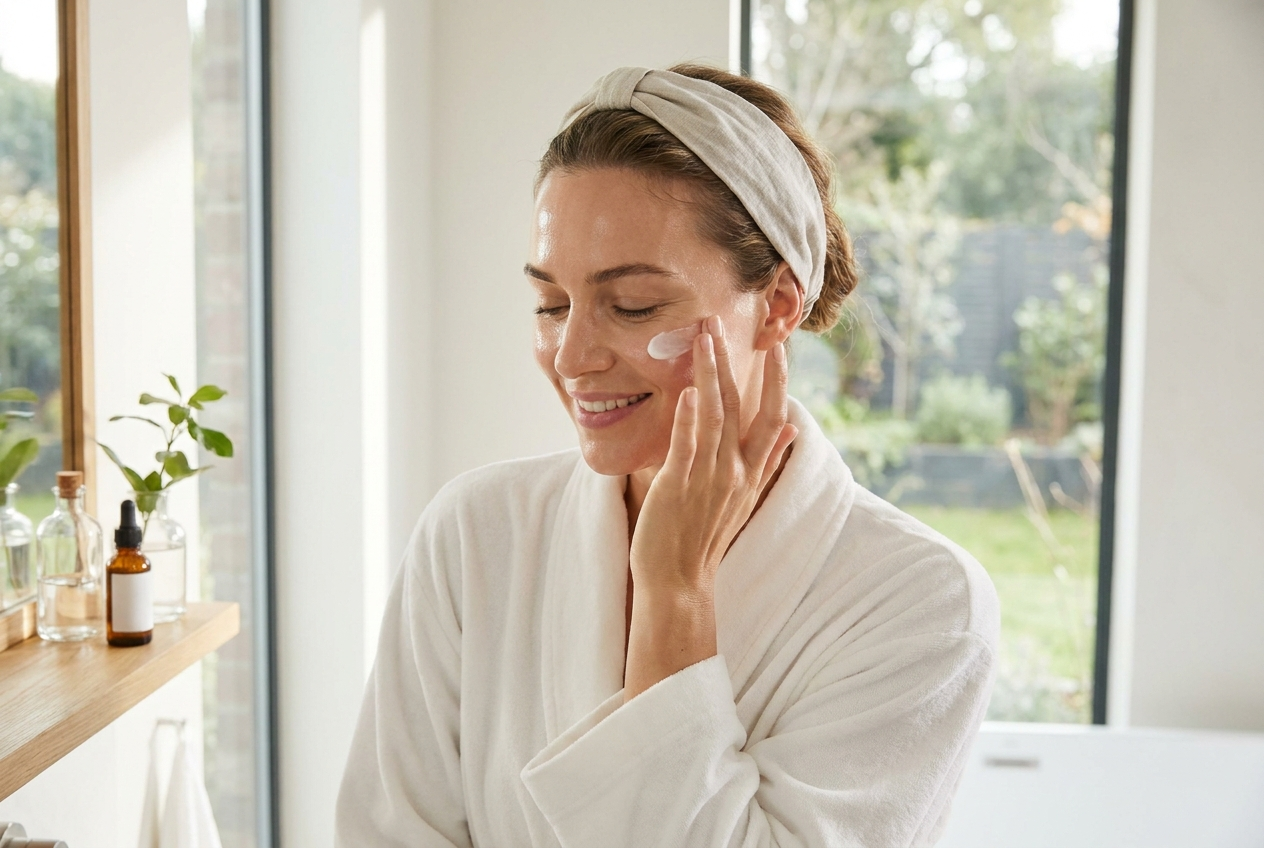
The Best Sunscreen for Oily and Acne-Prone Skin
The best sunscreens for oily and acne-prone skin: lightweight, non-greasy SPF that sits comfortably and won't clog pores or slide off.
Read the guide
Double Cleansing: What It Is and Who Needs It
What double cleansing is, who benefits most, how to do it in two simple steps, and when a single cleanse is all you need. A clear, no-fuss UK guide.
Read the guideNot sure where to start?
Take our free skin type test to get routine and ingredient recommendations tailored to your skin.
Find Your Skin TypeNeed Personalised Advice?
Our skincare specialists can help you develop a treatment plan tailored to your specific needs.