
Kaolin
Reviewed by Rosie · Last updated 18 Aug 2026
Also known as: China Clay, Clay
Naturally occurring clay mineral famously used in cosmetics for its absorbent properties | Particularly popular in facial masks targeted at reducing skin’s surface oil
At a glance
Addresses
EWG Safety Score


What Is Kaolin?
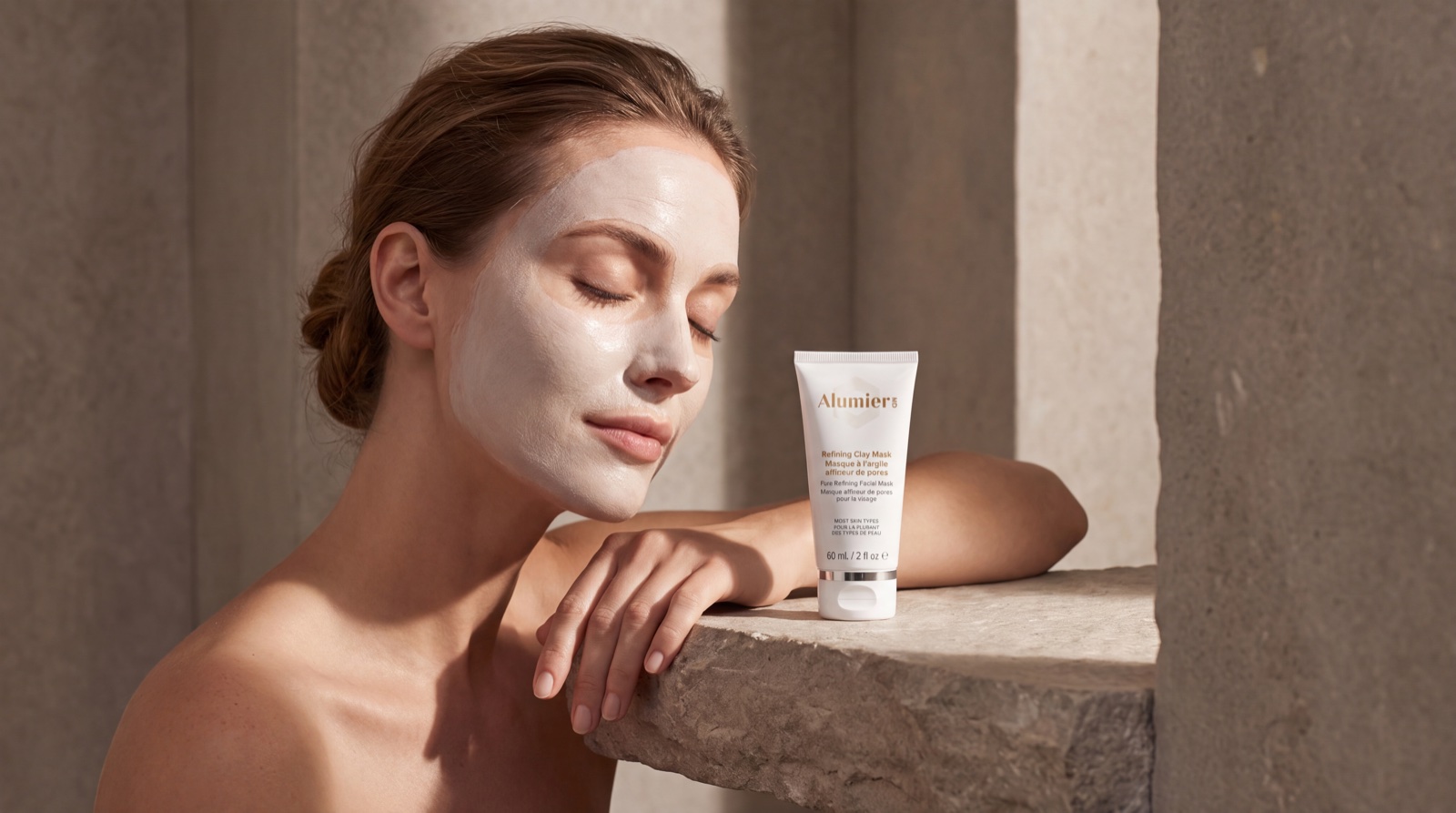
Kaolin is a naturally occurring clay mineral famously used in cosmetics for its absorbent properties. It is particularly popular in facial masks targeted at reducing skin’s surface oil. While its absorbent properties are helpful for those with oily skin, it can be drying for other skin types (especially if used in very high amounts). To avoid this issue, some formulators pair kaolin with hydrating/soothing ingredients which work to offset some of its absorbency so skin benefits without feeling dry or tight.
Kaolin’s other reported cosmetic functions include as an anticaking agent, bulking agent, and opacifying agent.
Depending on how it’s supplied and what it’s formulated with, kaolin can also function as an abrasive agent. As a raw material, kaolin is a soft, white clay comprised predominantly of kaolinite, a hydrated aluminum silicate. According to the Personal Care Council, “Kaolin is extracted from kaolinized granite by washing it out with powerful and remote water hoses. The clay stream is then pumped to the separation plant where sand and mica are removed. The purified clay is filtered when wet and then dried. The very fine powder is formed by milling.”
Purified kaolin has a long history of safe use in cosmetics. Further supporting its safety, kaolin has been generally recognized as safe (also known as GRAS status) by the US FDA as a direct food additive.
Kaolin is also sometimes referred to as “China Clay.”
Benefits for Your Skin
Clinical Evidence & References
Published Research
-
Molecules, August 2016, pages 1–20 [https://www.mdpi.com/1420-3049/21/8]
-
The Journal of Clinical and Aesthetic Dermatology, December 2013, pages 19–27 [https://pmc.ncbi.nlm.nih.gov/articles/PMC3997205/]
-
Complementary Medicine Research, April 2012, pages 75–79 [https://karger.com/fok/article-abstract/19/2/75/356423]
-
International Geology Review, July 2010, pages 745–770 [https://www.tandfonline.com/doi/abs/10.1080/00206811003679737]
-
International Journal of Toxicology, 2003, pages 37–102 [https://journals.sagepub.com/doi/pdf/10.1177/1091581803022S115]
How widely it's used
Regulatory information
Standardised cosmetic-ingredient identifiers used by regulators.
Show identifiers
- INCI Name
- KAOLIN
- INN Name
- kaolin
- EC Number
- 310-194-1
- Pharmacopoeia Name
- kaolinum
- Function
- Abrasive, Absorbent, Anticaking, Bulking, Cosmetic Colorant, Opa CI Fying
Frequently Asked Questions
From the Clinic
Not sure what your skin actually needs?
Two minutes, a few questions, and we’ll point you at what matters — no guesswork.
Take the skin quizOther forms of Kaolin
These appear on ingredients lists under different names but are the same substance. Kaolin is the common form.
Related Ingredients
China Clay
Naturally occurring clay mineral famously used in cosmetics for its absorbent properties
Kaolin Clay
Gentle white clay for all skin types
Java Tea Extract
Southeast Asian botanical for detoxifying and clarifying skin
Juglans Regia Seed
A finely textured physical exfoliant derived from walnut seed
Juglans Regia Shell Powder
A natural exfoliating powder derived from walnut shell fragments
Krameria Triandra Root Powder
A plant-derived powder that gently buffs away dead skin cells
Articles About Kaolin
Learn more about this ingredient with our expert guides and articles.
Learn More About Skincare Ingredients
Explore our comprehensive ingredient glossary to understand what's in your products.
Browse All IngredientsShop Our Products
Find professional skincare solutions at Skintique.