
Rosacea
Managing redness, flushing, and sensitive skin conditions
Reviewed by Kate · Last updated 20 Aug 2026
Signs of Rosacea
Rosacea is a chronic inflammatory skin condition affecting an estimated 1 in 10 people. While there is no cure, understanding triggers and using appropriate skincare can significantly reduce flare-ups and manage symptoms. Rosacea is not caused by poor hygieneit's a complex condition involving blood vessel dysfunction, immune response, and skin barrier impairment.
Persistent redness, flushing, visible blood vessels
Redness with acne-like bumps and pustules
Skin thickening, often on nose (rhinophyma)
Affects the eyes — dryness, irritation, bloodshot appearance
Common Triggers to Avoid
Best Ingredients for Rosacea
Azelaic Acid
Reduces inflammation and redness; safe for rosacea; also treats bumps
Centella Asiatica
Calms inflammation, promotes healing, strengthens barrier
Niacinamide
Reduces inflammation, strengthens barrier; start with low %
Licorice Root
Natural anti-inflammatory with soothing properties
Gentle Routine for Rosacea
Morning
- Lukewarm water or gentle, fragrance-free cleanser
- Azelaic acid (if tolerated)
- Barrier-repair moisturiser
- Mineral SPF 30+ (zinc oxide)
Evening
- Gentle micellar or milk cleanser
- Soothing serum (centella or niacinamide)
- Rich, calming night cream
Managing Rosacea Day-to-Day
In this guide
Short, practical reads on Rosacea — tap any topic for the full guide.
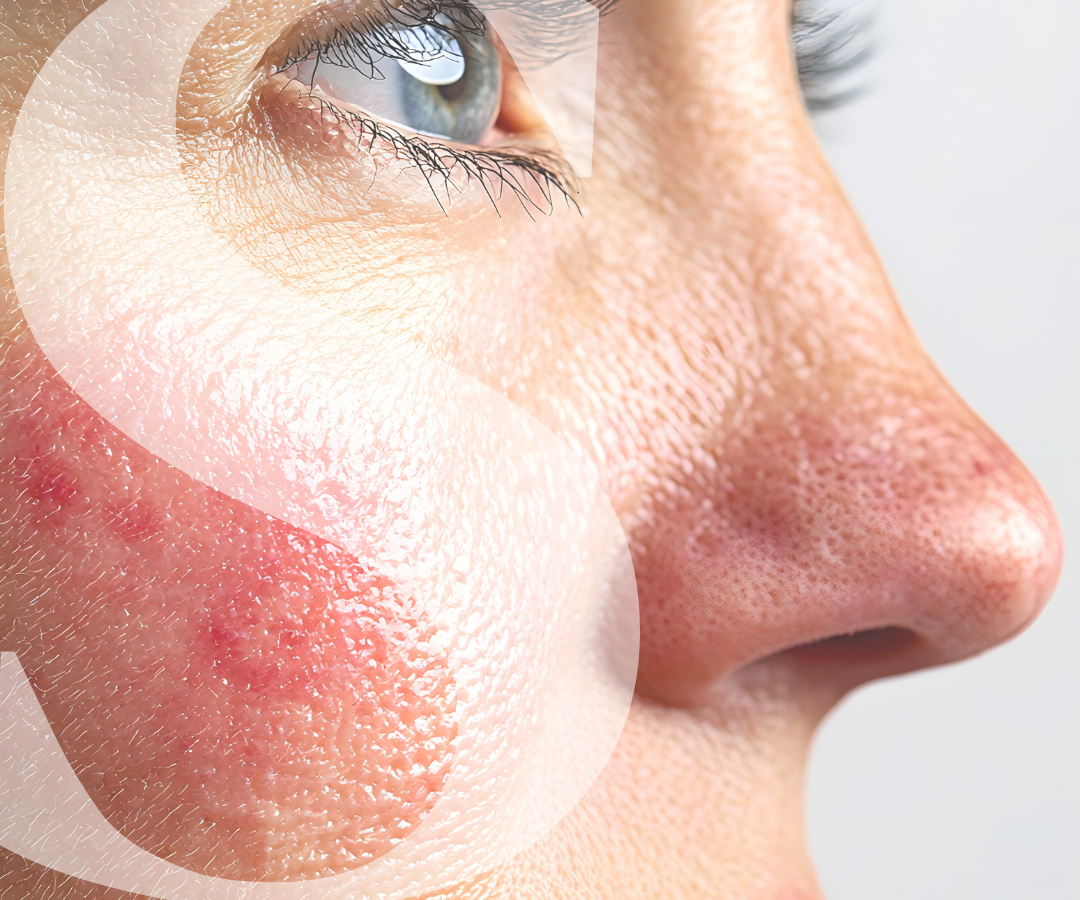
Understanding Rosacea: Causes, Triggers & How to Calm Flare-Ups
Comprehensive guide to understanding and managing rosacea. Learn about triggers, types, and effective skincare strategies.
Read the guide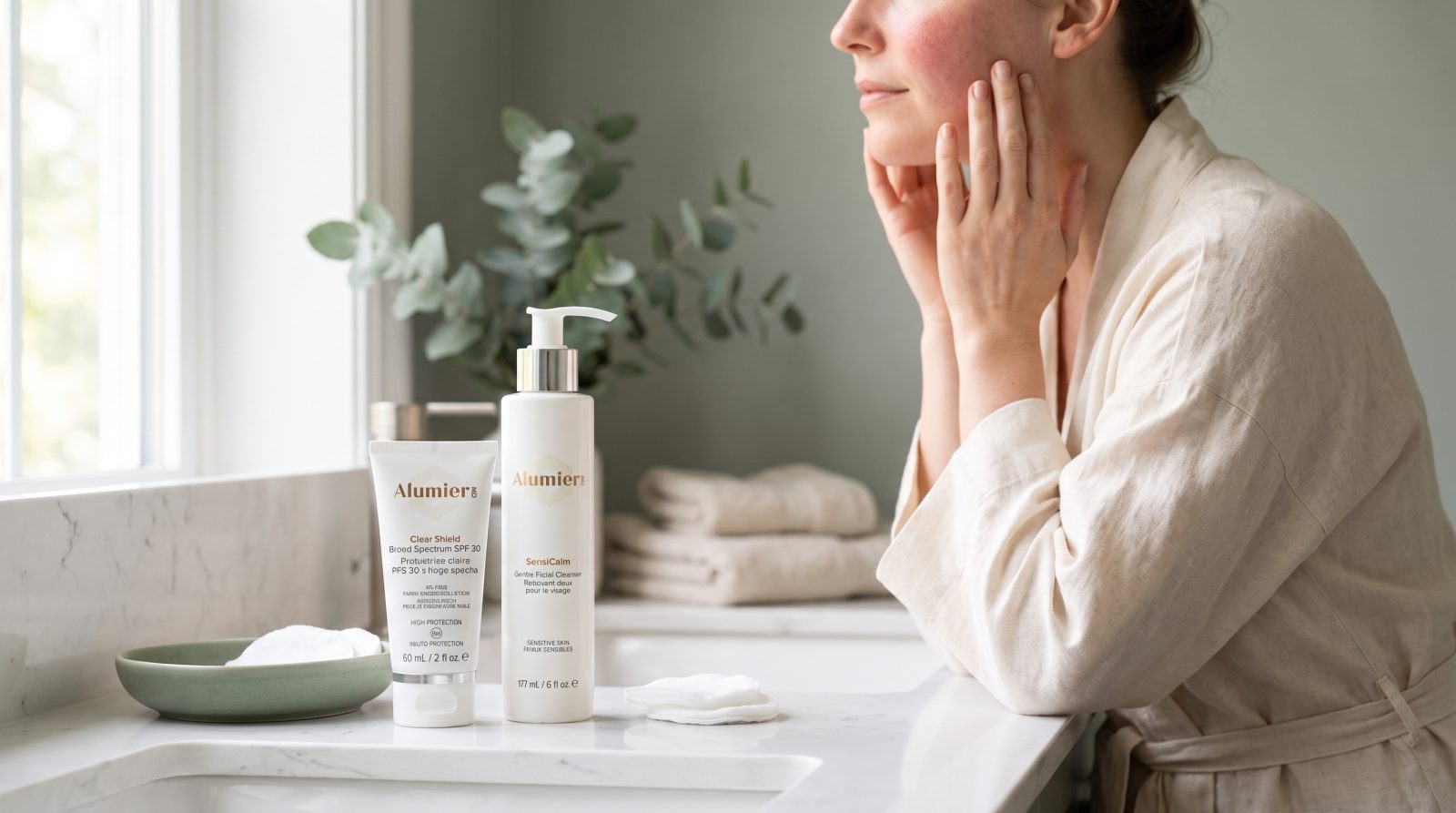
Rosacea Skincare: How to Manage Redness-Prone Skin in the UK
Evidence-based guide to managing rosacea-prone skin: gentle routine, azelaic acid & niacinamide, mineral SPF, and when to see a dermatologist.
Read the guide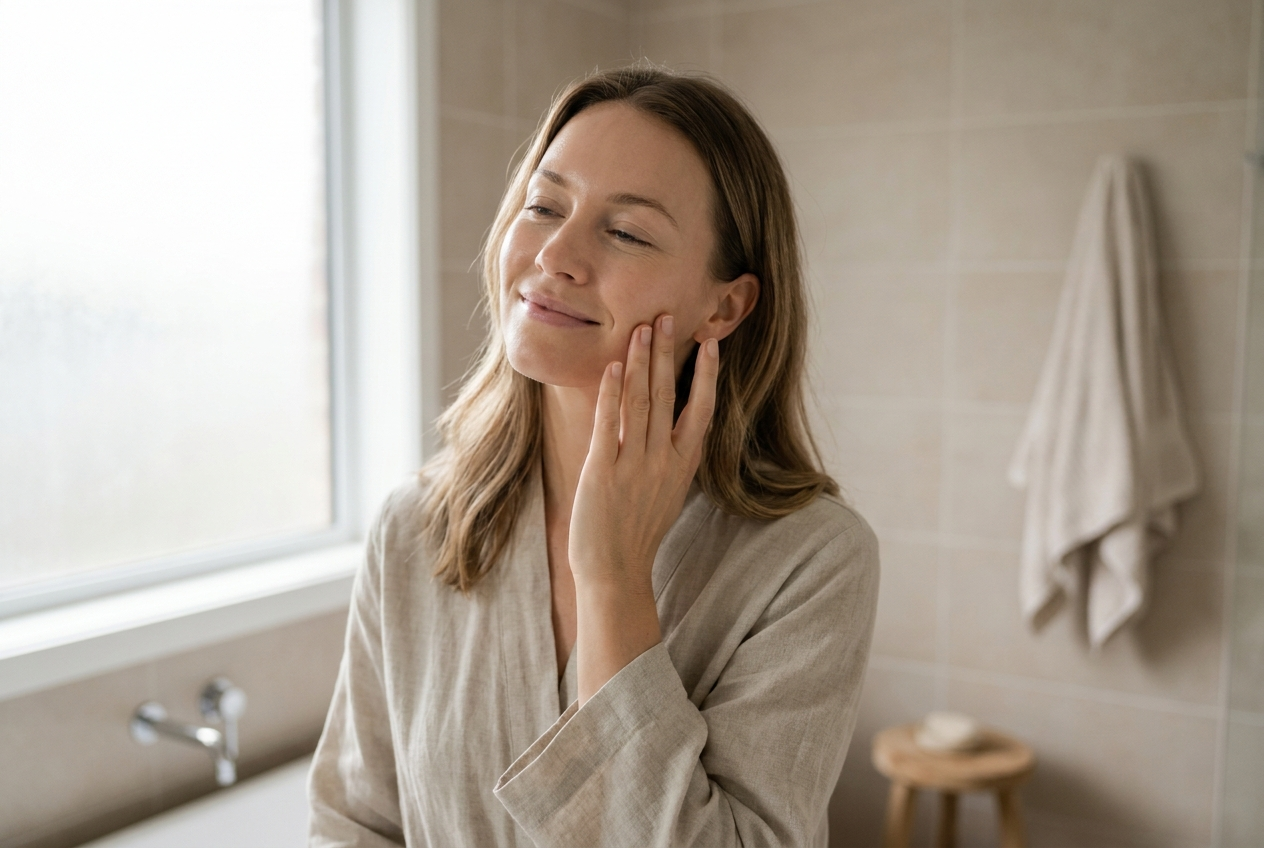
Best Sunscreen for Rosacea (UK): Gentle Mineral SPF for Redness-Prone Skin
The best sunscreen for rosacea is a gentle, mineral SPF 30+ that won't sting or flush reactive skin. Our top tinted and untinted picks, and how to wear them.
Read the guide
Best Moisturiser for Rosacea (UK): How to Choose
How to choose a moisturiser for rosacea-prone skin: the barrier-supporting ingredients to look for, what to avoid, and how to apply it during a flare.
Read the guide
Demodex Mites and Rosacea: The Link, Symptoms and Treatment
Demodex mites are normal skin residents but turn up in far higher numbers in rosacea-prone skin. The real link, the signs, and how it's diagnosed and treated.
Read the guide
Rosacea Diet: Food Triggers, Gut Health and What Helps
Does diet affect rosacea? The best-established food and drink triggers, where dairy and sugar really stand, the gut-skin link, and how to find your own triggers.
Read the guide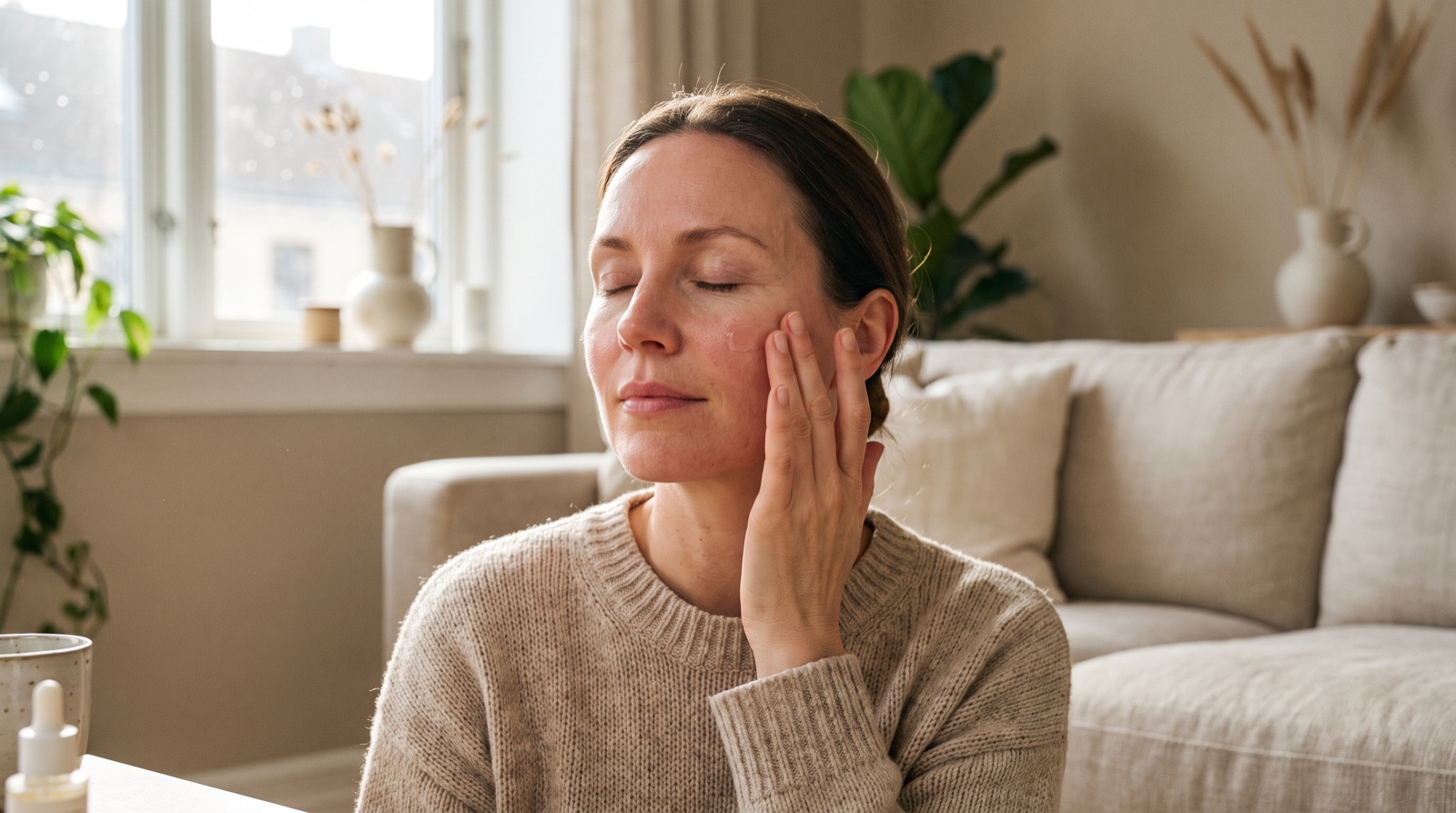
Vitamin C for Rosacea-Prone Skin: Which Type Should You Use?
Key Ingredients for Rosacea
The actives most worth knowing for this concern — tap any to read the full ingredient guide.
Not sure where to start?
Take our free skin type test to get routine and ingredient recommendations tailored to your skin.
Find Your Skin TypeNeed Personalised Advice?
Our skincare specialists can help you develop a treatment plan tailored to your specific needs.