
Licorice Root Extract
INCI: Glycyrrhiza Glabra Root Extract
Reviewed by Daisy · Last updated 14 Aug 2026
Also known as: Glycyrrhiza Glabra Root Extract, Glabridin, Liquiritin
The natural brightener
Best For Skin Types
All skin types
Addresses
Effective Concentrations
1-2%
Usage Frequency
As directed on product packaging
EWG Safety Score
What Is Licorice Root Extract?
Licorice root extract is derived from the Glycyrrhiza glabra plant and is one of the most effective natural brightening ingredients available. Its key active compounds include glabridin and liquiritin, which inhibit tyrosinase activity to reduce melanin production.
Unlike some brightening agents that can be harsh or irritating, licorice root extract is gentle and has soothing, anti-inflammatory properties. This makes it an excellent choice for sensitive skin or those who cannot tolerate hydroquinone.
In addition to its brightening effects, licorice root extract provides antioxidant protection and helps calm redness and irritation. It can help address various forms of hyperpigmentation including sun spots, melasma, and post-inflammatory marks.
Licorice root extract works well in combination with other brightening ingredients like niacinamide, vitamin C, and arbutin for enhanced results. Consistent use over several weeks is needed for visible improvement.
Clinical Evidence & References
Licorice root extract has accumulated a reasonable body of clinical evidence supporting its use as a skin-brightening and anti-inflammatory agent. Its primary active compounds—glabridin and liquiritin—work by inhibiting tyrosinase, the enzyme responsible for melanin synthesis. Studies demonstrate efficacy against hyperpigmentation including melasma and post-inflammatory marks, with the additional benefit of antioxidant and soothing properties that make it suitable for sensitive or irritation-prone skin.
Whilst the evidence base is solid, some limitations warrant consideration. Most published studies involve relatively small sample sizes, and visible results typically require consistent use over several weeks to months. Individual responses vary, particularly depending on skin tone, pigmentation type, and concurrent skincare regimen. Licorice root extract is generally well tolerated, though those with licorice sensitivity should exercise caution. Further large-scale, longer-term trials would help clarify optimal concentrations and timeframes for clinical benefit.
Published Research
-
Licorice (Glycyrrhiza glabra): A phytochemical and pharmacological review Phytotherapy Research, 2016
How to Use
Safety & Precautions
Frequently Asked Questions
From the Clinic
Not sure what your skin actually needs?
Two minutes, a few questions, and we’ll point you at what matters — no guesswork.
Take the skin quizPart of a family
Licorice Root Extract is a variant of Glycyrrhiza Glabra Root Extract, the form you will most often see on an ingredients list.
A plant extract traditionally used to address uneven skin tone and soothe irritation
Related Ingredients
Glycyrrhiza Glabra Root Extract
A plant extract traditionally used to address uneven skin tone and soothe irritation
Glycyrrhiza Glabra Root Oil
A plant-derived oil traditionally used for its soothing and purifying properties
Glycyrrhiza Glabra Root
A traditional plant extract with emerging research into pigmentation and skin conditioning
Glycyrrhiza Glabra Root Water
A plant extract with antioxidant and soothing properties, derived from licorice root
Glycyrrhiza Glabra Leaf Extract
A plant extract traditionally used to soothe and condition the skin
Glycyrrhiza Glabra Root Powder
A plant-derived conditioning agent traditionally used to support skin repair and comfort
Articles About Licorice Root Extract
Learn more about this ingredient with our expert guides and articles.
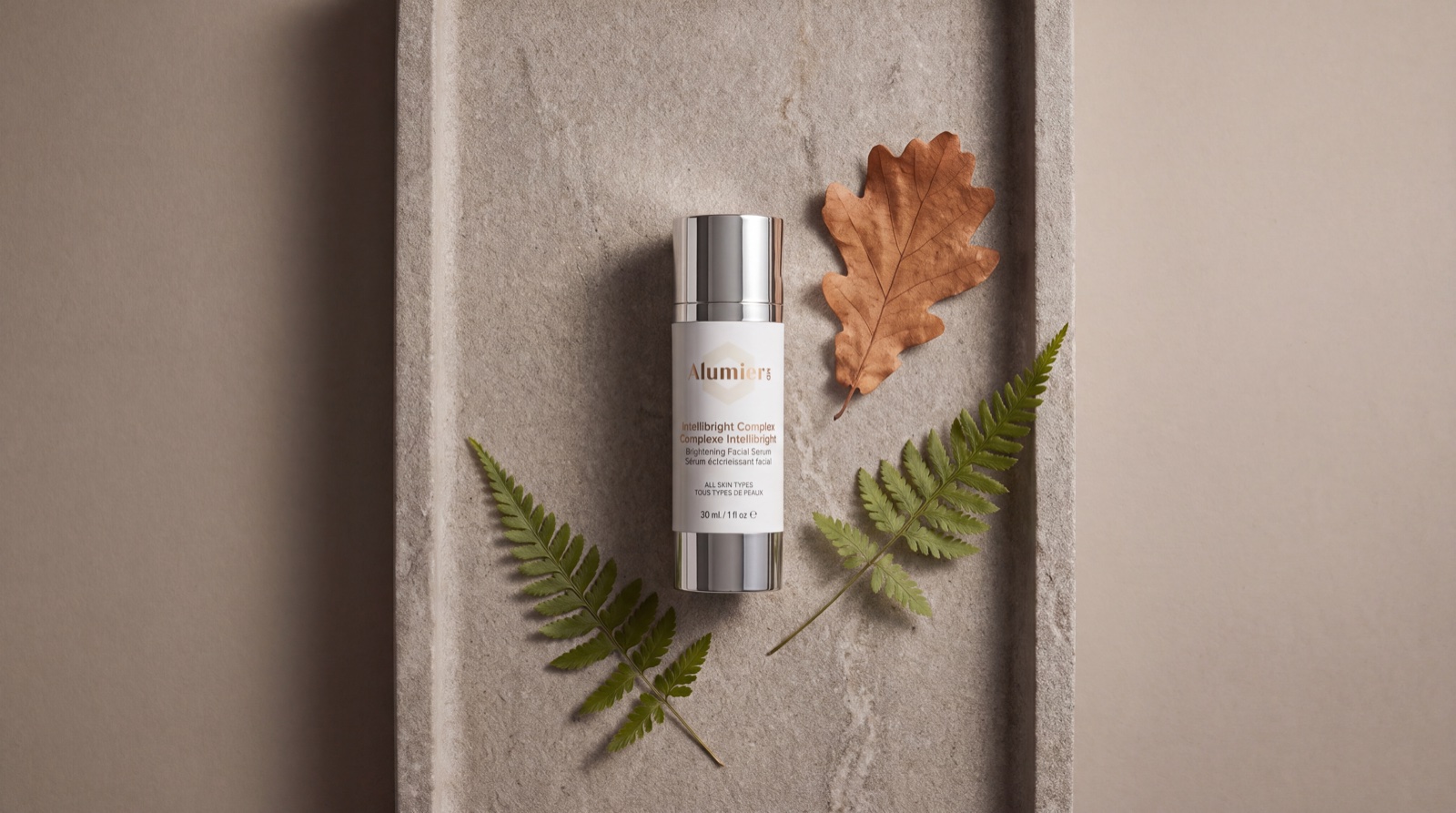
Learn More About Skincare Ingredients
Explore our comprehensive ingredient glossary to understand what's in your products.
Browse All IngredientsShop Our Products
Find professional skincare solutions at Skintique.