
Vitamin C
INCI: Ascorbic Acid
Reviewed by Emma · Last updated 14 Aug 2026
Also known as: L-Ascorbic Acid, Ascorbic Acid, Ascorbyl Glucoside, Ascorbyl Palmitate, 3-O Ethyl Ascorbic Acid, Sodium Ascorbyl Phosphate
A daytime antioxidant that also softens the look of dark marks
Best For Skin Types
All skin types
Addresses
Effective Concentrations
5–20% for L-ascorbic acid; 10–15% suits most people. Derivatives are used at their own, usually lower, ranges.
Usage Frequency
Once daily, morning preferred
EWG Safety Score


What Is Vitamin C?
Vitamin C in skincare almost always means L-Ascorbic Acid, the pure, biologically active form. It is the version with the longest research history behind it, and it is also the most awkward to formulate: it is water-soluble, oxidises readily on contact with light, air and warmth, and needs a low pH to be absorbed properly.
That instability is why the category is full of derivatives. Sodium Ascorbyl Phosphate, Magnesium Ascorbyl Phosphate, Ascorbyl Glucoside, 3-O-Ethyl Ascorbic Acid and Tetrahexyldecyl Ascorbate are all attempts to make vitamin C more stable and more comfortable on skin. They are gentler and keep better, but each has to be converted to ascorbic acid once absorbed, and they are generally considered less potent than a well-made L-ascorbic acid product.
Packaging tells you a great deal. Vitamin C belongs in opaque or dark glass, airless pumps or single-use ampoules, never a clear jar. A serum that has turned deep yellow, orange or brown has oxidised, and while it is not harmful, it is no longer doing much. Some products are supplied as a powder to be mixed fresh for exactly this reason.
Typical strengths run from around 5% to 20% for L-ascorbic acid. Products commonly pair it with vitamin E and ferulic acid, a combination used because those ingredients help stabilise it and complement its antioxidant behaviour.
Reading a vitamin C label takes a little practice. A percentage on the front only means something if you also know which form is being used, since 10% L-ascorbic acid and 10% of a derivative are not comparable. Check the form named in the ingredients list, look at whether the packaging protects it from light and air, and note whether the product is water-based, which suits ascorbic acid, or anhydrous, which is how the oil-soluble derivatives are usually kept stable. Those three details tell you more than the headline figure.
Benefits for Your Skin
How It Works
Vitamin C is an antioxidant, and that is its primary job. Daylight, pollution and ordinary metabolism all generate free radicals in skin, unstable molecules that damage cell structures and contribute over time to the look of ageing and uneven tone. Ascorbic acid donates electrons to neutralise them before that damage accumulates. This is why it is a morning ingredient: it works alongside sunscreen, mopping up what gets through rather than filtering light itself.
It has a second, quite separate role in collagen production. Ascorbic acid is a required cofactor for the enzymes that stabilise newly made collagen, meaning the skin cannot properly build and maintain that supporting structure without it. This is a genuine biochemical requirement rather than a marketing claim, and it underlies the association between vitamin C and firmer, smoother-looking skin over the long term.
Its effect on the look of pigmentation comes from a third route: it interferes with tyrosinase, the enzyme that governs melanin production. That slows the formation of new pigment, so existing marks look gradually less defined while fresh ones are less likely to form. All three effects depend on the vitamin C actually reaching the skin in an unoxidised state, which is why formulation, pH and packaging matter as much as the percentage on the front of the bottle.
Clinical Evidence & References
Vitamin C (L-ascorbic acid) has accumulated robust clinical support over decades, with numerous randomised controlled trials demonstrating its efficacy as an antioxidant and anti-ageing agent. The ingredient neutralises free radicals from UV exposure and environmental pollution, whilst also promoting collagen synthesis—a key mechanism for maintaining skin firmness and reducing fine lines. Its capacity to inhibit melanin production makes it effective for brightening and reducing hyperpigmentation, effects that are well-documented in peer-reviewed literature.
Stability remains a practical consideration, as L-ascorbic acid—the most potent form—degrades readily in air and light. More stable derivatives such as sodium ascorbyl phosphate and ascorbyl glucoside are widely used and effective, though they require conversion to active vitamin C within the skin. Results typically take 4–12 weeks to become apparent, and individual tolerance varies, particularly in those with sensitive skin. Current evidence supports its role as a foundational antioxidant in skincare regimens, though formulation quality significantly influences clinical outcomes.
Published Research
-
The Roles of Vitamin C in Skin Health Nutrients, 2017
-
Topical Vitamin C and the Skin: Mechanisms of Action and Clinical Applications Journal of Clinical and Aesthetic Dermatology, 2017
-
Vitamin C in dermatology Indian Dermatology Online Journal, 2013
How to Use
Vitamin C is a morning ingredient, and it is more sensitive to how it is stored than almost anything else in a routine.
- When: in the morning, on clean, dry skin, before moisturiser and sunscreen. Using it at night is not harmful, but it wastes the antioxidant benefit.
- Order in the routine: cleanse, vitamin C serum, wait a minute, then moisturiser, then SPF.
- Strength: 10–15% suits most people. 20% is not reliably better and is more likely to sting. If you are sensitive, start at 5–10% or choose a derivative.
- Sunscreen is the other half. Vitamin C supports sun protection; it does not replace it, and the tone benefits disappear without it.
- Pairs well with: vitamin E and ferulic acid, which are commonly included for stability, and with niacinamide, hyaluronic acid and peptides.
- Handle with care alongside: exfoliating acids and benzoyl peroxide, which can make the combination uncomfortable and, in the case of benzoyl peroxide, degrade the vitamin C. Separate them by time of day.
- Retinoids: vitamin C in the morning, retinoid at night is the straightforward arrangement.
- Watch the colour. Pale straw is fine. Deep orange or brown means it has oxidised and should be replaced.
- Store it away from light and heat. A bathroom windowsill is the worst place for it; a cool, dark cupboard is better.
Expect brightness and general radiance within weeks, but give dark marks two to three months.
Safety & Precautions
If you’re pregnant or breastfeeding, please check with us first — hello@skintique.co.uk.
The main practical issue is the low pH that L-ascorbic acid requires. A brief tingle or warmth on application is common; persistent stinging, redness or tightness is not, and suggests the strength or pH is too aggressive for you. If your skin is easily reactive, patch test on the inner forearm for a few days first, apply only to fully dry skin, and consider a gentler derivative such as sodium ascorbyl phosphate. Avoid broken or freshly exfoliated skin.
Frequently Asked Questions
From the Clinic
Not sure what your skin actually needs?
Two minutes, a few questions, and we’ll point you at what matters — no guesswork.
Take the skin quizRelated Ingredients
Vitamin E
An oil-soluble antioxidant that also conditions the skin
Ferulic Acid
A plant antioxidant that stabilises vitamins C and E
Niacinamide
Vitamin B3, and one of the easiest actives to live with
Arbutin
Antioxidant backed by research for fading discolourations and evening out tone Can be derived naturally from plants (typically bearberry) or made synthetically
Azelaic Acid
A gentle multi-tasker for redness, tone and congestion
Retinol
The gold standard anti-ageing ingredient
Articles About Vitamin C
Learn more about this ingredient with our expert guides and articles.

What Is a Vitamin C Serum Actually Doing to Your Skin?
Ask ten people what vitamin C serum does and you’ll get ten different answers — "brightening", "anti-ageing", "for dark spots" — and none of them are wrong exactl
Read article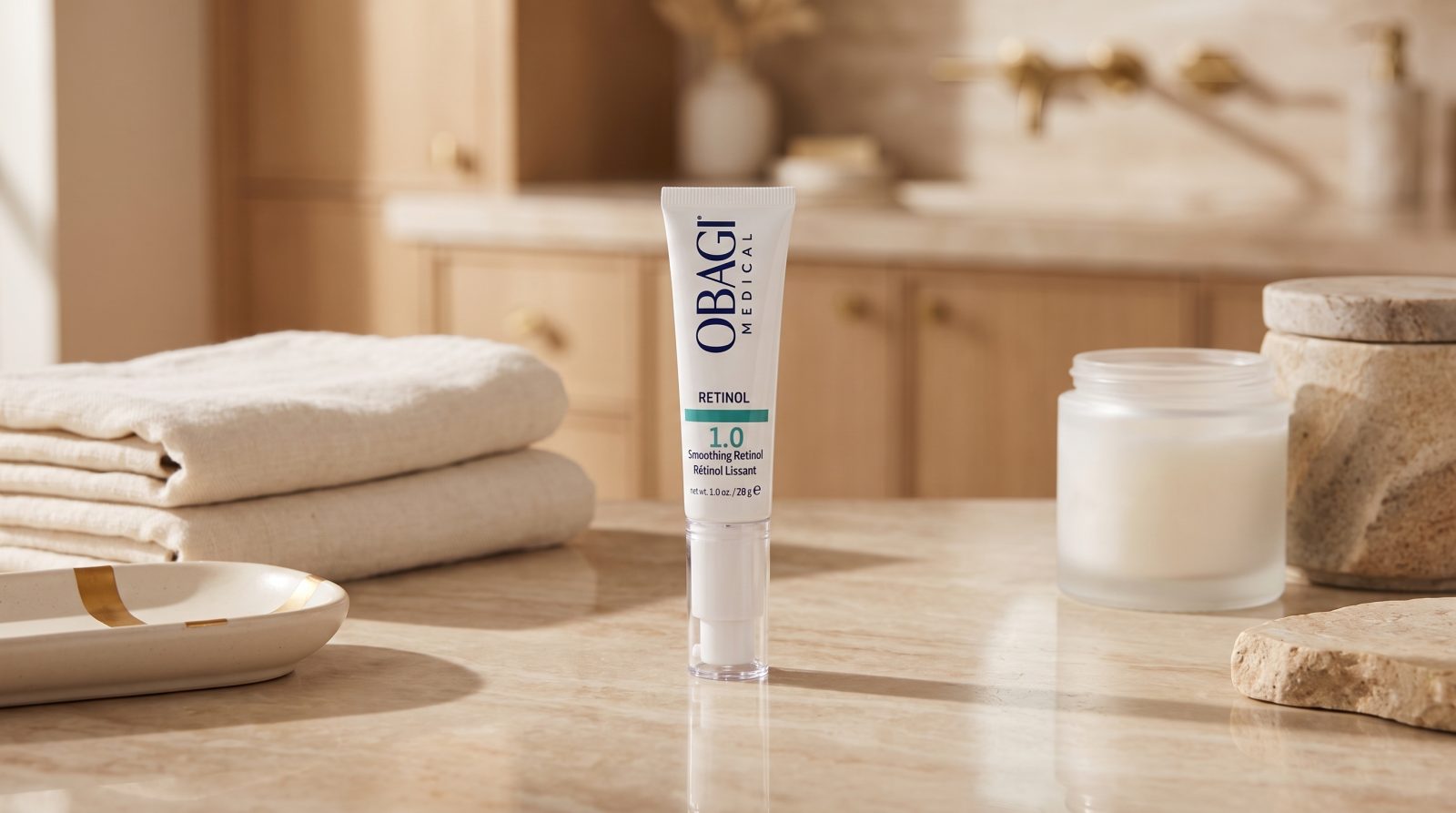
Obagi UK: The Complete Brand Guide
Your UK guide to Obagi: the Nu-Derm System, Professional-C vitamin C and retinol, plus how to choose. Shop genuine Obagi at Skintique, a UK authorised stockist.
Read article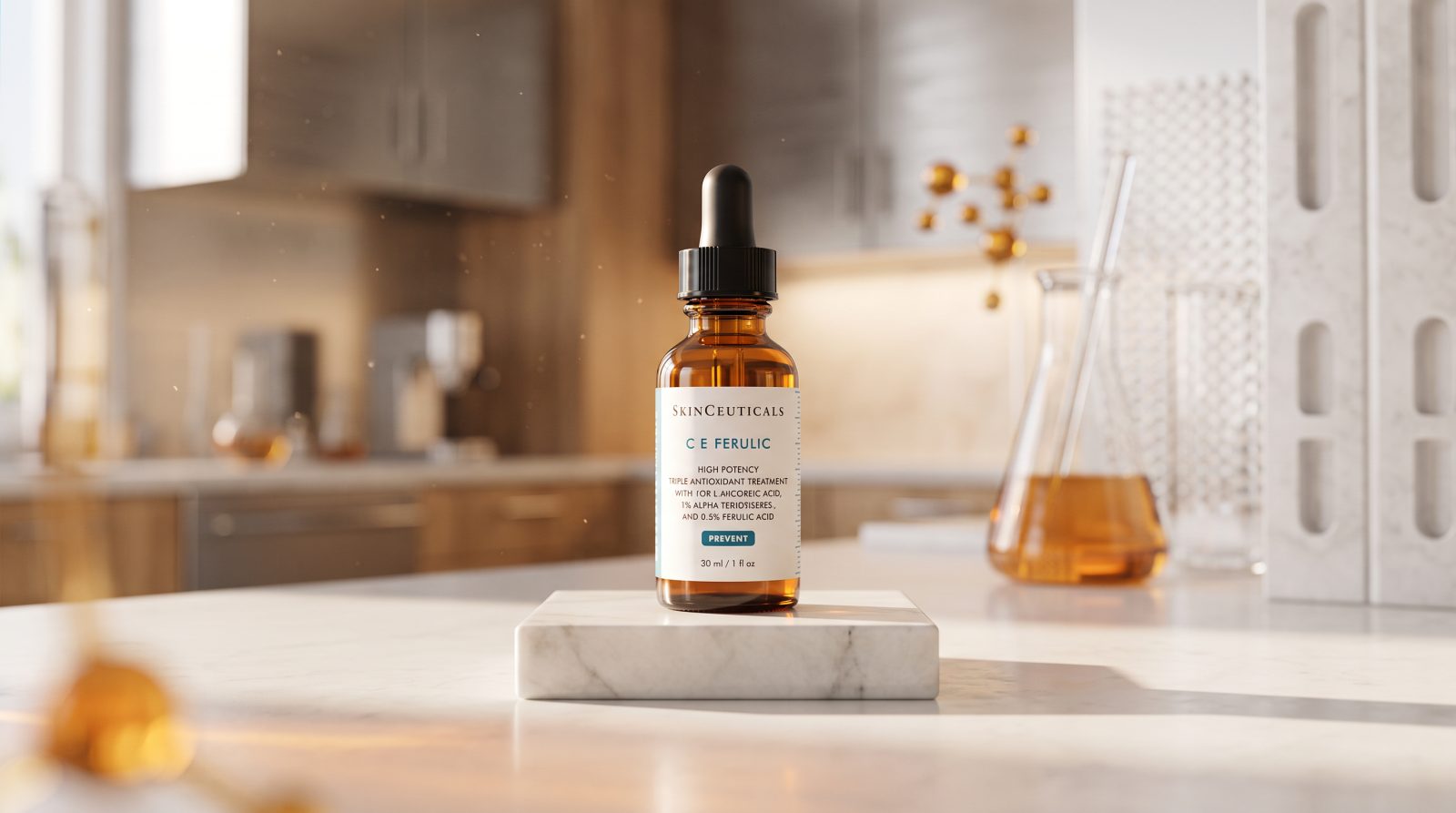
SkinCeuticals UK: The Complete Brand Guide
Your complete guide to SkinCeuticals in the UK: the antioxidant science, hero vitamin C serums like C E Ferulic, and how to choose where to start.
Read article
Mature Skin: How to Build the Right Routine (UK Guide)
How to build a routine for mature skin - retinoids, peptides, vitamin C and daily SPF. A warm, expert UK guide with a simple AM/PM plan and FAQs.
Read article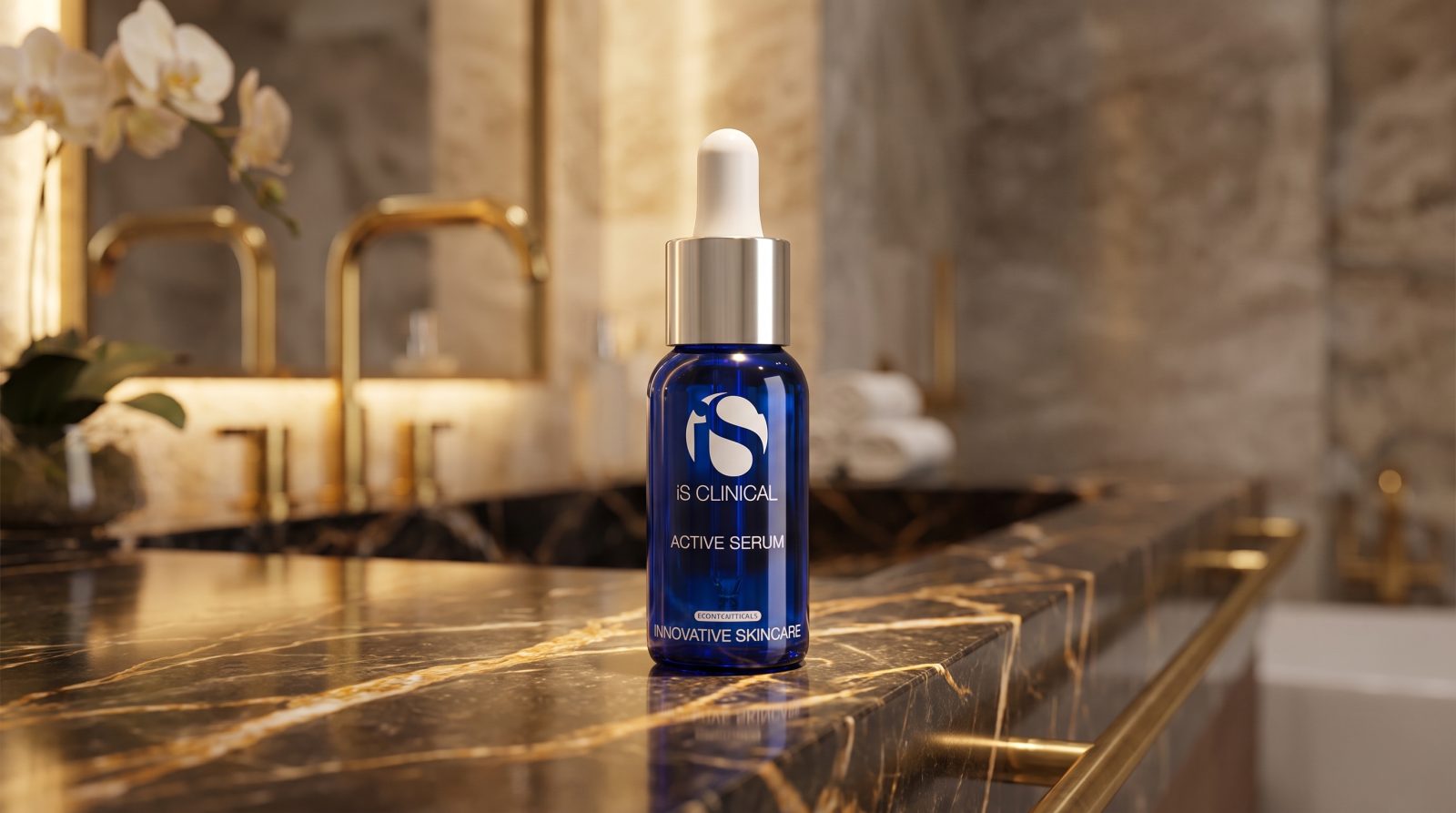
iS Clinical UK: The Complete Brand Guide
Your guide to iS Clinical UK - luxury clinical skincare pairing botanicals with pharma-grade actives. Explore the hero products and where to start with Skintiqu
Read article
Best Products for Hyperpigmentation UK: A Buyer's Guide by Pigment Type and Ingredient
A professional buyer's guide to the best products for hyperpigmentation in the UK, grouped by pigment type and hero ingredient and paired with daily SPF.
Read articleLearn More About Skincare Ingredients
Explore our comprehensive ingredient glossary to understand what's in your products.
Browse All IngredientsShop Our Products
Find professional skincare solutions at Skintique.