
Barrier Repair
Restore and strengthen your skin barrier
Reviewed by Kate · Last updated 20 Aug 2026
Signs of a Compromised Barrier
Your skin barrier is the outermost layer of your skin, and it does a great deal of quiet work. It holds moisture in, keeps irritants and microbes out, and helps your complexion feel calm and comfortable. When it is working well, you rarely notice it. When it is compromised, you tend to notice quickly. This hub explains what the barrier is, why it matters, what wears it down, and how it recovers, so you can make sensible choices rather than reacting to every flare.
What is the skin barrier?
The skin barrier usually refers to the stratum corneum, the top layer of the epidermis. The most helpful way to picture it is a brick-and-mortar wall. The "bricks" are flattened skin cells called corneocytes. The "mortar" between them is a lipid matrix made largely of ceramides, cholesterol and free fatty acids. That mortar is what seals the wall and keeps it flexible.
Flattened skin cells (corneocytes) that form the surface of the wall
A lipid matrix of ceramides, cholesterol and fatty acids that seals and softens
When the lipid matrix is intact, water stays where it belongs and the surface stays supple. When it is depleted, tiny gaps open up, water escapes more easily and the surface becomes reactive. Dermatologists call this water loss trans-epidermal water loss (TEWL). A well-supported barrier keeps TEWL low; a disrupted one lets it climb, which is why compromised skin so often feels dry, tight and easily irritated.
Why does the skin barrier matter?
A well-functioning barrier is the foundation almost everything else sits on. It keeps hydration in, so skin looks plumper and more even. It moderates how your skin responds to the outside world, so day-to-day irritants and weather are less likely to trigger a reaction. And it sets the pace for how well your skin tolerates active ingredients: when the barrier is strong, exfoliating acids, retinoids and vitamin C are far easier to use. When it is weak, the very same products can sting and make things worse. In short, a supported barrier is what lets a routine feel calm and predictable rather than a gamble.
What damages the skin barrier?
Most barrier disruption is self-inflicted and reversible. Because these factors add up, the fix is rarely a single hero product — it is usually about doing less, more gently, for long enough to let the wall rebuild.
Best Ingredients for Barrier Repair
Repair is about giving the barrier the right materials, then getting out of the way. These ingredients help support and strengthen the skin's moisture barrier and are generally well tolerated on tender skin.
Ceramides
Mirror the skin's own lipids; help support and strengthen the moisture barrier
Cholesterol
A key part of the lipid matrix that keeps the wall sealed and flexible
Fatty Acids
Work alongside ceramides and cholesterol to reinforce the mortar
Niacinamide
Helps soothe and reduce the appearance of redness while supporting the barrier
Panthenol
Calming humectant that helps soothe and comfort reactive skin
Glycerin & Hyaluronic Acid
Humectants that draw in water to keep the surface plump and comfortable
Gentle Routine for Barrier Repair
At a high level, repair is about the right conditions and materials, then patience. Strip the routine back, replenish the mortar, and protect the skin while it reseals.
Morning
- Gentle, fragrance-free cleanser (or lukewarm water)
- Supportive moisturiser with ceramides and humectants
- Daytime SPF 30+
Evening
- Gentle cleanser
- Soothing serum (niacinamide or panthenol) if tolerated
- Rich, barrier-supporting moisturiser
While Your Barrier Recovers
When is it more than a damaged barrier?
Barrier care handles a lot, but it is not a substitute for medical advice. If redness, itching, weeping, cracking or persistent flaking do not ease with gentle care — or if you suspect eczema, dermatitis, rosacea or an allergy — speak to your GP or pharmacist. Persistent or diagnosed conditions deserve proper assessment; the NHS and the British Association of Dermatologists are sound starting points for reliable information.
Go deeper on barrier repair
Two practical guides to take you from spotting the problem to fixing it:
- Signs of a damaged skin barrier — the symptom-checker.
- How to repair a damaged skin barrier — the step-by-step routine and timeline.
Barrier-supporting ingredients
Ceramides help support and strengthen the skin's moisture barrier. Learn the science, then shop the edit:
- The role of ceramides and the skin barrier — the ingredient explained.
- Shop ceramide skincare — barrier-supporting formulas.
Reactive, easily-irritated skin? A damaged barrier and sensitivity often go together. See the sensitive skin hub for calming triggers, or the rosacea hub if redness is persistent and may need a GP.
In this guide
Short, practical reads on Barrier Repair — tap any topic for the full guide.

Signs of a Damaged Skin Barrier: How to Know If Yours Is Compromised
A plain symptom-checker for a damaged skin barrier: tightness, stinging, redness, flaking and dehydration — how it happens, a quick self-check and what to do.
Read the guide
How to Repair a Damaged Skin Barrier
A calm guide to supporting a damaged skin barrier: simplify your routine, the ingredients that help, what to stop, and a realistic 2–6 week timeline.
Read the guide
Ceramides for Skin: What They Do and Who Needs Them
What ceramides are, how they hold the skin barrier together and lock in moisture, who benefits most, and how to use them alongside your other products.
Read the guide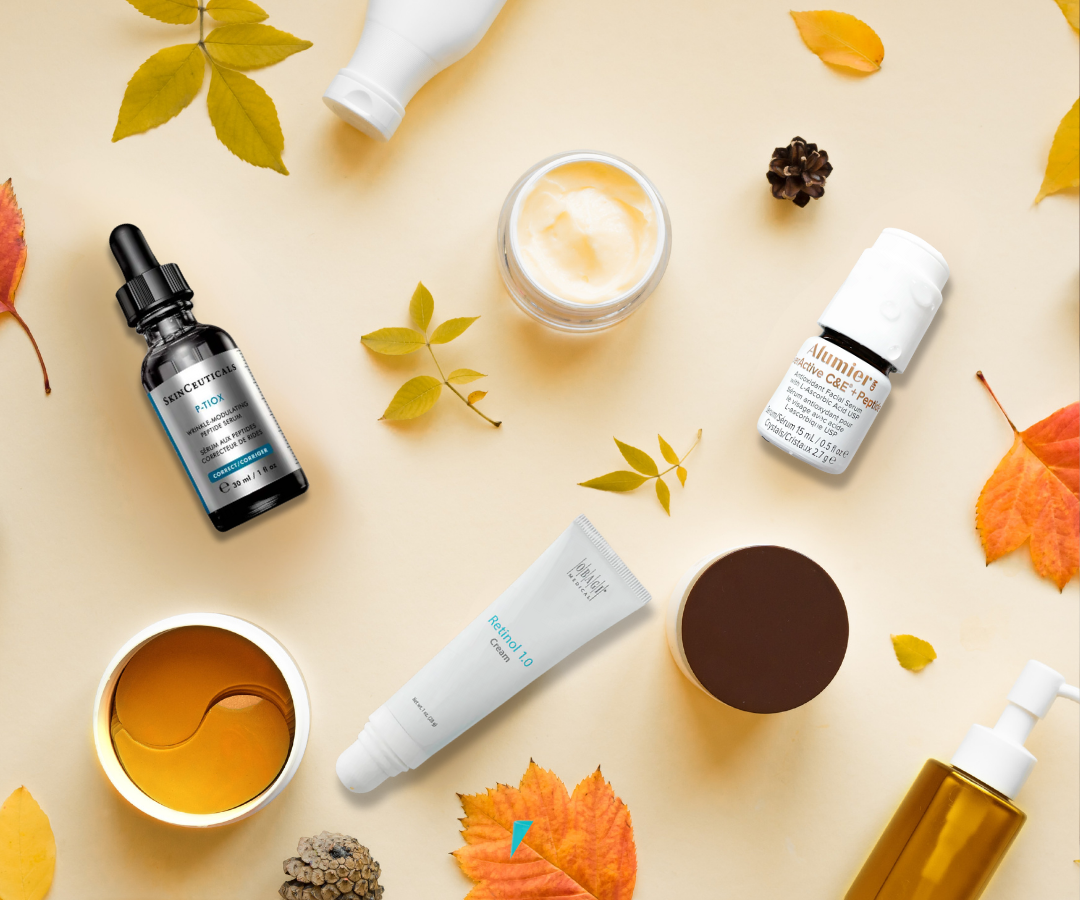
The Skin-Stress Connection: Caring for Your Complexion During Busy Autumn
Navigate autumn skin challenges with expert tips on hydration, barrier repair, and treating summer damage. Adjust your routine for cooler, drier conditions.
Read the guide
The Science of Skin pH: Why Balance Matters
Skin sits at a naturally acidic pH of around 4.5–5.5. Here's why that matters, and how to spot when your routine has knocked it off balance.
Read the guide
Slugging: What It Is, How to Do It, and Who It's For
What slugging is, how sealing in your skincare overnight helps dry and barrier-stressed skin, how to do it safely, and who should skip it.
Read the guideKey Ingredients for Barrier Repair
The actives most worth knowing for this concern — tap any to read the full ingredient guide.
Not sure where to start?
Take our free skin type test to get routine and ingredient recommendations tailored to your skin.
Find Your Skin TypeNeed Personalised Advice?
Our skincare specialists can help you develop a treatment plan tailored to your specific needs.