
Lactic Acid
INCI: 2-hydroxypropanoic acid, (S)-lactic acid, (+)-lactic acid, D-lactic acid, (R)-lactic acid, (−)-lactic acid
Reviewed by Daisy · Last updated 18 Aug 2026
Also known as: 2-hydroxypropanoic acid, (S)-lactic acid, (+)-lactic acid, D-lactic acid, (R)-lactic acid, (−)-lactic acid
A gentler AHA that exfoliates and hydrates at once
At a glance
Things to be aware of
Best For Skin Types
Dry, sensitive skin
Effective Concentrations
5–10% in most leave-on products; 5% is a comfortable starting point. Masks and clinic peels go higher.
Usage Frequency
2-3x weekly initially
EWG Safety Score
Lactic Acid products at Skintique
View all →


What Is Lactic Acid?
Lactic acid is an alpha hydroxy acid, part of the same family as glycolic acid, and the one most often recommended to people who have found glycolic too harsh. It occurs naturally in soured milk, which is where its name and its long folk history come from, though the version used in skincare is produced by fermentation or synthesis rather than extracted from dairy.
The important difference between the two common AHAs is molecular size. Lactic acid is a noticeably larger molecule than glycolic acid, so it does not pass through the surface of the skin as readily. That makes it slower and milder, working more at the surface and less deeply, which is exactly what many people want.
It has a second property that glycolic acid has only weakly: lactic acid is a genuine humectant and part of the skin’s own natural moisturising factor, the mixture of water-binding compounds that keeps the outer layer supple. It therefore draws water into the skin while it exfoliates, which is why it rarely leaves skin feeling stripped in the way stronger acids can.
On an ingredients list it appears as Lactic Acid, sometimes alongside Sodium Lactate, its salt form, which is used purely as a hydrating ingredient rather than an exfoliant. Over-the-counter products usually sit between 5% and 10%, with higher-strength masks and clinic peels going further.
You will find it in toners, serums, overnight masks, cleansers and body lotions, and it is a common choice for dry, dull or mature-looking skin, and for anyone exfoliating for the first time.
Benefits for Your Skin
How It Works
Like all alpha hydroxy acids, lactic acid works by weakening the bonds that hold dead cells to the surface of the skin. Those cells normally shed on their own, but the process slows with age, sun exposure and dry conditions, leaving a build-up that makes skin look dull and feel rough, and causes makeup to sit unevenly. Loosening those bonds allows the surface to renew more evenly, so skin looks brighter and feels smoother.
Its larger molecular size means it does this closer to the surface than glycolic acid does. That is a limitation and an advantage at the same time: less reaches the deeper layers, so the effect on the look of fine lines is more modest, but there is correspondingly less stinging, less redness and a gentler experience overall. For dry or easily reddened skin, that trade is usually worth making.
The hydrating side is genuine rather than a formulation trick. Lactic acid binds water within the outer layer and, with consistent use, appears to support the skin’s own production of the compounds that keep that layer supple. This is the reason skin often looks plumper as well as smoother after a few weeks, and why lactic acid is the AHA of choice when dryness is part of the picture rather than something to be worked around.
It still increases sensitivity to daylight, as all AHAs do, so daily sunscreen remains part of the arrangement.
Clinical Evidence & References
- International Journal of Cosmetic Science, April 2020, pages 116-126
- International Journal of Dermatology, March 2019, ePublication
- Clinical, Cosmetic, and Investigational Dermatology, October 2018, pages 491-497
- International Journal of Dermatology, September 2018, ePublication
- Molecules, April 2018, ePublication
- Journal of the American Dental Association, April 2016, pages 255-263
- Cutis, January 2016, pages E9-E11
- Clinical, Cosmetic, and Investigational Dermatology, November 2010, pages 135-142
- The Journal of Dermatology, January 2006, pages 16-22
Published Research
-
Lactic acid and lactate: metabolism, functions, and significance International Journal of Cosmetic Science, 2018
-
Alpha hydroxy acids in the treatment of signs of photoaging Journal of Geriatric Dermatology, 1996
How to Use
Lactic acid is the sensible starting point for anyone new to exfoliating acids, and often the sensible endpoint too.
- Strength: 5% is a comfortable place to begin. 8–10% suits skin that is already used to acids. Higher-strength masks should be occasional rather than routine.
- Frequency: once or twice a week at first. Many people settle at two or three nights a week, which is plenty.
- When: evening, on clean, dry skin. Wait a minute before the next step.
- Order in the routine: after cleansing, before serums and moisturiser.
- Pairs well with: hyaluronic acid, niacinamide, panthenol, ceramides and squalane. Following it with a good moisturiser makes a noticeable difference.
- Keep apart from: retinoids, vitamin C, benzoyl peroxide, other acids and scrubs on the same evening. Alternate nights instead.
- SPF 30 or above every morning. All AHAs increase sensitivity to daylight.
- Choose it over glycolic acid if your skin is dry, thin, easily reddened or new to acids. Choose glycolic if lactic acid has stopped producing results after a few months.
- On the body, lactic acid lotions work well on rough, dry-looking skin on the arms and legs, where higher strengths are better tolerated.
- Stop if skin feels tight or stings with water. That is over-exfoliation, and the answer is a break and a plain moisturiser.
Safety & Precautions
Lactic acid has a long history in cosmetics and is generally well tolerated at leave-on strengths, but it is still an acid and it does not suit everyone.
- A brief tingle is common. Burning, lasting redness, tightness or flaking means the strength or the frequency is too high — pause and let skin settle before trying again more slowly.
- Avoid broken, cracked, sunburnt, freshly waxed or newly shaved skin, and keep it away from the eye area and lips.
- AHAs can increase skin's sensitivity to sunlight, so daily SPF is not optional while you are using one.
- If your skin is very reactive or easily flushed, or you have a diagnosed skin condition or are using prescription topicals, speak to your GP or a dermatologist first.
- If you are pregnant or breastfeeding, check with your midwife, GP or pharmacist before starting or continuing any acid exfoliant.
How widely it's used
Regulatory information
Standardised cosmetic-ingredient identifiers used by regulators.
Show identifiers
- INCI Name
- LACTIC ACID
- INN Name
- lactic acid
- EC Number
- 200-018-0
- Pharmacopoeia Name
- acidum lacticum
- Function
- Buffering, Humectant, Skin Conditioning
Frequently Asked Questions
From the Clinic
Not sure what your skin actually needs?
Two minutes, a few questions, and we’ll point you at what matters — no guesswork.
Take the skin quizRelated Ingredients
Glycolic Acid
The smallest AHA, and the most researched
Mandelic Acid
The gentle brightener
Salicylic Acid
The oil-soluble acid that works inside the pore
Azelaic Acid
A gentle multi-tasker for redness, tone and congestion
Ceramides
The lipids that hold the skin barrier together
Hyaluronic Acid
A humectant that holds water in the upper layers of skin
Articles About Lactic Acid
Learn more about this ingredient with our expert guides and articles.
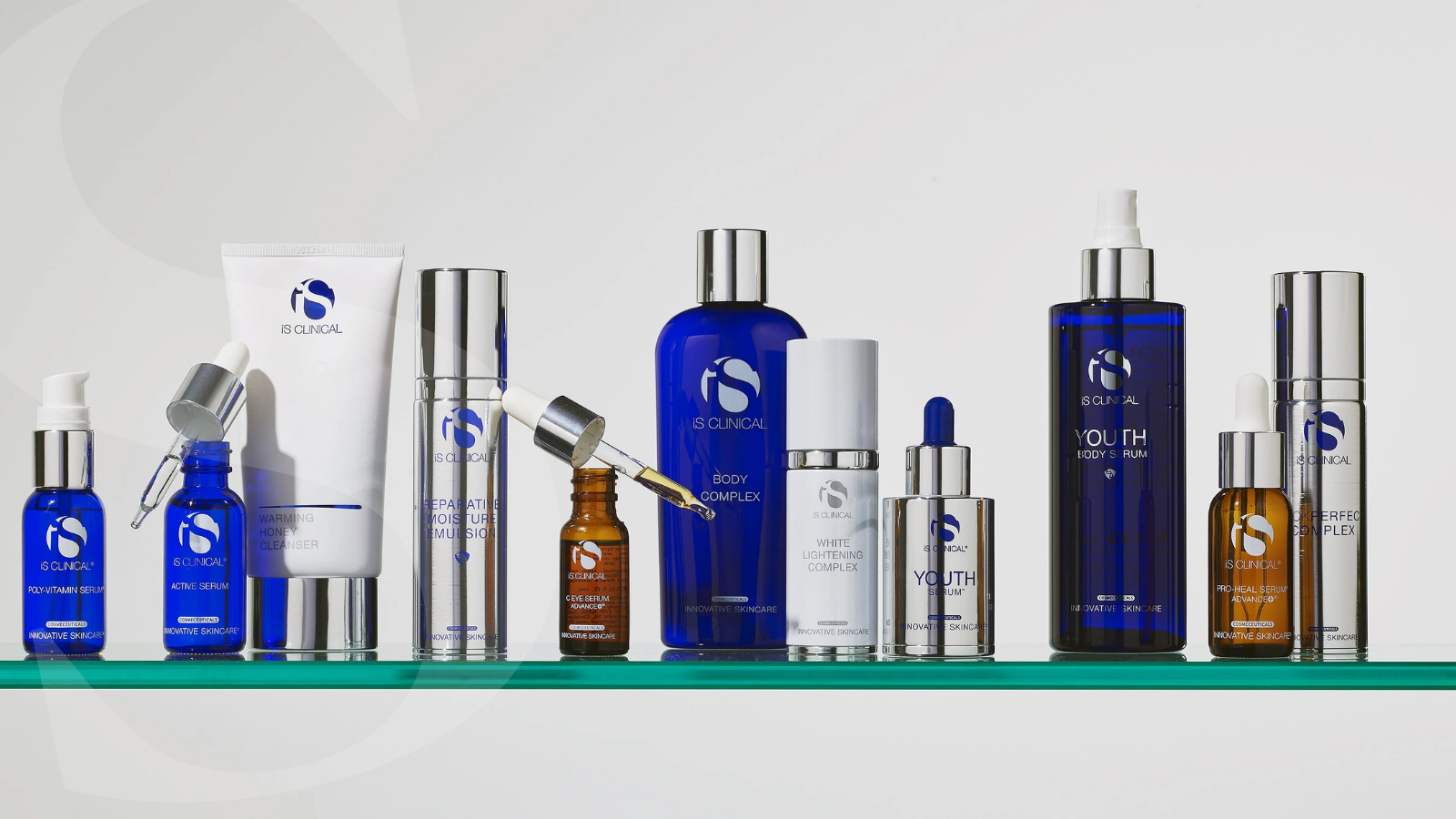
iS Clinical Explained: Science-Led Skincare
Discover iS Clinical’s unique blend of pharmaceutical actives and botanicals. Start your journey with science-backed formulas for transformative results.
Read article
AHAs and BHAs: What They Do, How They Differ, and Which One Your Skin Needs
Alpha hydroxy acids and beta hydroxy acids are two of the most effective categories of exfoliating ingredient available in professional skincare. They're often discussed together, but they work differently, suit different skin types, and shouldn't be chosen interchangeably.
Read article
NeoStrata vs Exuviance: PHA or AHA, and How to Tell
Compare sister brands NeoStrata and Exuviance. Understand the difference between PHA and AHA exfoliation and which brand suits your skin.
Read article
The Ultimate Evening Routine
Perfect your evening skincare routine for maximum overnight repair. Step-by-step guide to PM skincare essentials.
Read article
The Art of Ingredient Layering
Master the art of layering skincare ingredients for maximum effectiveness. Learn the correct order and which ingredients to never combine.
Read article
Preventing and Treating Acne Scars
Learn how to prevent acne scars and treat existing ones with proven ingredients and professional treatments for smoother skin.
Read articleLearn More About Skincare Ingredients
Explore our comprehensive ingredient glossary to understand what's in your products.
Browse All IngredientsShop Our Products
Find professional skincare solutions at Skintique.