
Best For Skin Types
Most skin types
Addresses
Effective Concentrations
0.01–0.1%. Low percentages are normal here: 0.05% retinal is a meaningful strength, not a weak one.
Usage Frequency
Every other night initially, then nightly
EWG Safety Score


What Is Retinal?
Retinal, listed on ingredients labels as Retinaldehyde, is a form of vitamin A that sits one rung above retinol in the retinoid family. Chemically it is the intermediate stage between retinol and retinoic acid, which is the form the skin can actually use. That position is the whole point of it.
Because retinal is already one step further along, the skin has only a single conversion to perform rather than two. Less is lost along the way, so useful amounts are reached at much lower percentages than retinol requires. Products typically sit between 0.01% and 0.1%, and a 0.05% retinal is not a weak product simply because the number looks small next to a 0.5% retinol.
It is a comparatively recent arrival on shop shelves, largely because it is awkward to work with. Retinal is even more sensitive to light and air than retinol, and it carries a natural yellow-orange colour that can tint a cream. Well-made products are packaged in opaque, airless containers, and a change from pale gold to deep brown suggests the product is past its best.
In practice it appears in night serums and night creams aimed at the look of fine lines, uneven tone, rough texture and congestion. It tends to appeal to people who want more than a gentle retinol offers but have found higher-strength retinol uncomfortable.
It is worth being clear about where retinal sits. It is not a prescription product, and it is not simply a stronger retinol. It occupies the ground between the two: closer to the active form than retinol, but still an over-the-counter cosmetic ingredient with the tolerance profile that implies. For most people it is a step to consider once a retinol routine is established and comfortable, rather than a starting point.
Benefits for Your Skin
How It Works
Every retinoid has to become retinoic acid before skin cells can respond to it. Retinol needs two enzyme conversions to get there. Retinal needs one. Fewer steps means less of the applied dose is lost on the way, which is why comparatively tiny percentages of retinal behave like much larger percentages of retinol.
Once retinoic acid is present, the mechanism is the same across the whole family. It binds to receptors inside skin cells that influence gene activity, and through that it adjusts how quickly surface cells are replaced, how evenly pigment is distributed through the upper layers, and how much of the supporting structure beneath is produced and maintained. It is a signalling ingredient, not an exfoliant, even though the eventual effect on texture can look similar.
Retinal is also unusual among retinoids in having some direct antimicrobial activity of its own, independent of the conversion route. That is part of why it is often chosen for skin that looks congested as well as ageing. Its shorter conversion path can mean visible change arrives a little sooner than with retinol, though the same broad expectation applies: think in terms of two to three months of consistent use, not weeks.
Clinical Evidence & References
Retinal (retinaldehyde) has been extensively studied as an intermediate-strength retinoid, with robust clinical evidence supporting its efficacy in addressing both photoaging and acne. The ingredient requires only one enzymatic conversion to become retinoic acid, allowing it to deliver results comparable to prescription retinoids whilst typically causing less irritation than tretinoin. Well-established mechanisms include accelerated cell turnover, enhanced collagen synthesis, and improvement in skin texture and tone. Additionally, retinal demonstrates antibacterial properties effective against acne-causing bacteria, making it suitable for those managing concurrent ageing and breakout concerns.
Evidence indicates that retinal is more stable in formulations than retinol, supporting consistent efficacy. However, individual tolerance varies, and visible improvements generally require 8–12 weeks of consistent use. Most published research involves relatively small cohorts, and long-term safety data beyond several months of application remains limited. For optimal results, gradual introduction and sun protection are advisable, particularly during the adjustment phase when mild irritation may occur.
Published Research
-
Retinaldehyde: a dermatological perspective American Journal of Clinical Dermatology, 2002
How to Use
Retinal is used in the same way as retinol, but the numbers on the bottle mean something different, so read them on their own terms.
- Night only, on clean, completely dry skin. Retinal degrades in daylight.
- Do not translate percentages across. 0.05% retinal is a meaningful strength. Comparing it with 0.5% retinol and assuming it is ten times weaker is the most common mistake people make.
- Start low and infrequent: 0.01–0.05%, two or three nights a week, building up as skin settles.
- Order in the routine: cleanse, watery products, retinal, then moisturiser. Buffering with moisturiser first is a reasonable way in for sensitive skin.
- Pairs well with niacinamide, ceramides, panthenol, squalane and hyaluronic acid.
- Keep apart from exfoliating acids, benzoyl peroxide and scrubs on the same night. Use them on alternate evenings.
- Do not stack retinoids. Retinal, retinol and a prescription retinoid in the same routine is a route to a compromised barrier, not faster results.
- SPF 30 or above every morning, without exception.
- Watch the colour. Retinal is naturally yellow-orange; if a product darkens noticeably or smells sharp, replace it.
Expect the first few weeks to involve some dryness. Persistent stinging, tightness or soreness means you are going too fast.
Safety & Precautions
Frequently Asked Questions
From the Clinic
Not sure what your skin actually needs?
Two minutes, a few questions, and we’ll point you at what matters — no guesswork.
Take the skin quizRelated Ingredients
Tretinoin
Prescription-strength retinoic acid for proven results
Adapalene
A synthetic retinoid used to treat acne and support skin renewal
Hydrogenated Retinol
A stabilised form of vitamin A that converts to active retinoids within the skin
Retinol
The gold standard anti-ageing ingredient
Retinyl Acetate
Synthetic derivative of vitamin A, made from retinol and acetic acid | Converts to retinoic acid more slowly in skin
Retinyl Dimethylglycylprolinate
A stabilised retinoid derivative designed to support skin resilience and address visible signs of photoaging
Articles About Retinal
Learn more about this ingredient with our expert guides and articles.
AlumierMD UK: The Complete Brand Guide
AlumierMD UK explained: clean, medical-grade skincare for pigmentation, acne, rosacea and ageing. Discover the hero SPFs, eye care and where to start.
Read article
Obagi UK: The Complete Brand Guide
Your UK guide to Obagi: the Nu-Derm System, Professional-C vitamin C and retinol, plus how to choose. Shop genuine Obagi at Skintique, a UK authorised stockist.
Read article
Mature Skin: How to Build the Right Routine (UK Guide)
How to build a routine for mature skin - retinoids, peptides, vitamin C and daily SPF. A warm, expert UK guide with a simple AM/PM plan and FAQs.
Read article
Best Retinol Cream UK: How to Choose the Right One for Your Skin
Find the best retinol cream for your skin type. Expert guide to strength, retinol vs retinal, and how to introduce it — UK authorised stockists.
Read article
Skin Tightening Cream: The Best Firming Actives for Face (UK Guide)
Discover the actives with real evidence for skin firmness — peptides, retinoids, vitamin C. Honest, dermatologist-informed guide from Skintique UK.
Read article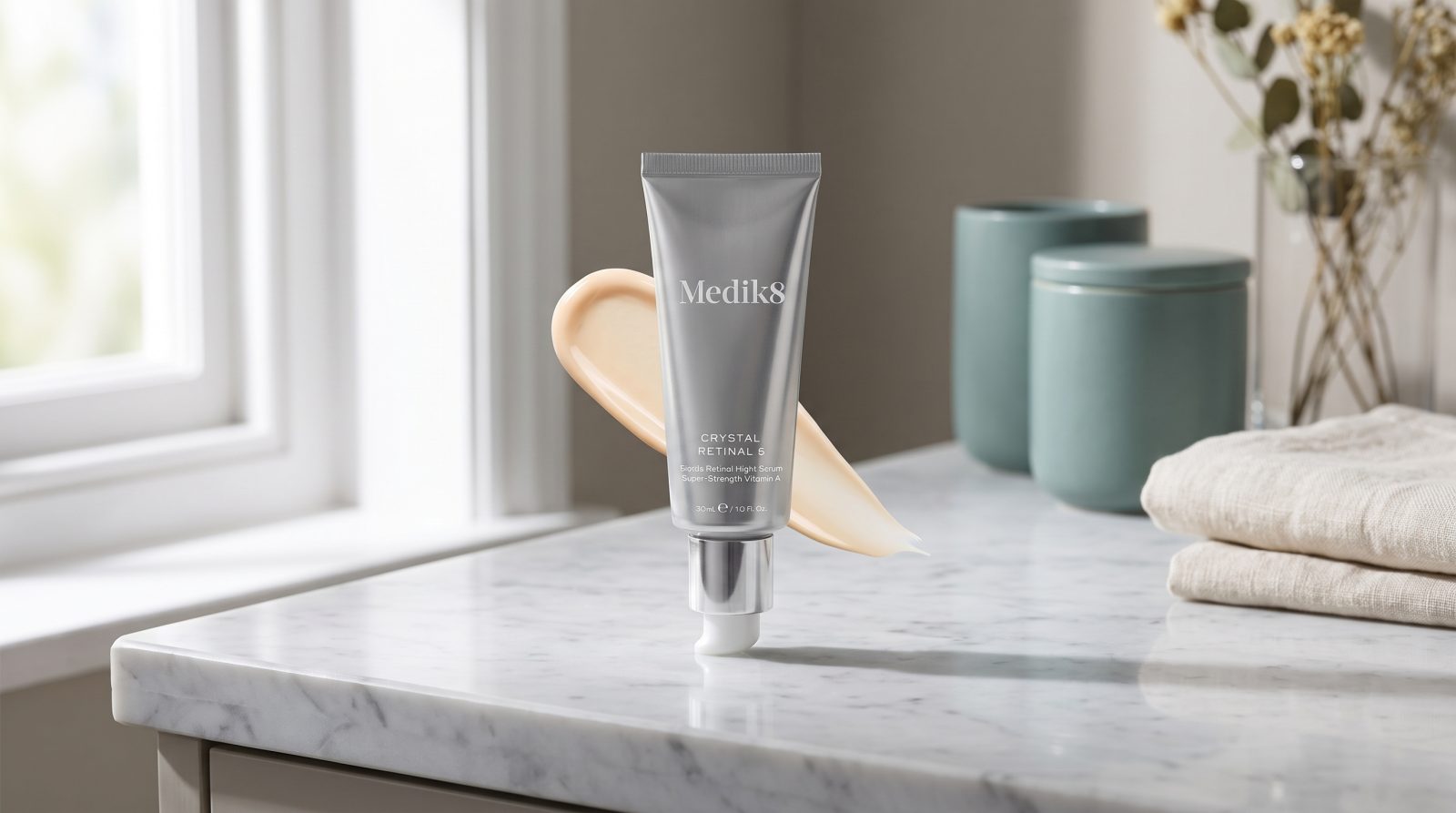
Medik8 UK: The Complete Brand Guide
Your expert guide to Medik8 UK: the science behind its encapsulated retinal, hero products like Crystal Retinal, and how to build a routine. Shop at Skintique.
Read articleLearn More About Skincare Ingredients
Explore our comprehensive ingredient glossary to understand what's in your products.
Browse All IngredientsShop Our Products
Find professional skincare solutions at Skintique.