
Do LED Face Masks Really Work? An Honest Look at At-Home Light Therapy
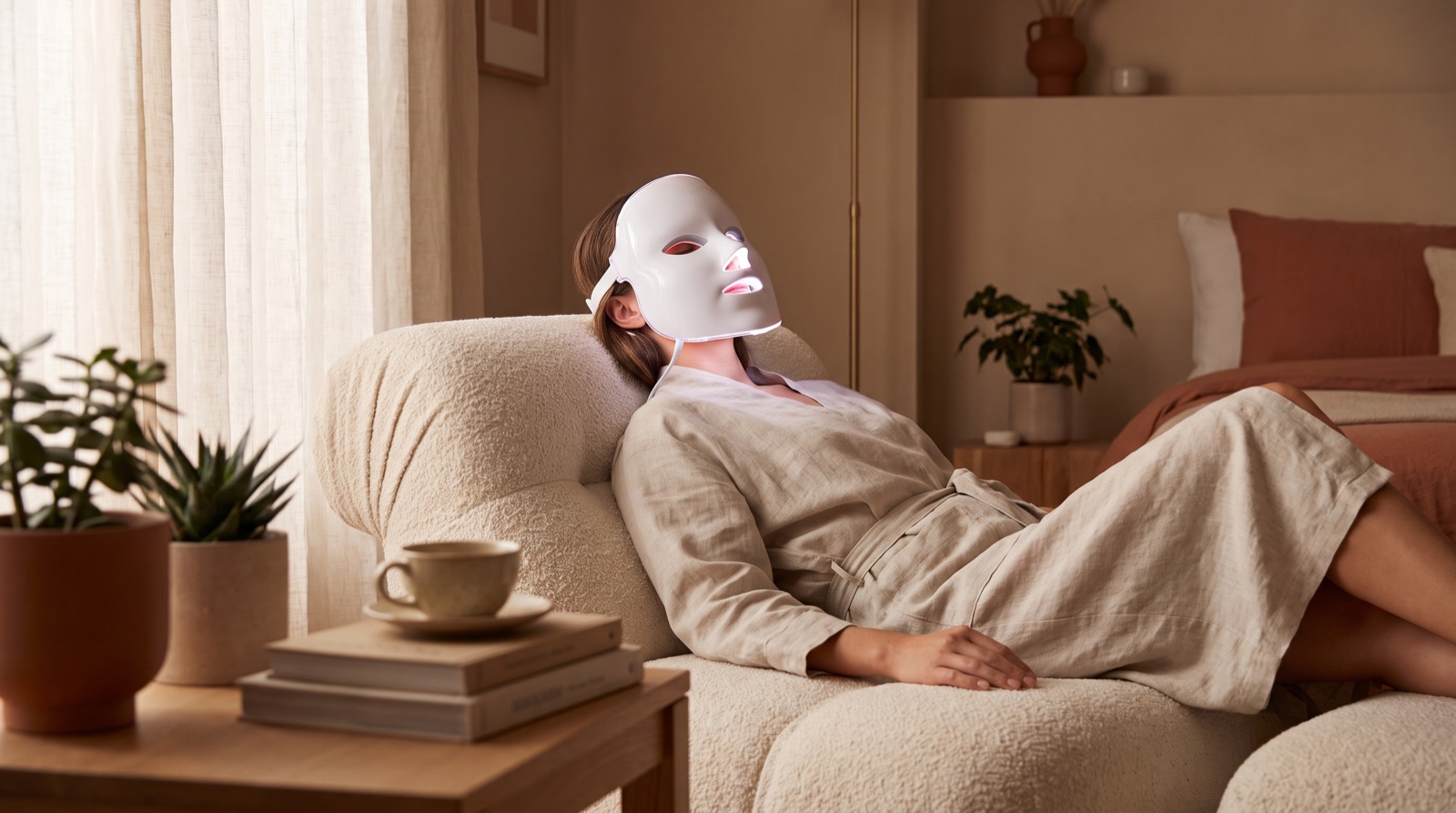
Ready to shop the picks below?
Shop the Best Sellers collection →


LED face masks have gone from clinic-only treatments to a fixture on many bathroom shelves, and the question we hear most is a simple one: do they actually do anything? The honest answer is nuanced. At-home light therapy is associated with some genuinely interesting changes in the skin, particularly around the look of firmness and blemish-prone areas, but the evidence is more modest than the marketing suggests, and results depend heavily on the device, the dose and your own consistency. Here's what's worth knowing before you invest.
How LED Light Therapy Works
LED (light-emitting diode) devices work by exposing the skin to specific wavelengths of visible light, which are absorbed by cells and are thought to influence cellular activity without generating heat or breaking the skin's surface. Unlike lasers, LED is non-ablative, which is part of why it has such a low downtime reputation.
Red Light (Around 630-660nm)
- The most widely studied wavelength for at-home use, associated with supporting the skin's own collagen-related processes
- Often linked with the look of firmness, smoother texture and a more even, radiant appearance over time
- Popular for general anti-ageing routines and as a calming, non-irritating addition for most skin types
Blue Light (Around 415nm)
- Associated with blemish-prone skin, thought to work by targeting the environment that certain bacteria thrive in
- Often combined with red light in dual-wavelength masks for a more rounded approach
- Generally considered gentle, though it's not a substitute for a dedicated blemish-focused routine
Other Wavelengths
- Near-infrared is sometimes included for deeper penetration and is associated with supporting overall skin comfort
- Green and yellow light appear in some devices, targeted more at the look of uneven tone, though evidence here is thinner
- Many masks now combine two or three wavelengths, which can make it harder to isolate what's driving any visible change
What the Evidence Does and Doesn't Show
There is a genuine, growing body of research into red and blue light therapy, much of it originating in dermatology clinics using professional-grade devices. That's an important distinction, because it shapes how we should interpret the evidence for at-home use.
What Studies Suggest
- Some clinical research links red light exposure with support for collagen-related activity and a smoother-looking complexion
- Blue light studies, largely conducted in professional settings, suggest it may help support skin that's prone to blemishes when used consistently
- Results in published research tend to build gradually over weeks of regular sessions, not overnight
Where the Evidence Falls Short
- Many studies use devices with far higher irradiance (light intensity) than consumer masks, so results don't always translate directly to home use
- Sample sizes in some trials are small, and not all research is independently replicated
- Manufacturer-funded studies are common in this category, so it's worth reading claims with a healthy degree of scepticism
At-Home vs Professional-Strength Devices
This is the crux of the "do they really work" question. The wavelength matters, but so does the dose, and dose is a function of irradiance (how strong the light is) and session length.
Why Strength Matters
- Professional in-clinic devices typically deliver significantly higher irradiance than consumer masks, often achieving in one session what a home device might take several sessions to approach
- Many at-home masks don't publish their irradiance figures, which makes it genuinely difficult to compare products or judge likely effectiveness
- A higher price tag doesn't automatically mean a stronger or better-calibrated device, so it's worth looking past packaging claims where possible
What to Look For if You're Buying
- Reputable brands that are transparent about wavelength and, ideally, irradiance or power output
- FDA clearance or CE marking as a baseline safety indicator, rather than a guarantee of dramatic results
- Realistic marketing language; if a device promises overnight transformation, treat that as a red flag
Setting Realistic Expectations
LED masks are best thought of as a supportive, low-risk addition to your routine rather than a replacement for the fundamentals. The skin responds to layered, consistent care, and light therapy tends to work best as one part of that picture rather than the whole solution.
Consistency Is Everything
- Most guidance suggests using a device several times a week over a period of weeks or months to notice any meaningful difference
- Sporadic, occasional use is unlikely to deliver visible change, whatever the device's specification
- Pairing sessions with a well-formulated routine, including SPF, antioxidants and a suitable moisturiser, gives the skin the best overall support
A Complement, Not a Replacement
- LED is not a substitute for sun protection, a good cleansing routine or targeted actives such as retinoids or vitamin C
- Think of it as sitting alongside our best-selling skincare rather than instead of it, since the two work on different levels of skin support
- If you have a specific, persistent concern, a dermatologist can advise on whether in-clinic treatment or a different approach may be more appropriate
Safety Considerations
- Always use the eye protection supplied with your device; LED masks are bright and prolonged direct exposure isn't advisable
- Those with light-sensitive conditions, certain medications (including some photosensitising prescriptions) or a history of skin cancer should check with a doctor before use
- Pregnancy isn't a strict contraindication for most LED devices, but it's sensible to consult a healthcare provider if you're unsure
- Stop use and seek advice if you notice unusual irritation, redness that doesn't settle, or discomfort during sessions
Frequently Asked Questions
Do LED face masks actually work?
There is reasonable evidence that red and blue light may support the look of firmer, more even-toned skin and blemish-prone skin respectively, particularly with consistent use. However, at-home devices are generally less powerful than professional equipment, so expect gradual, modest changes rather than dramatic results.
How often should I use an LED mask?
Most brands recommend three to five sessions a week, each lasting around ten to twenty minutes, sustained over several weeks. Occasional or one-off use is unlikely to produce a noticeable difference.
Are cheaper LED masks as effective as expensive ones?
Not necessarily either way. Price alone isn't a reliable indicator of irradiance or quality. Look for brands that share wavelength and safety certification information rather than judging purely on cost.
Can I use an LED mask with retinol or vitamin C?
Many people incorporate LED sessions into a routine that also includes actives like retinol or vitamin C, though it's sensible to introduce new steps gradually and monitor how your skin responds. If in doubt, space out active ingredients and light therapy sessions.
Is LED light therapy safe for sensitive skin?
LED is generally considered gentle and non-invasive, which is part of its appeal for sensitive skin types. That said, always patch test a new device where possible, follow the manufacturer's guidance on session length, and discontinue use if you notice any irritation.