
Homosalate
Reviewed by Daisy · Last updated 18 Aug 2026
Also known as: Homomenthyl Salicylate
A globally approved UV filter Mostly protects within the UVB range
At a glance
Things to be aware of
EWG Safety Score


What Is Homosalate?
Homosalate is an FDA-approved sunscreen active ingredient that provides primarily UVB protection, stopping where the UVA range begins. It’s internationally approved for use in sunscreens. In the U.S., it is approved for use up to a maximum concentration of 15%.
Since the UVA-protecting range of homosalate is very narrow, it’s not used alone in sunscreens, but is often used with UVA filters such as avobenzone, where it can help improve stability. It’s considered non-sensitizing and is most often seen in sunscreens rated SPF 30 and greater.
Interestingly, since homosalate is a salicylate ingredient just like salicylic acid, part of how it works to reduce signs of UV-triggered redness is from its calming benefit. Some researchers speculate that this could mean people stay out in the sun longer since they won’t see their skin turn color, but since homosalate is never used alone and the redness-producing damage it offsets is a benefit, it’s not considered a valid concern. Other studies have shown that homosalate suppresses the formation of a type of free radical known as singlet oxygen which is formed when skin is exposed to UV light.
Turning to safety, studies have shown that homosalate has low penetration into skin, is not an endocrine disruptor, and is unlikely to provoke an allergic reaction on skin. In vitro studies on breast cancer cells have shown that homosalate has cytotoxic effects; however, this does not apply to how sunscreen is used on skin, and the amounts shown to provoke this effect are much greater than what could be absorbed into the body from topical application.
Despite an impressive safety profile, this sunscreen active is one of several currently undergoing further safety and toxicology testing under the purview of the United States Food and Drug Administration (FDA). This testing is to gain a better understanding of the systemic absorption, metabolism, and elimination of these sunscreen actives when small amounts enter the body via topical use. It’s important to know that the presence of this or other sunscreen actives in the body does not mean your health is at risk. It is anticipated that the additional testing being done will reaffirm the safety of these ingredients; however, those who remain concerned can choose sunscreens with mineral actives (titanium dioxide and zinc oxide) which are not included in the FDA’s new call for additional testing.
Also known as homomenthyl salicylate, this non-sensitising organic compound is commonly found in sunscreen formulations. It works by absorbing burning UVB rays to help protect the skin from sun damage.
Benefits for Your Skin
Clinical Evidence & References
- Physical Chemistry Chemical Physics, July 2020, pages 15,509–15,519
- Frontiers in Medicine, September 2019, ePublication
- Journal of Cosmetic Dermatology, April 2019, pages 246–252
- Photochemical & Photobiological Sciences, April 2019, pages 1,556–1,564
- Journal of Clinical Aesthetic Dermatology, 2013, pages 16-26
- Journal of the American Academy of Dermatology, 2013, page 867
How widely it's used
Regulatory information
Standardised cosmetic-ingredient identifiers used by regulators.
Show identifiers
- INCI Name
- HOMOSALATE
- INN Name
- homosalate
- EC Number
- 204-260-8
- Function
- Skin Conditioning, UV Absorber, UV Filter
From the Clinic
Not sure what your skin actually needs?
Two minutes, a few questions, and we’ll point you at what matters — no guesswork.
Take the skin quizRelated Ingredients
Ethylhexyl Triazone
Synthetic UV filter that helps protect skin against UVB rays Not approved in the United States and Canada but available in other markets around the world
Fluorescent Brightener 230
A synthetic UV-absorbing agent that helps protect skin from sun damage
Green Tea Extract
The calming protector
Isoamyl P-Methoxycinnamate
A chemical UV filter that absorbs UVB radiation to help protect skin from sun damage
Menthyl Anthranilate
A chemical UV filter that absorbs UVA and UVB radiation to help protect skin from sun damage
Methoxycinnamic Acid
A cinnamic acid derivative that offers UV protection and helps stabilise formulations
Articles About Homosalate
Learn more about this ingredient with our expert guides and articles.
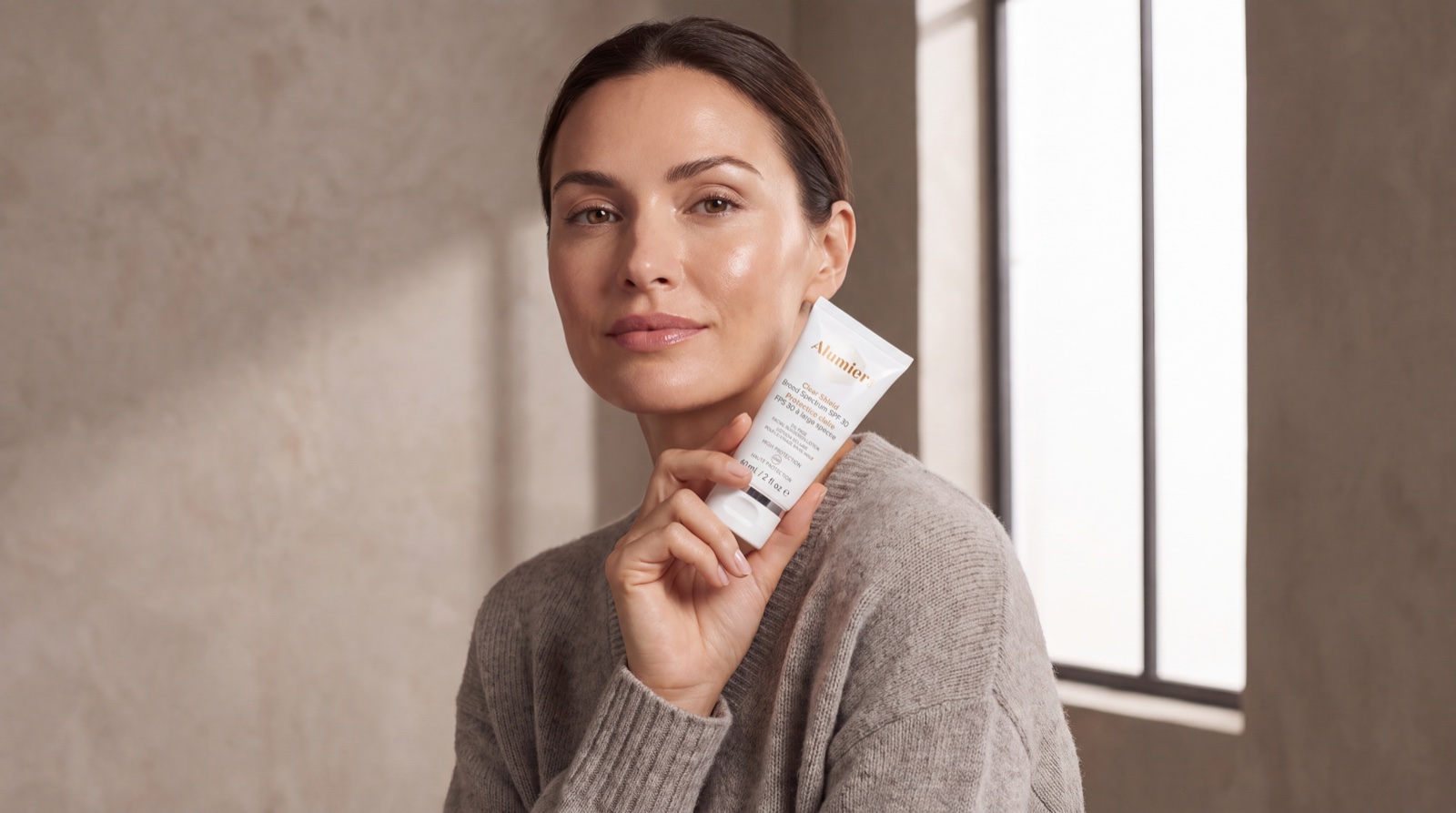
Learn More About Skincare Ingredients
Explore our comprehensive ingredient glossary to understand what's in your products.
Browse All IngredientsShop Our Products
Find professional skincare solutions at Skintique.